._Locatie_Hortus_Haren_01.jpg&width=800)





greater stitchwort
Rabelera holostea
Greater stitchwort is a lovely little flower that blooms in spring. It has star-shaped white flowers that can brighten up fields and woods, making them look magical!
Habitat: Woodlands
The greater stitchwort has bright green, slender leaves and brittle, square stems. Its distinctive white flowers have five petals, each so deeply notched they appear as ten separate petals, giving them a star-like look.
Category
PlantsRarity
Common
Danger
1/5 · Very low
Snaps
Be the first to snap!
It's called 'greater' to distinguish it from a smaller plant, the 'lesser stitchwort'!
Its brittle stems often snap with a tiny 'pop', earning it the nickname 'Popper'!
Its delicate flowers have five petals, but each is so deeply split it looks like ten!
Its scientific name 'holostea' means 'all bone' in Greek, describing its fragile stems!
Greater stitchwort can launch its seeds with explosive capsules, helping them spread far away from the parent plant.
Its square stems can lean on surrounding plants for support, allowing it to reach sunlight efficiently.
This plant is one of the first to flower in spring, attracting vital early pollinators to its nectar.
Apis mellifera
visits flowers for nectar and pollen
Bombus terrestris
an important early spring visitor
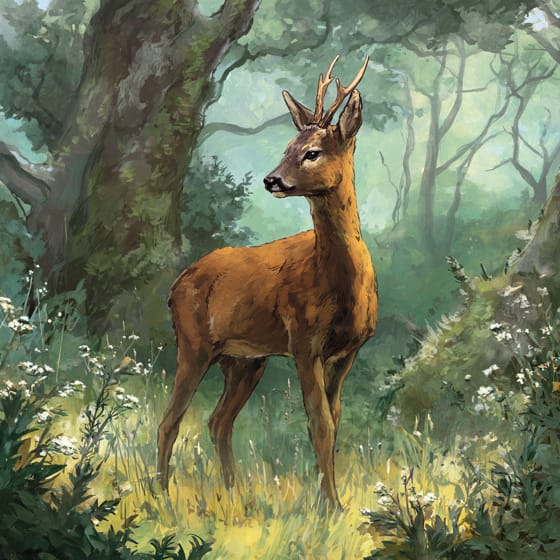
Capreolus capreolus
young shoots are often browsed by deer

Helix aspersa
snails occasionally feed on its leaves
Flowering plants are any plants that produce flowers as part of their reproductive cycle.
Spring blooming plants produce their flowers during the spring season, often signifying the end of winter and the start of new growth.
Edible plants are those parts of a plant that are considered safe for human consumption.
Describes plants that are particularly attractive and beneficial to a wide range of pollinating organisms.

Forest habitats are terrestrial environments dominated by dense tree cover, supporting a high diversity of plant and animal life.
No aliases listed yet.
Danger
1/5 · Very low
Always look but don't pick flowers, so they can keep growing for everyone to enjoy.
The easiest way to identify greater stitchwort is to use the Snappit nature identifier app.
30-60 cm
2-3 cm
Spring_early_summer
Yes
None
Perennial
Insect
Zoom in to split clusters and explore where this object has been snapped.
Recent snaps will appear here as new observations are added.
Take the discovery with you
Snap it with Snappit to identify it, learn what makes it special, and add the discovery to your collection.







.jpg&width=800)



_001.jpg&width=800)



