





Flat-stem Spikerush
Eleocharis compressa
The Flat-stem Spikerush is a tall, grass-like plant that grows in wet areas. It has flat stems and tiny flowers that can be seen in the summer, making it a special part of its habitat.
Habitat: Wetlands
The Flat-stem Spikerush has bright green, distinctly flattened stems that grow in dense, upright clumps. Its tiny, inconspicuous flowers are packed into a single, brown, spiky cluster at the very tip of each stem, making it look almost like a miniature club.
Category
PlantsRarity
Common
Danger
1/5 · Very low
Snaps
Be the first to snap!
Animals like muskrats snack on its hidden underground parts!
Its stems are so flat, they feel like tiny ribbons between your fingers!
Spikerushes are part of the sedge family, not true grasses!
This plant helps filter water in its marshy homes!
Flat-stem Spikerush can thrive in waterlogged soil and shallow water, thanks to roots that tolerate low oxygen.
Flat-stem Spikerush has underground stems called rhizomes that help it spread and form new plants, creating dense mats.
Flat-stem Spikerush performs most of its photosynthesis in its unique flat stems, capturing sunlight efficiently.
Anas platyrhynchos
consumes its seeds
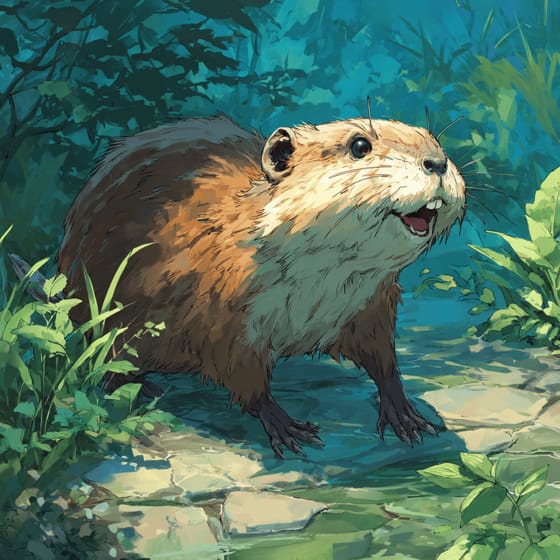
Ondatra zibethicus
feeds on its underground rhizomes
Rana pipiens
hides among its dense stems
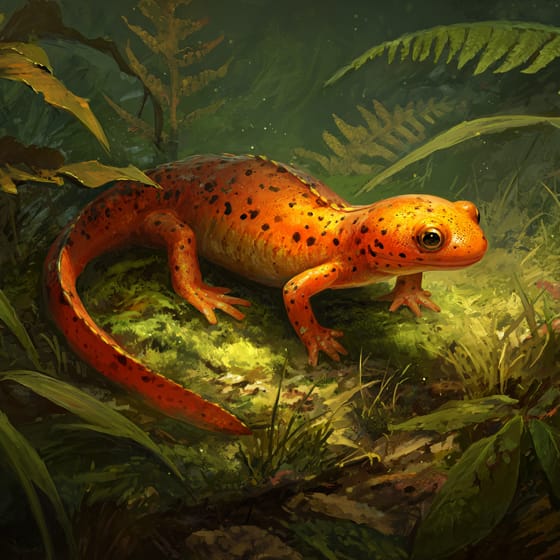
Notophthalmus viridescens
uses its thick stands for cover
Flowering plants are any plants that produce flowers as part of their reproductive cycle.
Grass-like plants are herbaceous plants that visually resemble true grasses, typically having long, narrow leaves.
Summer blooming plants produce their flowers during the summer season, often providing vibrant color when many other plants have finished.
Describes plants that are particularly attractive and beneficial to a wide range of pollinating organisms.

This habitat trait identifies species found in wetlands, which are areas of land saturated with water, either permanently or seasonally, including marshes, swamps, and bogs.

Freshwater habitats include non-saline aquatic environments such as rivers, lakes, ponds, and wetlands, vital for numerous species.

Aquatic habitats encompass environments where organisms live predominantly in water, including oceans, rivers, lakes, and wetlands.
No aliases listed yet.
Danger
1/5 · Very low
Always stay on paths when exploring wetlands to protect plants and animals.
The easiest way to identify Flat-stem Spikerush is to use the Snappit nature identifier app.
10-60 cm
15-30 cm
0.3-1 cm
Summer
Yes
None
Perennial
Zoom in to split clusters and explore where this object has been snapped.
Recent snaps will appear here as new observations are added.
Take the discovery with you
Snap it with Snappit to identify it, learn what makes it special, and add the discovery to your collection.








.jpg&width=800)



_001.jpg&width=800)




