.jpg&width=800)





Loquat
Eriobotrya japonica
Loquats are sweet, yellow fruits that grow on trees. They are juicy and tasty, making them a fun snack for kids and animals alike!
Habitat: Urban areas
The Loquat has large, leathery, dark green leaves with fuzzy, white undersides and prominent veins. Its small, fragrant white flowers bloom in clusters, followed by fuzzy, yellow-orange, pear-shaped fruits that hang in abundance.
Category
PlantsRarity
Common
Danger
1/5 · Very low
Snaps
10
Despite its nickname "Japanese plum," the loquat is actually related to roses and apples!
Even its big, shiny leaves can be brewed into a special, healthful tea!
Loquats are a rare fruit that ripens in winter, a sweet treat when most trees are bare!
The word "loquat" comes from Chinese, meaning "reed orange" because of its shape!
Loquat can provide sweet fruits in late winter/early spring, offering food when other fruit trees are bare.
Loquat has fuzzy leaf undersides that help protect it from cold weather and reduce water loss.
Loquat can thrive in a variety of climates, even tolerating mild frosts, helping it grow far and wide.
Apis mellifera
Essential for fruit production.
Homo sapiens
Cultivated for its sweet, tangy fruits.
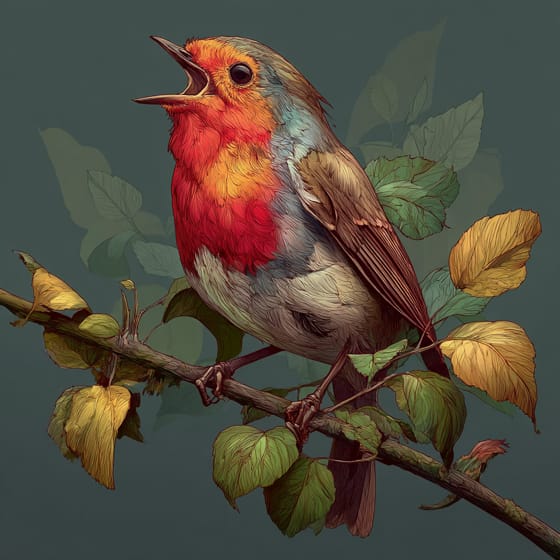
Turdus migratorius
Birds, like robins, enjoy the ripe fruits.
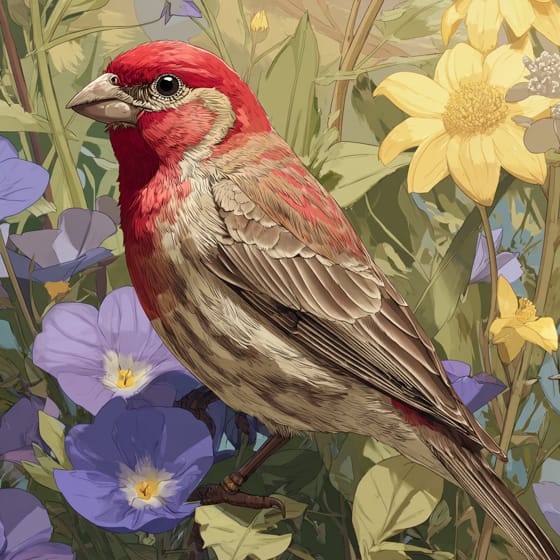
Carpodacus mexicanus
Finches also feed on the soft, ripe loquat fruits.
Deciduous plants periodically shed all their leaves, typically during autumn or dry seasons.
Flowering plants are any plants that produce flowers as part of their reproductive cycle.
Shade tolerant plants are adapted to grow and thrive in areas with low light levels, requiring less direct sunlight.
Broadleaf trees are angiosperms characterized by flat, wide leaves that are typically shed annually in temperate climates.

Evergreen plants retain their foliage throughout the year, never shedding all their leaves at once.

Fruit-bearing plants produce fruits, which are the mature ovaries of flowering plants containing seeds.

A fruit tree is a perennial tree that produces fruit, which is edible to humans or animals.

Edible plants are those parts of a plant that are considered safe for human consumption.

This habitat trait indicates species that can coexist with humans in urban and suburban environments, utilizing man-made structures and green spaces.
Danger
1/5 · Very low
Always wash fruits before eating them to keep them clean and safe!
The easiest way to identify Loquat is to use the Snappit nature identifier app.
500-1000 cm
300-600 cm
1-2 cm
Fall-winter
Yes
Mild
Perennial
Zoom in to split clusters and explore where this object has been snapped.

US
You might spot Pond Slider, Black-Bellied Whistling-Duck, and Brown Anole.
View guide →

South Carolina, US
You might spot Gulf Fritillary, Poey's Furrow Bee, and Anole.
View guide →

Georgia, US
You might spot American Beautyberry, Muscadine, and Virginia Creeper.
View guide →
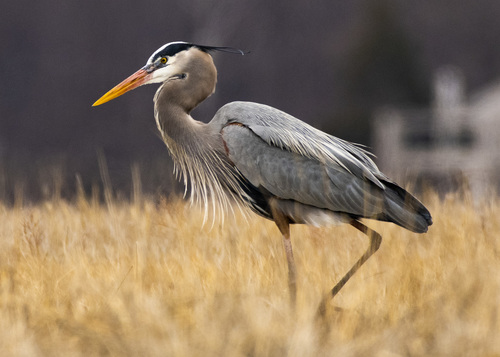
Georgia, US
You might spot Great Blue Heron and Double-Crested Cormorant.
View guide →

South Carolina, US
You might spot Anhinga, Anole, and American Alligator.
View guide →

Georgia, US
You might spot Gulf Fritillary, Muscovy Duck, and Canada Goose.
View guide →
Take the discovery with you
Snap it with Snappit to identify it, learn what makes it special, and add the discovery to your collection.







.jpg&width=800)


_001.jpg&width=800)

