





Green Arrow Arum
Peltandra virginica
The Green Arrow Arum is a cool plant that grows in wet places like swamps. It has big green leaves and a unique flower that looks like a green arrow!
Habitat: Wetlands
The Green Arrow Arum has striking, large, dark green leaves shaped like an arrowhead, rising from shallow water. Its unique flower features a slender, greenish-yellow finger-like spadix, partially enclosed by a boat-shaped, pale green spathe.
Category
PlantsRarity
Common
Danger
2/5 · Low
Snaps
8
Even after its leaves die back, its roots keep growing under the water!
Its flower smells a bit like rotting meat to attract hungry flies!
Its fruit ripens into a cluster of bright green, buoyant berries!
The unique arrowhead leaves can grow up to two feet long!
Green Arrow Arum has tiny, sharp crystals in its cells that make it taste bad, helping it defend against hungry animals.
Green Arrow Arum can release its seeds which float like little rafts, allowing them to travel and sprout in new wet spots.
Green Arrow Arum has special roots that can live completely submerged in water year-round, even through winter.
The Green Arrow Arum's flower can generate its own heat to attract tiny insects, making it easier to get pollinated!
Anas platyrhynchos
its nutritious green seeds
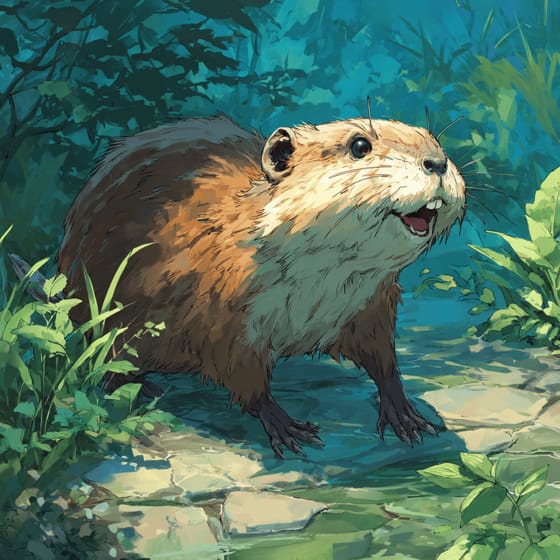
Ondatra zibethicus
its starchy rhizomes in winter
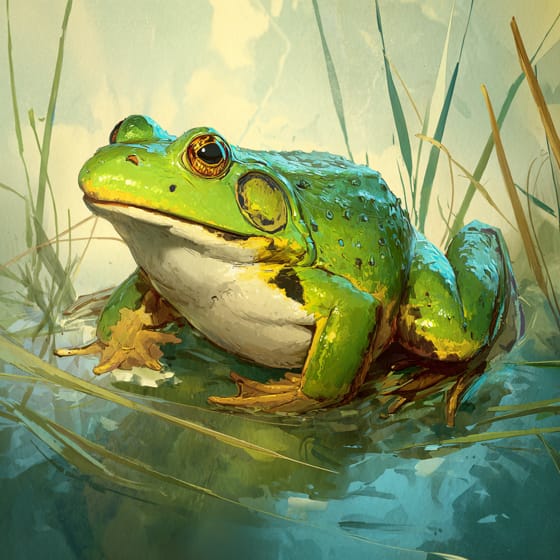
Lithobates clamitans
among its large, shady leaves

Eristalis tenax
attracted by its unique flower scent
Ornamental plants are cultivated primarily for their aesthetic appeal, enhancing landscapes and gardens with their attractive foliage, flowers, or form.
Shade tolerant plants are adapted to grow and thrive in areas with low light levels, requiring less direct sunlight.
Broadleaf trees are angiosperms characterized by flat, wide leaves that are typically shed annually in temperate climates.
This habitat trait identifies species found in wetlands, which are areas of land saturated with water, either permanently or seasonally, including marshes, swamps, and bogs.
No aliases listed yet.
Danger
2/5 · Low
Don't touch or eat unknown plants. Always ask an adult if you're curious!
The easiest way to identify Green Arrow Arum is to use the Snappit nature identifier app.
30-100 cm
30-60 cm
15-25 cm
Late spring to mid-summer
No
High
Perennial
Zoom in to split clusters and explore where this object has been snapped.

New York, US
You might spot American White Waterlily, Buttonbush, and Common Milkweed.
View guide →

New Jersey, US
You might spot Duck, Canada Goose, and Red-Winged Blackbird.
View guide →

Massachusetts, US
You might spot Painted Turtle and Eastern White Pine.
View guide →

New York, US
You might spot Sand Tiger Shark, African Penguin, and Sea Lion.
View guide →

Massachusetts, US
You might spot Common Eastern Bumble Bee, Bee, and Duck.
View guide →

Alabama, US
You might spot Red Buckeye, Gray Ratsnake, and Sycamore Tussock Moth.
View guide →
Take the discovery with you
Snap it with Snappit to identify it, learn what makes it special, and add the discovery to your collection.









.jpg&width=800)


_001.jpg&width=800)



