




grey alder
Alnus incana
The grey alder is a tall tree with smooth, grey bark and lovely green leaves. It grows near water and helps keep the soil healthy. This tree is great for animals and birds looking for a home!
Habitat: Wetlands
The grey alder is a slender, fast-growing tree with smooth, greyish bark that darkens with age. Its oval leaves are finely toothed and dull green. In late winter, it features long, pendulous male catkins and small, cone-like female catkins.
Category
PlantsRarity
Common
Danger
1/5 · Very low
Snaps
2
Even its tiny, cone-like fruits stay on the branches through winter like ornaments!
Grey alders can grow where few other trees can, like next to cold mountain streams!
Its smooth, pale wood is so light, people once used it for wooden clogs!
People used to make a reddish-brown dye for cloth from its bark!
Grey alder can enrich poor soil because its roots partner with tiny bacteria to make nitrogen fertilizer!
Grey alder can be a forest 'first responder,' growing quickly in disturbed areas like riverbanks or clearings!
Grey alder has special roots that allow it to thrive even in very wet or waterlogged soils!
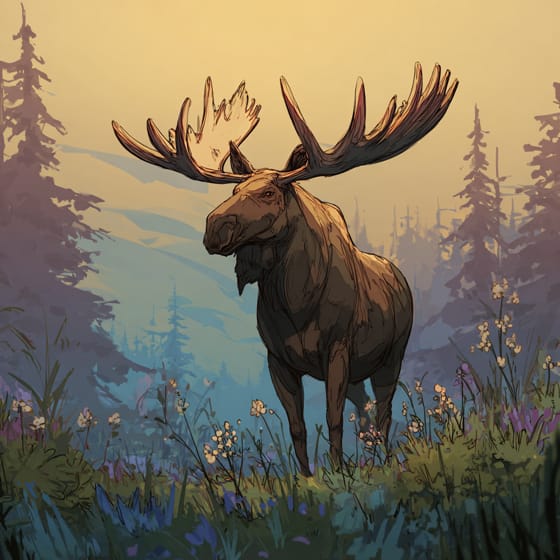
Alces alces
browses its twigs and leaves

Odocoileus virginianus
forages on its new shoots
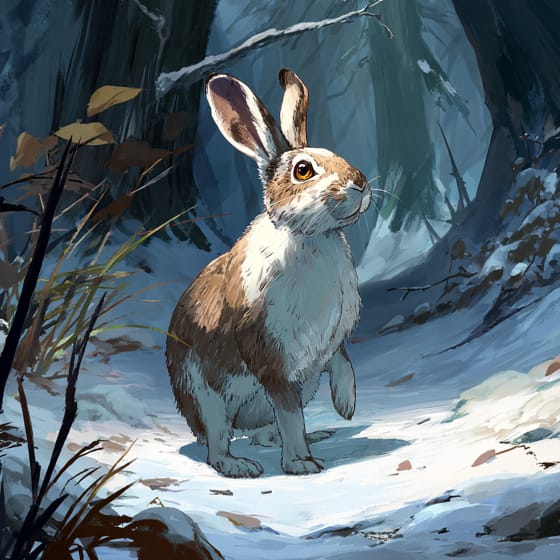
Lepus americanus
nibbles on its bark and twigs
Acanthis flammea
feeds on its seeds and buds
Deciduous plants periodically shed all their leaves, typically during autumn or dry seasons.
Flowering plants are any plants that produce flowers as part of their reproductive cycle.
Describes organisms capable of converting atmospheric nitrogen into compounds usable by plants.
Broadleaf trees are angiosperms characterized by flat, wide leaves that are typically shed annually in temperate climates.

Describes plants that are particularly attractive and beneficial to a wide range of pollinating organisms.

Rapid growing plants exhibit accelerated growth rates, quickly increasing in size and biomass within a short period.

Timber refers to wood that has been prepared for use in building and carpentry.

This trait characterizes organisms with an exceptionally long lifespan compared to others of their kind.

This habitat trait identifies species found in wetlands, which are areas of land saturated with water, either permanently or seasonally, including marshes, swamps, and bogs.

Describes a species whose presence and role have a disproportionately large effect on its environment.
No aliases listed yet.
Danger
1/5 · Very low
Always stay on paths when exploring near trees and watch for falling branches.
The easiest way to identify grey alder is to use the Snappit nature identifier app.
1000-2000 cm
500-1000 cm
1-10 cm
Late_winter-early_spring
No
None
Perennial
Zoom in to split clusters and explore where this object has been snapped.

New York, US
You might spot American White Waterlily, Buttonbush, and Common Milkweed.
View guide →

Montana, US
You might spot Brown Bear, Gray Wolf, and Woodland Pinedrops.
View guide →

Pennsylvania, US
You might spot Grey Alder, Sensitive Fern, and Interrupted Clubmoss.
View guide →
Take the discovery with you
Snap it with Snappit to identify it, learn what makes it special, and add the discovery to your collection.







.jpg&width=800)


_001.jpg&width=800)



