





plums, cherries, and allies
Prunus
Plums and cherries are delicious fruits that grow on trees. They come in many colors, like red, purple, and yellow, and are sweet and juicy, perfect for snacks!
Habitat: Forests
The plums, cherries, and allies are typically trees or shrubs with smooth bark, often exfoliating in strips. They have simple, serrated leaves and produce beautiful white or pink five-petaled flowers, usually in clusters. Their distinct fruits are fleshy drupes, appearing in vibrant reds, purples, yellows, or oranges.
Category
PlantsRarity
Common
Danger
1/5 · Very low
Snaps
Be the first to snap!
Ancient Romans cultivated cherries and plums, spreading them across their empire!
Cherry wood is highly prized for making beautiful furniture and musical instruments.
Many cherry and plum pits contain a small amount of a cyanide compound.
The Prunus genus includes over 400 different kinds of trees and shrubs worldwide!
Plums, cherries, and allies produce delicious, sugary fruits that attract animals to eat them, spreading seeds far and wide.
Plums, cherries, and allies have leaves and seeds containing cyanide compounds, protecting them from hungry herbivores.
Plums, cherries, and allies often bloom very early in spring, giving them a head start on pollination before other plants.
Apis mellifera
Collects nectar and pollen, aiding reproduction.
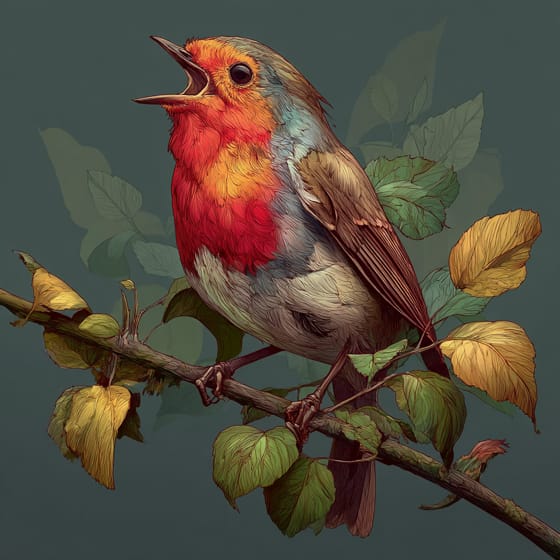
Turdus migratorius
Feasts on ripe cherries, helping disperse seeds.
Rhagoletis indifferens
Larvae develop inside cherry fruits.
Ursus americanus
Enjoys sweet plums and cherries in season.
Deciduous plants periodically shed all their leaves, typically during autumn or dry seasons.
Flowering plants are any plants that produce flowers as part of their reproductive cycle.
Spring blooming plants produce their flowers during the spring season, often signifying the end of winter and the start of new growth.
Fruit-bearing plants produce fruits, which are the mature ovaries of flowering plants containing seeds.

Medicinal plants possess chemical compounds that can be used for therapeutic purposes to treat illnesses or maintain health.
A fruit tree is a perennial tree that produces fruit, which is edible to humans or animals.

Edible plants are those parts of a plant that are considered safe for human consumption.

Forest habitats are terrestrial environments dominated by dense tree cover, supporting a high diversity of plant and animal life.
Danger
1/5 · Very low
Always wash fruits before eating them to keep them clean and safe.
The easiest way to identify plums, cherries, and allies is to use the Snappit nature identifier app.
100-1500 cm
50-1000 cm
1-3 cm
Spring
Yes
Mild
Perennial
Zoom in to split clusters and explore where this object has been snapped.
Recent snaps will appear here as new observations are added.
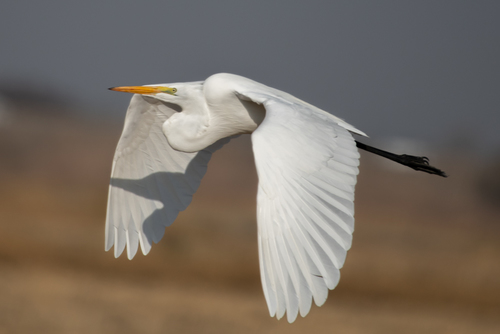
New Jersey, US
You might spot Great Egret, Eastern White Pine, and Haircap Mosses.
View guide →
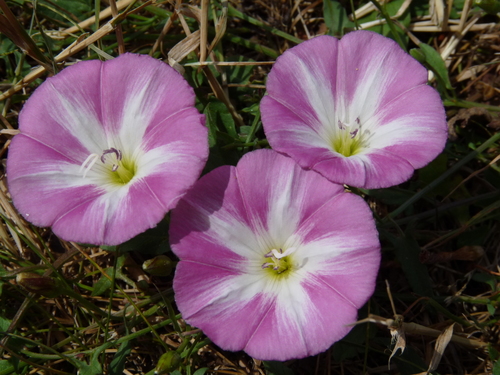
California, US
You might spot Field Bindweed, White Clover, and Lesser Goldfinch.
View guide →
Oregon, US
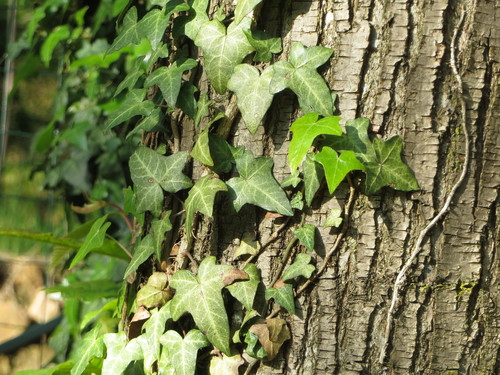
You might spot Ivy, Plums, Cherries, and Allies, and Tree-Of-Heaven.
View guide →
Take the discovery with you
Snap it with Snappit to identify it, learn what makes it special, and add the discovery to your collection.






.jpg&width=800)



_001.jpg&width=800)



