





Pacific Sanicle
Sanicula crassicaulis
The Pacific Sanicle is a lovely plant with round leaves and tiny white flowers. It grows in shady places and is a special part of the forest ecosystem.
Habitat: Forests
The Pacific Sanicle has distinctive, deeply lobed green leaves that resemble small palm trees or umbrellas, growing from its base. Its tiny, yellowish-green flowers are clustered in small, rounded groups atop slender stalks, making it subtly stand out in its forest habitat.
Category
PlantsRarity
Common
Danger
1/5 · Very low
Snaps
2
Its fruits have tiny hooks that make them incredibly sticky, like nature's Velcro!
Its scientific name, Sanicula, comes from a Latin word meaning "to heal"!
The tiny, yellowish-green flowers are so small, you might need to look closely!
Though it belongs to the carrot family, its roots are not for eating!
Pacific Sanicle's small, burr-like fruits can cling to animals or clothing, helping its seeds journey to new places.
Pacific Sanicle thrives in the dim light of forest floors, efficiently using the filtered sunlight to grow.
Pacific Sanicle has strong taproots that help it access water deep in the soil and withstand environmental changes.
Syrphus ribesii
Visits its tiny flowers for nectar and pollen.
Apis mellifera
Gathers pollen and nectar from its small flower clusters.
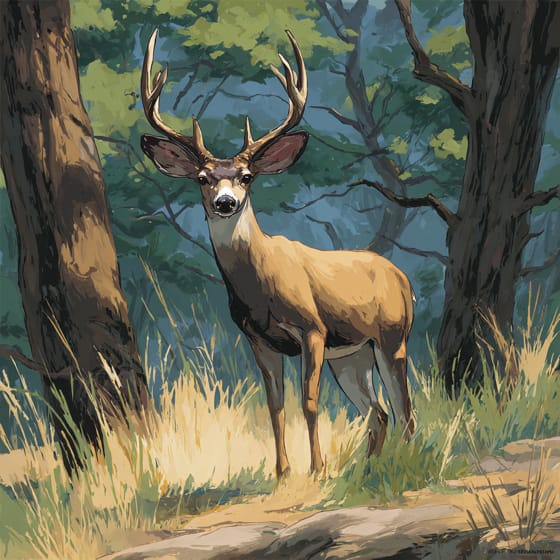
Odocoileus hemionus
Browses on its leaves and tender stems in its habitat.
Deciduous plants periodically shed all their leaves, typically during autumn or dry seasons.
Flowering plants are any plants that produce flowers as part of their reproductive cycle.
Shade tolerant plants are adapted to grow and thrive in areas with low light levels, requiring less direct sunlight.
Fragrant flowers emit a pleasant aroma, often to attract pollinators or for defense.

Medicinal plants possess chemical compounds that can be used for therapeutic purposes to treat illnesses or maintain health.

Edible plants are those parts of a plant that are considered safe for human consumption.

Describes plants that are particularly attractive and beneficial to a wide range of pollinating organisms.

Forest habitats are terrestrial environments dominated by dense tree cover, supporting a high diversity of plant and animal life.
No aliases listed yet.
Danger
1/5 · Very low
Always look but don't touch plants unless you know they are safe.
The easiest way to identify Pacific Sanicle is to use the Snappit nature identifier app.
30-100 cm
0.1-0.3 cm
Spring to early Summer
No
None
Perennial
Insect
Zoom in to split clusters and explore where this object has been snapped.

California, US
You might spot Sequoia, California Incense-Cedar, and White Fir.
View guide →
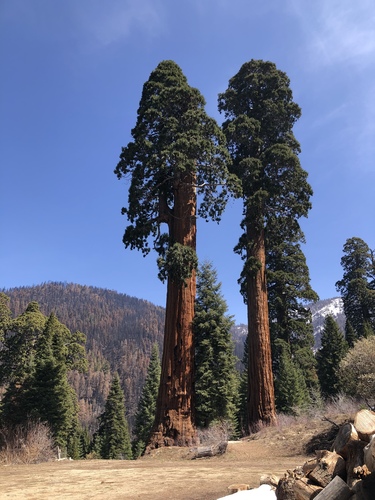
California, US
You might spot Sequoia, Mountain Misery, and Mule Deer.
View guide →

Oregon, US
You might spot Great Camas, Columbian Larkspur, and Osoberry.
View guide →

British Columbia, CA
You might spot Broad-Leaved Stonecrop, Harbor Seal, and Ochre Sea Star.
View guide →

British Columbia, CA
You might spot Broad-Leaved Stonecrop, Salal, and Pacific Sanicle.
View guide →

British Columbia, CA
You might spot Canada Goose, Oregon Oak, and Barn Swallow.
View guide →
Take the discovery with you
Snap it with Snappit to identify it, learn what makes it special, and add the discovery to your collection.






.jpg&width=800)


_001.jpg&width=800)


