





Grey-Banded Kingsnake
lampropeltis alterna
The Grey-Banded Kingsnake is a beautiful snake with striking gray and black bands. It loves to explore its surroundings and is a great friend to have in your backyard!
Habitat: Rocky and mountainous areas, often in dry regions.
The Grey-Banded Kingsnake has a slender body with striking patterns of grey or tan scales, boldly marked by distinct, darker bands, often reddish-orange, outlined in black. Its head is usually dark with lighter markings, blending seamlessly with its body.
Category
ReptilesRarity
Common
Danger
1/5 · Very low
Snaps
Be the first to snap!
They are amazing climbers, often scaling rocky cliffs to find warm basking spots!
This snake's scientific name, 'alterna', refers to its alternating colorful band patterns!
Threatened? They'll shake their tail like a rattlesnake, but they're not venomous!
Young kingsnakes eat small lizards; adults prefer rodents and other snakes.
Grey-Banded Kingsnake can squeeze its prey tightly using powerful constriction, making it easier to eat.
Grey-Banded Kingsnake has natural resistance to some snake venoms, allowing them to eat other snakes.
Grey-Banded Kingsnake has banded patterns that help them blend perfectly with rocky desert environments.
A stealthy hunter, it dines on rodents, lizards, and even other snakes it catches!
Age differences: Young snakes eat smaller lizards and insects, while adults prey on rodents and other snakes.
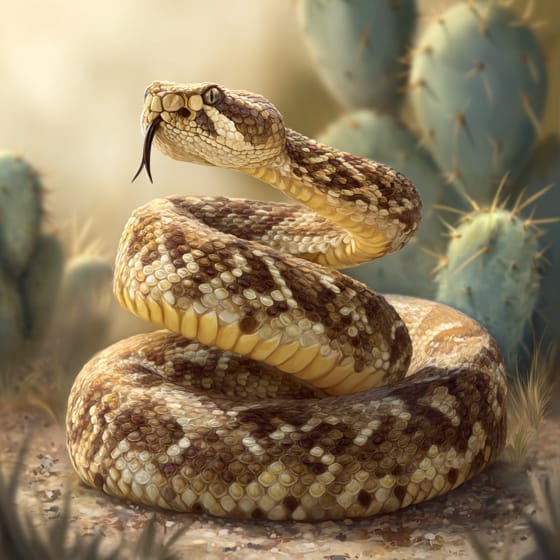
Crotalus atrox
Preys on this venomous rattlesnake species.
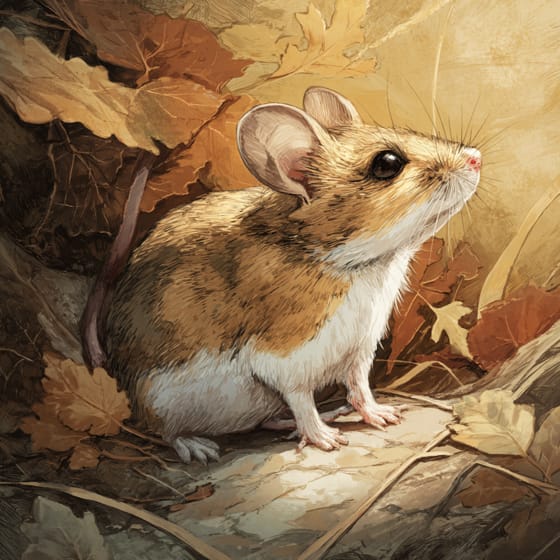
Peromyscus maniculatus
A common prey item in its natural habitat.
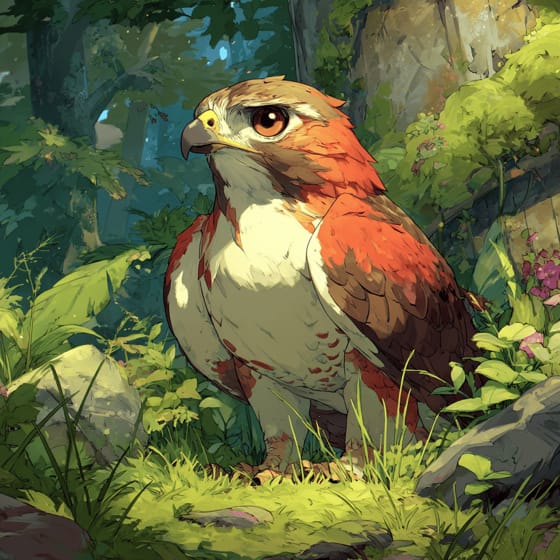
Buteo jamaicensis
Young snakes can be prey for these birds.
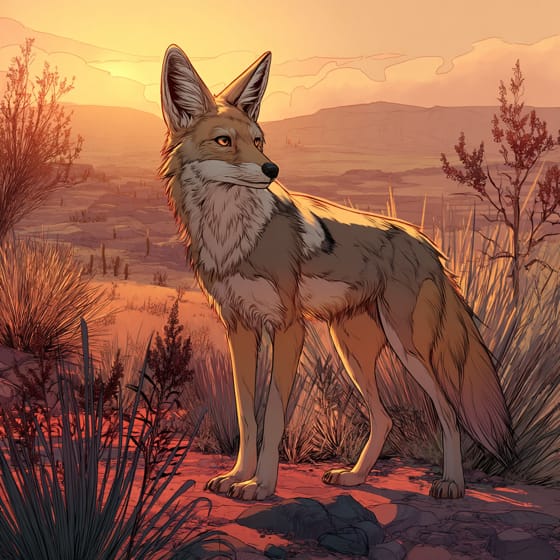
Canis latrans
An opportunistic predator of various snakes.
Solitary animals live alone for most of their lives, only interacting with others for mating or parental care.
Colorful describes organisms or objects displaying a wide range of bright and distinct colors.
This trait identifies organisms whose diet consists entirely or primarily of animal tissue.
Nocturnal animals are primarily active during the nighttime hours, typically resting or sleeping during the day.
Danger
1/5 · Very low
Always observe snakes from a distance and never attempt to touch them.
The easiest way to identify Grey-Banded Kingsnake is to use the Snappit nature identifier app.
60-100 cm
0.2-0.5 kg
10-20 years
2 km/h
A stealthy hunter, it dines on rodents, lizards, and even other snakes it catches!
Rocky and mountainous areas, often in dry regions.
Ambush
Zoom in to split clusters and explore where this object has been snapped.
Recent snaps will appear here as new observations are added.
Take the discovery with you
Snap it with Snappit to identify it, learn what makes it special, and add the discovery to your collection.















