.jpg&width=800)





grey-headed coneflower
Ratibida pinnata
The grey-headed coneflower is a bright yellow flower with a tall, spiky center. It loves to grow in sunny places and can be found in fields and meadows, making them look cheerful and colorful.
Habitat: Grasslands
The grey-headed coneflower has slender, drooping bright yellow petals that surround a prominent, greyish-brown, egg-shaped central cone. Its tall, upright stems display finely divided, dark green leaves, making it stand out in fields.
Category
PlantsRarity
Common
Danger
1/5 · Very low
Snaps
15
After flowering, the tall stiff stems often stay standing through winter, feeding birds.
Its unusual grey cone smells like anise or black licorice when crushed!
Native Americans brewed its roots to soothe toothaches and fevers.
The seeds are a favorite snack for small birds like finches and sparrows!
Coneflower can grow deep taproots that help it survive long periods without water, even in dry prairies.
Its many seeds are easily dispersed by wind and small birds, helping the plant spread naturally across landscapes.
Coneflower leaves and roots contain compounds historically used by indigenous people for soothing medicinal teas.
The bright petals and prominent cone act like a landing strip, guiding buzzing insect pollinators to its nectar.
Apis mellifera
Collects nectar and pollen.
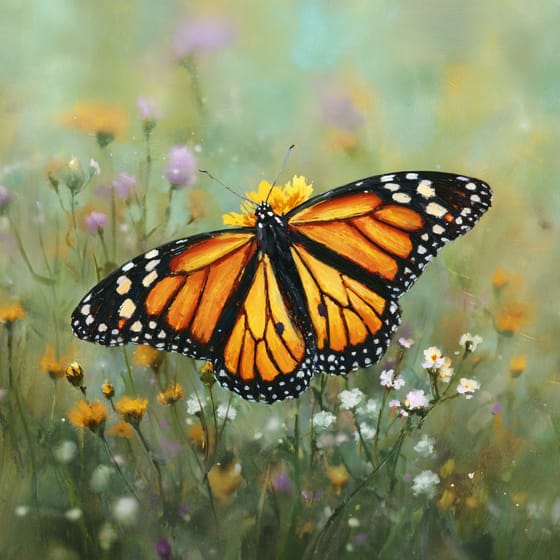
Danaus plexippus
Feeds on nectar during migration.
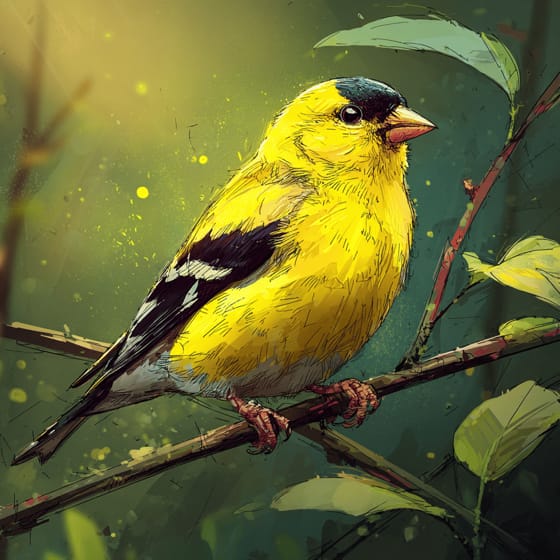
Carduelis tristis
Relishes its nutritious seeds.

Bison bison
Grazed on its foliage in prairies.
Flowering plants are any plants that produce flowers as part of their reproductive cycle.
Summer blooming plants produce their flowers during the summer season, often providing vibrant color when many other plants have finished.
Fragrant flowers emit a pleasant aroma, often to attract pollinators or for defense.
Colorful describes organisms or objects displaying a wide range of bright and distinct colors.

Grassland habitats are terrestrial biomes dominated by grasses and herbaceous plants, supporting a variety of grazing animals.

Describes plants that are particularly attractive and beneficial to a wide range of pollinating organisms.
Danger
1/5 · Very low
Always look but don't touch flowers without asking an adult.
The easiest way to identify grey-headed coneflower is to use the Snappit nature identifier app.
90-150 cm
30-60 cm
2-7 cm
Summer to Fall (July-September)
Yes
None
Perennial
Zoom in to split clusters and explore where this object has been snapped.
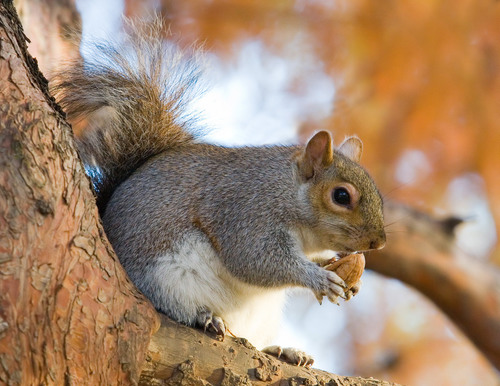
Georgia, US
You might spot Eastern Gray Squirrel, Domestic Cat, and American Robin.
View guide →

Kansas, US
You might spot American Robin, Monarch, and Italian Wall Lizard.
View guide →

Ohio, US
You might spot Brown-Belted Bumble Bee and Eastern Carpenter Bee.
View guide →

Tennessee, US
You might spot American Robin and Eastern Gray Squirrel.
View guide →

Ohio, US
You might spot Spotted Lanternfly, Virginia Springbeauty, and Blue Phlox.
View guide →

Missouri, US
You might spot Painted-Cup Paintbrush and Great Spangled Fritillary.
View guide →
Take the discovery with you
Snap it with Snappit to identify it, learn what makes it special, and add the discovery to your collection.








.jpg&width=800)


_001.jpg&width=800)




