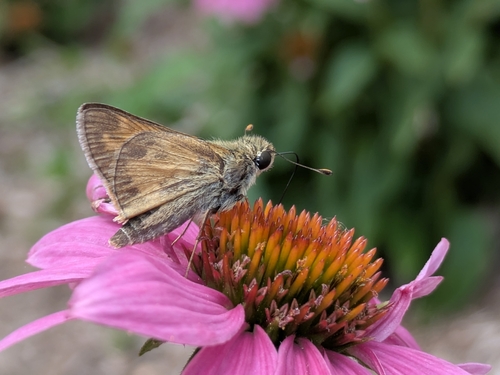
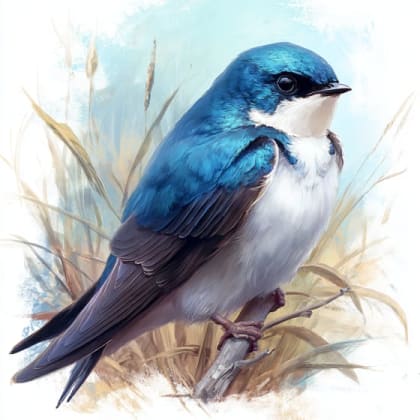
American Robin

Haskell-Baker Wetlands is a cherished National Natural Landmark, encompassing 927 acres of diverse habitats in Kansas.
Haskell-Baker Wetlands is a cherished National Natural Landmark, encompassing 927 acres of diverse habitats in Kansas. This artificially sustained wetland, intimately connected to the Wakarusa River, stands as one of the most ecologically rich environments in the state, offering a critical refuge for countless species. It's a place where ecological preservation meets profound historical significance, providing both scientific value and a deep connection to indigenous heritage.
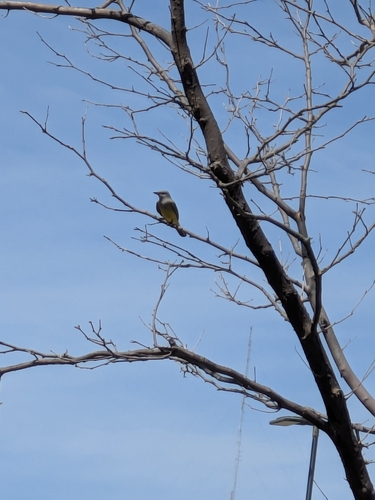
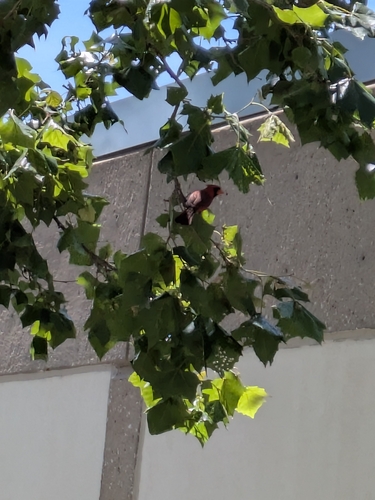
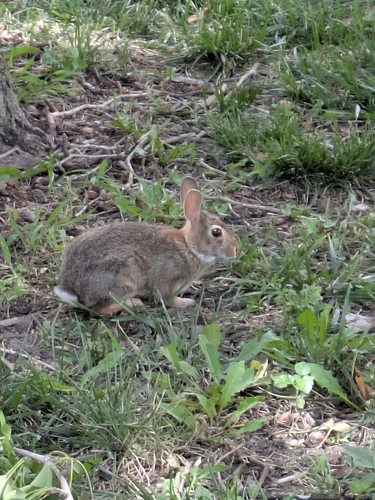
The wetlands feature over 11 miles of trails, including accessible boardwalks that wind through wet meadows, expansive prairies, dense shrubland, open water marshes, and tranquil woodlands. As a vital stop on the Central Flyway, it's a paradise for birdwatchers, boasting an impressive 275-288 documented bird species, from majestic herons and various waterfowl to migratory songbirds and even bald eagles, especially vibrant during spring and fall migrations. Beyond avian life, the area teems with 413-492 plant species and 61-98 other vertebrate species, including white-tailed deer, red-eared sliders, and an array of amphibians, all contributing to its vibrant ecosystem. The onsite Discovery Center further enhances the experience with educational exhibits and insights into this remarkable environment.
Visiting Haskell-Baker Wetlands offers a memorable journey into natural beauty and cultural reflection. Guests can witness spectacular sunrises painting the sky, observe wildlife in their natural settings, and immerse themselves in the quiet contemplation offered by the Medicine Wheel, a testament to the land's spiritual significance for Native American communities. The ongoing restoration efforts highlight a commitment to ecological stewardship, making the wetlands a dynamic and inspiring destination for anyone seeking connection with nature and a deeper understanding of the region's heritage. Be ready to snap and learn! Get the Snappit app to identify any nature species you find here.
and cultural heritage enthusiasts
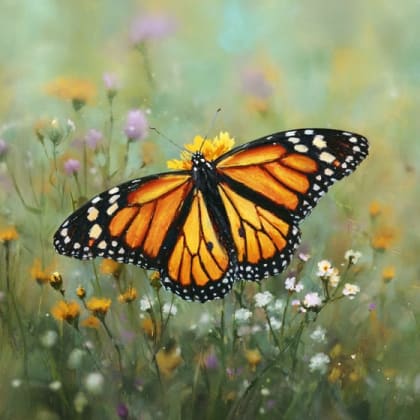
Engage in birdwatching (look for Great Blue Herons, Bald Eagles, and various waterfowl) and wildlife photography. Hike or bike along the extensive trail system, including scenic boardwalks over the water. Enjoy the beauty of native wildflowers in bloom and keep an eye out for white-tailed deer, red-eared sliders, and monarch butterflies.
Spring: Witness peak bird migration with abundant waterfowl and songbirds. Wildflowers begin to bloom.
Summer: Lush vegetation, thriving wildflowers attracting butterflies and dragonflies.
Fall: Continued bird migration, changing foliage colors, and cooler temperatures for hiking.
Winter: Unique opportunities for spotting winter bird residents and tracking animal signs in potential snow.
The wetlands offer paved trails and boardwalks, providing accessible routes for visitors, including those using wheelchairs or motorized mobility devices. The Lawrence Loop, a paved multi-use trail, connects to the wetlands, offering further accessible options.
The Baker University Wetlands Discovery Center features educational exhibits on the wetlands' history, wildlife, and plant species, and offers "Animal Ambassadors." The Medicine Wheel, a culturally significant site, is also a key highlight.
Each card links to a full Explore page with photos, traits, and fun facts.






































Start with the big picture, then zoom in to explore individual wildlife observations around this place.
Go early
** Arrive just before or at sunrise for the best chances to see active wildlife, particularly birds, and to witness stunning sunrises over the wetlands.
Bring binoculars and a camera
The wetlands are a prime spot for birdwatching and wildlife photography, with numerous species to observe and capture.
Stay on marked trails
To protect the delicate ecosystem and for your safety, always remain on designated trails.
Leash your pets
If visiting with a dog, ensure it is on a leash and always clean up after it.
Visit the Discovery Center
Start your trip at the Baker University Wetlands Discovery Center to gain valuable insights from exhibits, learn about the area's history, and get up-to-date information.
Wear appropriate footwear
Trails can be damp or muddy, especially after rain, so waterproof or comfortable hiking shoes are recommended.
Carry water and snacks
Especially during warmer months or for longer explorations, ensure you have enough hydration and energy.
Jun 19, 2026
Photo attribution
(c) Lydia Dexter, some rights reserved (CC BY)
License: CC BY 4.0 ↗
Image may be shown cropped inside the card frame.
Jun 19, 2026
Photo attribution
(c) Lydia Dexter, some rights reserved (CC BY)
License: CC BY 4.0 ↗
Image may be shown cropped inside the card frame.
Jun 17, 2026
Photo attribution
(c) Lydia Dexter, some rights reserved (CC BY)
License: CC BY 4.0 ↗
Image may be shown cropped inside the card frame.
Jun 17, 2026
Photo attribution
(c) Lydia Dexter, some rights reserved (CC BY)
License: CC BY 4.0 ↗
Image may be shown cropped inside the card frame.
Jun 17, 2026
Photo attribution
(c) Lydia Dexter, some rights reserved (CC BY)
License: CC BY 4.0 ↗
Image may be shown cropped inside the card frame.

Maryland, US
You might spot White-Tailed Deer and Eastern Gray Squirrel.
View guide →
.jpg)
District of Columbia, US
You might spot Eastern Gray Squirrel, Duck, and House Sparrow.
View guide →

Illinois, US
You might spot American Robin, Canada Goose, and House Sparrow.
View guide →

Virginia, US
You might spot Spotted Lanternfly and Northern Cardinal.
View guide →
Take the discovery with you
Identify the wildlife you spot, learn as you go, and keep a collection of the adventure.