





Gryllina
gryllina
Gryllina are small, chirping insects that are often found in grass and under leaves. They produce a delightful sound that can be heard on warm summer nights!
Habitat: Gryllina live in gardens, fields, and forests, usually hiding in grass and leaves.
The Gryllina is a flattened, medium-sized insect, typically brown, black, or sometimes green. It has very long, thin antennae and powerful, enlarged hind legs adapted for jumping. Its body shape is generally more robust and wider than a grasshopper, and it often has prominent cerci (tail-like appendages) at the rear.
Category
InsectsRarity
Common
Danger
0/5 · No known danger
Snaps
Be the first to snap!
Gryllina can regenerate a lost leg, growing it back over time!
Gryllina hear through tiny "ears" located on their front legs!
In some cultures, keeping a Gryllina is believed to bring good fortune!
They are often farmed as a super-food source for other animals and even humans!
Gryllina can 'sing' loudly by rubbing their wings together to attract mates and mark territory with unique sounds.
Gryllina can leap impressive distances using their powerful, enlarged hind legs to escape predators quickly.
Gryllina has long, sensitive antennae that help them feel their way in darkness, detect movement, and find food.
Gryllina has natural camouflage with their earthy brown and black colors that helps them blend into their surroundings, avoiding detection.
Gryllina are omnivores, munching on plants, tiny insects, and decaying bits they find.
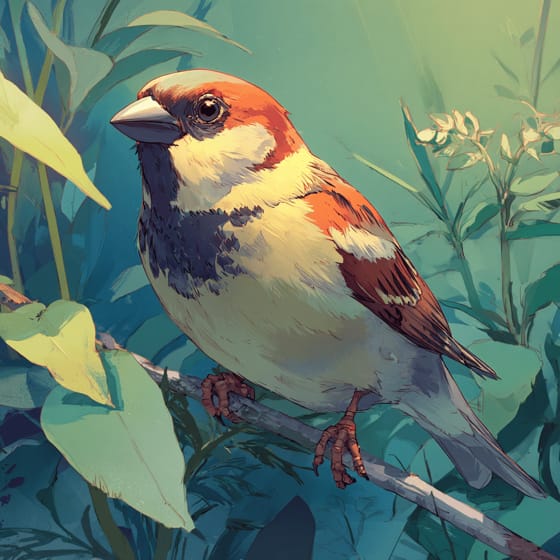
Passer domesticus
Sparrows are common predators of crickets in gardens.
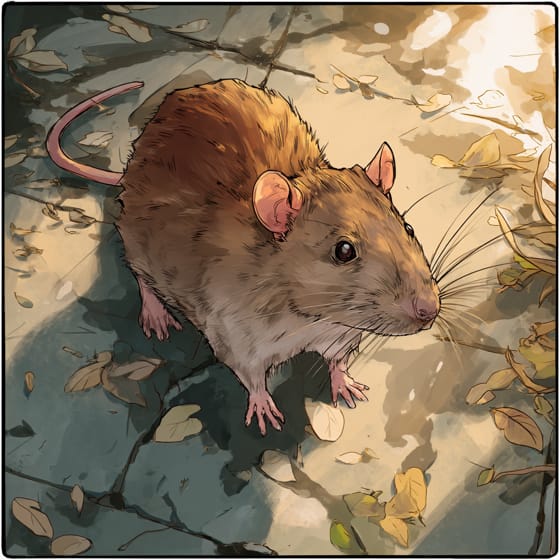
Rattus norvegicus
Rats will readily prey on crickets if they find them.

Sorex araneus
Small mammals like shrews hunt crickets at night.
Musca domestica
Crickets will opportunistically eat small, slow-moving insects like flies.

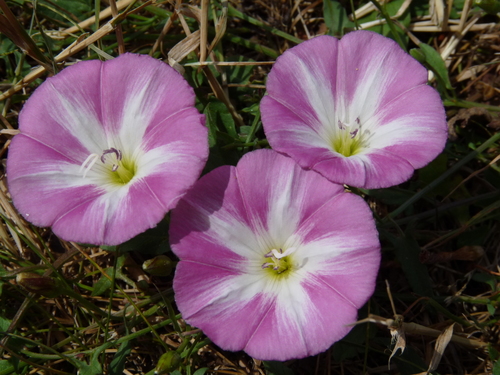
Trifolium repens
Crickets often graze on tender plant leaves and seeds.
Solitary animals live alone for most of their lives, only interacting with others for mating or parental care.
Camouflaged describes organisms that possess coloring or patterns that allow them to blend into their environment.
Grassland habitats are terrestrial biomes dominated by grasses and herbaceous plants, supporting a variety of grazing animals.
This trait characterizes organisms whose diet consists entirely or primarily of plant material.

This trait identifies organisms whose diet consists entirely or primarily of animal tissue.

Nocturnal animals are primarily active during the nighttime hours, typically resting or sleeping during the day.
No aliases listed yet.
Danger
0/5 · No known danger
No special safety notes yet.
The easiest way to identify Gryllina is to use the Snappit nature identifier app.
20-80 mm
10-50 mm
60-180 days
Gryllina are omnivores, munching on plants, tiny insects, and decaying bits they find.
Gryllina live in gardens, fields, and forests, usually hiding in grass and leaves.
Foraging
6
Zoom in to split clusters and explore where this object has been snapped.
Recent snaps will appear here as new observations are added.
Take the discovery with you
Snap it with Snappit to identify it, learn what makes it special, and add the discovery to your collection.







.jpg&width=800)




