Gulf Pipefish
syngnathus scovelli
The Gulf Pipefish is a long and slender fish that looks like a tiny snake! It swims in the ocean and can camouflage itself among seagrass and corals.
Habitat: Shallow coastal waters and seagrass beds in the Gulf of Mexico
The Gulf Pipefish is a long, slender fish with a horse-like head and a narrow, tube-like snout. Its body is covered in bony rings rather than scales, typically mottled brown, green, or tan to blend into seagrass beds. It lacks pelvic fins but has small dorsal and caudal fins.
Category
FishRarity
Common
Danger
1/5 · Very low
Snaps
Be the first to snap!
Did you know pipefish are relatives of seahorses, sharing similar bony armor?
Their tiny eyes can move independently, letting them watch in two directions at once!
They often float vertically, perfectly mimicking a blade of seagrass or debris!
Unlike most fish, their stiff bodies are made of protective bony rings, not scales!
Gulf Pipefish can change color and posture to perfectly blend with seagrass and algae, making them nearly invisible to hungry predators.
Gulf Pipefish has a prehensile tail that helps them grasp onto plant stems, preventing strong currents from sweeping them away.
Gulf Pipefish can rapidly suck in tiny prey with their tube-like snouts, creating a quick vacuum to capture their meal.
Male Gulf Pipefish carry their babies in a special brood pouch on their belly, protecting the eggs until they are ready to hatch.
These slender fish vacuum up tiny crustaceans and other small invertebrates hiding in the seagrass.
Scomberomorus maculatus
A common predator of small fish like pipefish.

Lutjanus griseus
Feeds on small fish and invertebrates in coastal habitats.
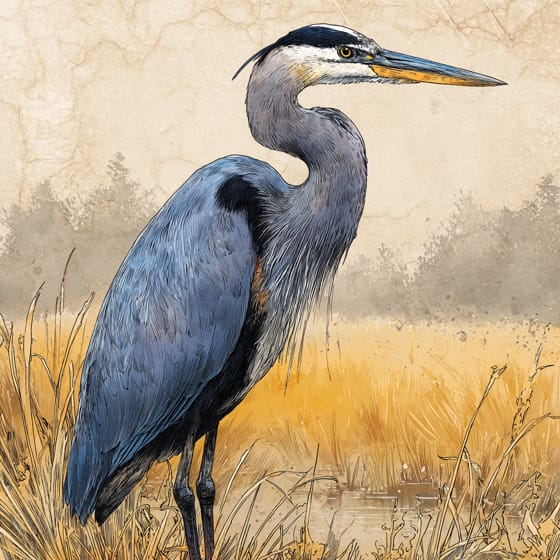
Ardea herodias
Wades in shallow water, preying on small aquatic animals.
Thalassia testudinum
Provides critical habitat and camouflage within seagrass beds.
Mysidopsis almyra
A common tiny crustacean that is a primary food source.
Camouflaged describes organisms that possess coloring or patterns that allow them to blend into their environment.
Colorful describes organisms or objects displaying a wide range of bright and distinct colors.
This trait identifies organisms whose diet consists entirely or primarily of animal tissue.
Aquatic habitats encompass environments where organisms live predominantly in water, including oceans, rivers, lakes, and wetlands.

Marine habitats encompass all saltwater environments of the Earth's oceans, supporting an immense diversity of aquatic life.
Danger
1/5 · Very low
No special safety notes yet.
The easiest way to identify Gulf Pipefish is to use the Snappit nature identifier app.
10-18 cm
0.005-0.015 kg
1-2 years
These slender fish vacuum up tiny crustaceans and other small invertebrates hiding in the seagrass.
3 km/h
Shallow coastal waters and seagrass beds in the Gulf of Mexico
Foraging
Zoom in to split clusters and explore where this object has been snapped.
Recent snaps will appear here as new observations are added.
Take the discovery with you
Snap it with Snappit to identify it, learn what makes it special, and add the discovery to your collection.