





Plains Zebra
Equus quagga
Plains zebras are beautiful animals known for their black and white stripes. They live in groups called herds and love to roam the grasslands of Africa.
Habitat: Grasslands
The Plains Zebra has distinctive black and white stripes that cover its entire body, including its belly. Unlike some other zebra species, its stripes are broader and often feature faint 'shadow' stripes between the main dark bands, appearing brownish-yellow.
Category
MammalsRarity
Common
Danger
2/5 · Low
Snaps
Be the first to snap!
Baby zebras, called foals, can stand and even run within an hour of being born!
Despite their black and white fur, a zebra's skin underneath is actually dark grey to black.
When a zebra sleeps, it often stands up, especially if it feels unsafe or is part of a large herd.
Zebras communicate using a variety of sounds, including barks, snorts, and whinnies, just like horses.
Plains Zebras have unique stripe patterns that help them confuse predators, making it hard to single out an individual in a running herd.
Plains Zebras can deliver a very strong kick with their hind legs, which helps them defend against lions and other large predators.
Plains Zebras are social animals that live in herds, which helps them detect danger earlier and collectively deter attackers.
Plains Zebras have keen eyesight and hearing, which allows them to spot and hear predators from a distance, keeping them safe.
These striped grazers primarily munch on various grasses to fuel their energy throughout the day.
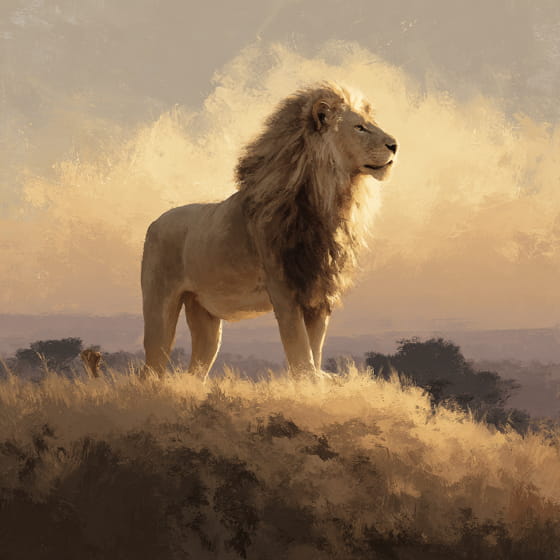
Panthera leo
A primary predator of adult and young zebras.
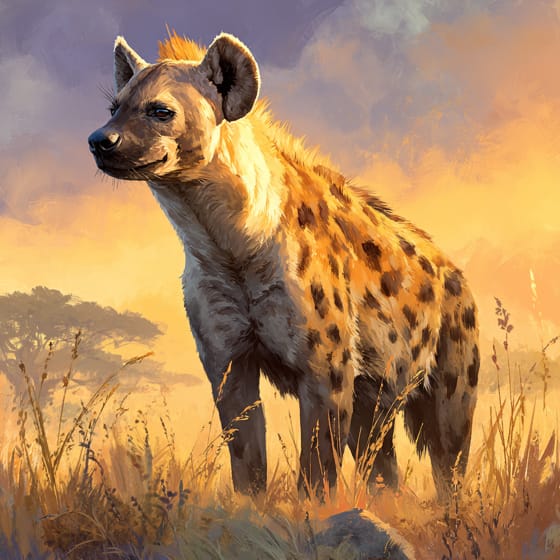
Crocuta crocuta
Often hunts zebras, especially the weak or young.
Buphagus erythrorhynchus
Eats ticks and parasites from zebra's skin.
Acacia nilotica
Provides essential shade during hot African days.
Furry describes animals possessing a dense covering of soft hair or fur.
Marked with parallel bands or lines of color.
Social animals live in organized groups, cooperating for survival benefits such as foraging, defense, and raising offspring.
Grassland habitats are terrestrial biomes dominated by grasses and herbaceous plants, supporting a variety of grazing animals.

This trait characterizes organisms whose diet consists entirely or primarily of plant material.

Diurnal animals are primarily active during daylight hours, typically resting or sleeping at night.

Describes a species whose presence and role have a disproportionately large effect on its environment.

This trait identifies organisms that exhibit exceptional swiftness in movement for hunting, escape, or travel.
Danger
2/5 · Low
Always watch zebras from a safe distance and never try to touch them in the wild.
The easiest way to identify Plains Zebra is to use the Snappit nature identifier app.
220-260 cm
250-380 kg
20-30 years
65 km/h
These striped grazers primarily munch on various grasses to fuel their energy throughout the day.
Grasslands
Grazing
Zoom in to split clusters and explore where this object has been snapped.
Recent snaps will appear here as new observations are added.

Wisconsin, US
You might spot African Elephant, Humboldt Penguin, and Gorilla.
View guide →
%2C_Playa_de_Boulders%2C_Simon%27s_Town%2C_Sud%C3%A1frica%2C_2018-07-23%2C_DD_11.jpg&width=800)
Maryland, US
You might spot African Penguin, Reticulated Giraffe, and African Elephant.
View guide →

Georgia, US
You might spot Giant Panda, African Elephant, and African Lion.
View guide →
Texas, US
You might spot African Elephant, Reticulated Giraffe, and African Lion.
View guide →
Florida, US
You might spot African Lion, Reticulated Giraffe, and Florida Panther.
View guide →
New York, US
You might spot African Elephant, Southern White Rhinoceros, and Giraffes.
View guide →
Take the discovery with you
Snap it with Snappit to identify it, learn what makes it special, and add the discovery to your collection.




.jpg&width=800)


.JPG&width=800)

.jpg&width=800)
