





Hackberry Nipplegall Psyllid
Pachypsylla celtidismamma
The Hackberry Nipplegall Psyllid is a tiny insect that makes little bumps on hackberry leaves. These bumps are called galls, and they are like cozy homes for the psyllid babies!
Habitat: Urban areas
The Hackberry Nipplegall Psyllid is a tiny insect, typically 2-4mm long, with a greenish-yellow or brownish body. It has clear, membranous wings slightly longer than its body. Its small size and general appearance resemble a mini cicada, often found near the distinctive nipple-shaped galls on hackberry leaves.
Category
InsectsRarity
Common
Danger
1/5 · Very low
Snaps
1
Baby psyllids hatch *inside* the galls, where they are safe from hungry predators.
The galls they create on leaves are actually made of the tree's own cells, tricked into growing!
These tiny insects are like master architects, creating intricate homes from tree leaves!
They are relatives of aphids and cicadas, all part of the 'true bugs' insect family!
Hackberry Nipplegall Psyllid can trick hackberry trees into growing protective 'nipple galls' that shelter its developing young.
Hackberry Nipplegall Psyllid has specialized mouthparts that help them pierce plant tissue and drink nutrient-rich tree sap.
Hackberry Nipplegall Psyllid can locate specific hackberry trees to feed and lay eggs, ensuring its survival.
These tiny insects drink the sap from hackberry trees, causing unique bumps on the leaves.
Age differences: Nymphs also feed on hackberry sap from inside their protective galls.

Celtis occidentalis
Its sole host plant for feeding and gall formation.

Poecile carolinensis
A common bird that preys on small insects from trees.
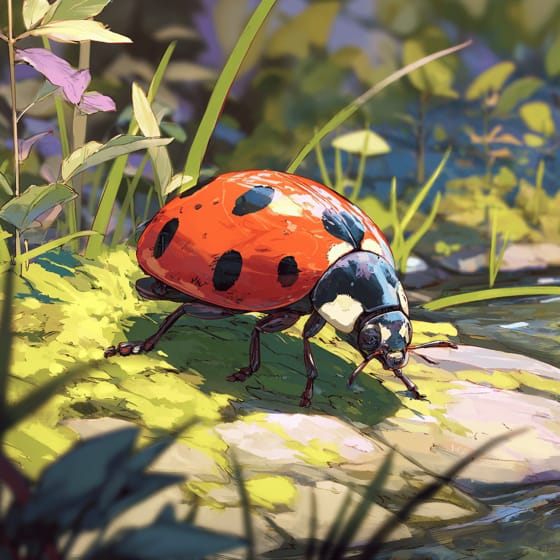
Coccinella septempunctata
Adults and larvae consume various small soft-bodied insects.
Solitary animals live alone for most of their lives, only interacting with others for mating or parental care.
This trait characterizes organisms whose diet consists entirely or primarily of plant material.
Diurnal animals are primarily active during daylight hours, typically resting or sleeping at night.
Pertaining to species that are significantly smaller than typical or average for their kind.

This habitat trait indicates species that can coexist with humans in urban and suburban environments, utilizing man-made structures and green spaces.

Describes organisms that transfer pollen, enabling the fertilization and reproduction of plants.
No aliases listed yet.
Danger
1/5 · Very low
It's safe to look at these insects, but don't touch them or the galls.
The easiest way to identify Hackberry Nipplegall Psyllid is to use the Snappit nature identifier app.
4-6 mm
2-4 mm
30-45 days
These tiny insects drink the sap from hackberry trees, causing unique bumps on the leaves.
Urban areas
Foraging
6
Zoom in to split clusters and explore where this object has been snapped.

Missouri, US
You might spot Eastern Carpenter Bee, Duck, and American Robin.
View guide →

Nebraska, US
You might spot American Robin and Hackberry Nipplegall Psyllid.
View guide →

Illinois, US
You might spot Pond Slider, Virginia Bluebells, and Canada Goose.
View guide →
Take the discovery with you
Snap it with Snappit to identify it, learn what makes it special, and add the discovery to your collection.







.jpg&width=800)




