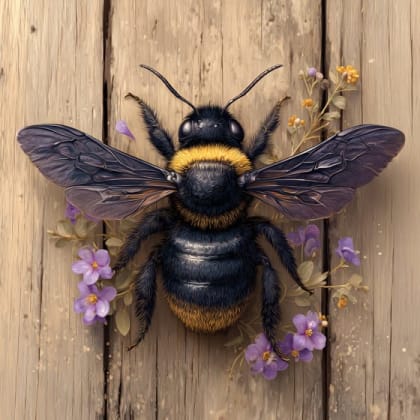





Carpenter Bee

The Missouri Botanical Garden is a vibrant oasis of horticulture and botanical science.
The Missouri Botanical Garden is a vibrant oasis of horticulture and botanical science.
This National Historic Landmark, spread across 79 acres in St. Louis, Missouri, stands as one of the oldest botanical gardens in the United States, celebrated globally for its extensive plant collections, pioneering conservation efforts, and educational programs. From the iconic geodesic dome of the Climatron, replicating a lush rainforest, to the serene landscapes of the 14-acre Japanese Garden, it offers an immersive journey through diverse ecosystems and cultures.
Key highlights include the Climatron, housing 1,400 species of tropical plants under its futuristic dome, and Seiwa-en, one of North America's largest traditional Japanese strolling gardens, complete with lakes, islands, and koi fish. Visitors can also explore the intricate designs of the Ottoman Garden, featuring Turkish tulips and traditional fountains, or delight in the interactive wonders of the Doris I. Schnuck Children's Garden, which boasts a treehouse, steamboat, and splash pad. The historic Victorian District, centered around founder Henry Shaw's Tower Grove House, showcases traditional plantings and architectural heritage.
Whether you seek a tranquil escape among seasonal blooms, an educational adventure for the family, or simply a beautiful setting for photography, the Missouri Botanical Garden delivers a memorable experience in every season. It’s a testament to the enduring vision of its founder, offering a profound connection to the plant world. Be ready to snap and learn! Get the Snappit app to identify any nature species you find here.
The Missouri Botanical Garden was founded by Henry Shaw, a British immigrant who arrived in St. Louis in 1819. After amassing a considerable fortune in the hardware and real estate businesses, Shaw retired at the age of 39 in 1840. His extensive travels through Europe ignited a passion for botany and garden design, inspiring him to create a public botanical garden in his adopted city. Development of the garden on his St. Louis estate began by 1850, and it officially opened to the public in 1859. Shaw meticulously oversaw its development, establishing it not just as a place of beauty but also as a center for science and education. Upon his death in 1889, Shaw bequeathed the Garden to a board of trustees, ensuring its perpetual operation for public benefit. The Garden continued to evolve, notably with the construction of the groundbreaking Climatron geodesic dome in 1959, which opened in 1960. It was designated a National Historic Landmark in 1976.
Stroll through the diverse themed gardens, experience the rainforest environment in the Climatron, feed the koi in the Japanese Garden, let children explore the interactive features of the Children's Garden, admire the architecture of Tower Grove House, and learn about various plant collections. Seasonal events and tours are frequently available.
Spring: Expect a riot of color with blooming bulbs, flowering trees, and shrubs. The annual Orchid Show is typically held in March.
Summer: Enjoy peak rose blooms, the enormous Victoria water lilies (July-September), and the Children's Garden splash pad (Memorial Day through Labor Day). Mornings or weekdays are best to avoid crowds and summer heat.
Fall: Admire the changing leaves, ornamental grasses, and abundant chrysanthemums.
Winter: Though quieter outdoors, the conservatories remain lush. The Garden Glow event, featuring festive lights, is a popular winter attraction.
The Garden offers general accessibility, with many paved pathways. The Children's Garden is designed to be wheelchair and stroller friendly. Tram tours are available to help visitors navigate the expansive grounds.
Don't miss the iconic Climatron, the tranquil Japanese Garden (Seiwa-en), the family-friendly Doris I. Schnuck Children's Garden, Henry Shaw's historic Tower Grove House, the Linnean House conservatory, and the unique Ottoman Garden.
Each card links to a full Explore page with photos, traits, and fun facts.

























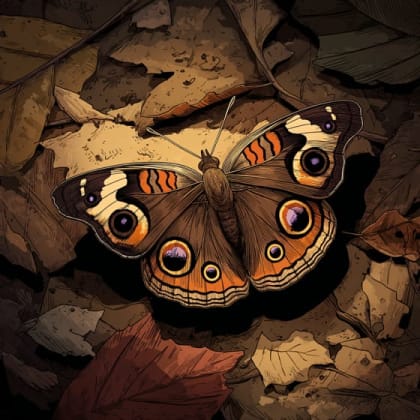
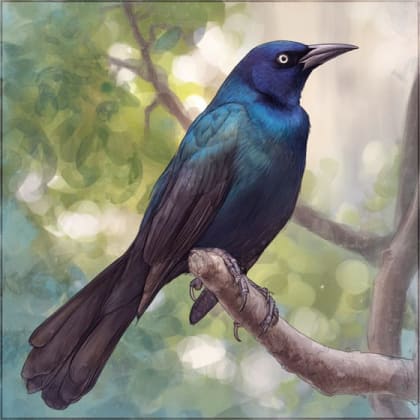




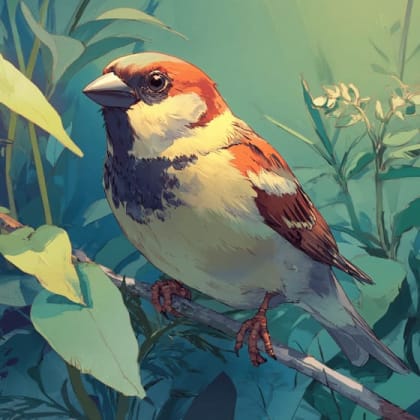



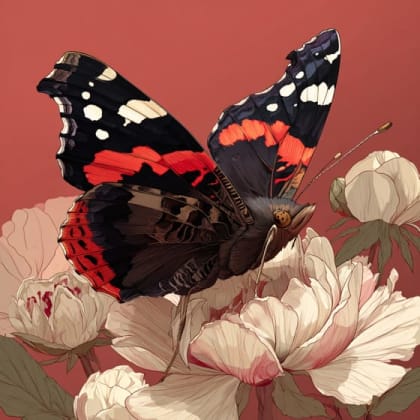







Start with the big picture, then zoom in to explore individual wildlife observations around this place.
**Purchase tickets online in advance** to streamline your entry and save time.
**Arrive early or visit on weekdays** during peak seasons like summer to enjoy a more tranquil experience and avoid larger crowds.
**Wear comfortable walking shoes** as the Garden spans 79 acres with extensive pathways to explore.
**Consider taking a tram tour** for an efficient overview of the grounds, especially if you have limited time or mobility.
**Bring swimsuits and towels for children** if visiting the Doris I. Schnuck Children's Garden during warmer months, as it features a popular splash pad.
**Check the Garden's "What's In Bloom" guide** on their website before your visit to discover seasonal highlights and plan your route accordingly.
Jun 18, 2026
Photo attribution
no rights reserved
License: CC0 1.0 ↗
Image may be shown cropped inside the card frame.
Jun 18, 2026
Photo attribution
no rights reserved
License: CC0 1.0 ↗
Image may be shown cropped inside the card frame.
Jun 18, 2026
Photo attribution
no rights reserved
License: CC0 1.0 ↗
Image may be shown cropped inside the card frame.
Jun 16, 2026
Photo attribution
no rights reserved
License: CC0 1.0 ↗
Image may be shown cropped inside the card frame.
Jun 13, 2026
Photo attribution
(c) Lena Struwe, some rights reserved (CC BY-SA)
License: CC BY-SA 4.0 ↗
Image may be shown cropped inside the card frame.

Maryland, US
You might spot White-Tailed Deer and Eastern Gray Squirrel.
View guide →
.jpg)
District of Columbia, US
You might spot Eastern Gray Squirrel, Duck, and House Sparrow.
View guide →

Illinois, US
You might spot American Robin, Canada Goose, and House Sparrow.
View guide →

Virginia, US
You might spot Spotted Lanternfly and Northern Cardinal.
View guide →
Take the discovery with you
Identify the wildlife you spot, learn as you go, and keep a collection of the adventure.