





Hadrurus arizonensis
Hadrurus arizonensis
The Hadrurus arizonensis, also known as the Arizona bark scorpion, is a special little creature that glows in the dark! It has a long tail and can be found in the desert, where it hides under rocks and in burrows.
Habitat: Desert
The Hadrurus arizonensis is the largest scorpion in North America, boasting a robust, yellowish-tan body with darker segments. It is distinctly covered in bristly hairs, giving it a fuzzy appearance unlike smoother desert scorpions, and has large, powerful pincers.
Category
InsectsRarity
Common
Danger
3/5 · Moderate
Snaps
1
Mother scorpions carry their babies on their back for safety after they hatch!
They have special comb-like organs on their belly to "taste" the ground for clues.
They spend daylight hours hiding in deep burrows to escape the desert's extreme heat.
This scorpion is an arachnid, making it a cousin to spiders, mites, and ticks!
Hadrurus arizonensis has sensitive bristles that help them detect tiny vibrations in the sand, alerting them to nearby prey or danger.
Hadrurus arizonensis can dig deep burrows that help them escape the scorching desert heat and hide from predators.
Hadrurus arizonensis has a special chemical in their exoskeleton that makes them glow bright blue-green under ultraviolet light.
Hadrurus arizonensis can deliver a mild venom through their stinger that helps them subdue insects and other small prey.
This predator hunts insects, spiders, and even small lizards in the desert at night.
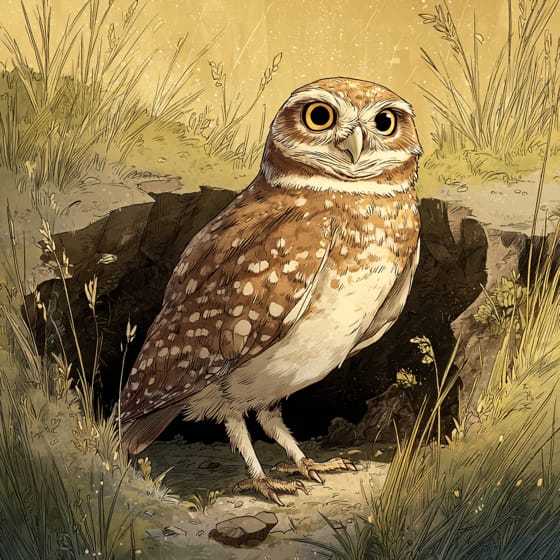
Athene cunicularia
A common meal for this nocturnal desert bird.
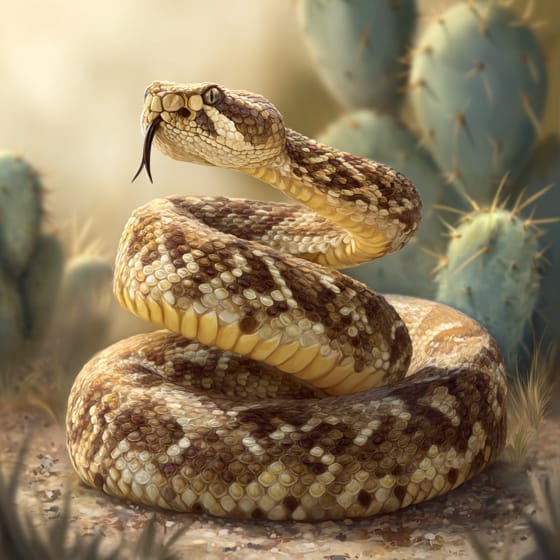
Crotalus atrox
A dangerous predator that hunts scorpions at night.
Onychomys torridus
This mouse is famous for preying on scorpions.
Stenopelmatus fuscus
A large insect preyed upon by the scorpion.
Burrowing animals dig tunnels and chambers in the ground, using these subterranean structures for shelter, hunting, or breeding.
This trait identifies organisms whose diet primarily consists of insects and other small invertebrates.
Desert habitats are arid regions characterized by extremely low precipitation and often extreme temperatures, supporting specialized flora and fauna.
This trait characterizes organisms with an exceptionally long lifespan compared to others of their kind.

This trait identifies organisms whose diet consists entirely or primarily of animal tissue.

Giant describes organisms or objects of significantly larger size than average for their species or type.

Pertaining to organisms that emit light through bioluminescence or fluorescence.

Nocturnal animals are primarily active during the nighttime hours, typically resting or sleeping during the day.

Venomous organisms produce toxins that are injected into another animal, typically through a bite or sting.
No aliases listed yet.
Danger
3/5 · Moderate
Keep a safe distance and never touch a scorpion, as they can sting.
The easiest way to identify Hadrurus arizonensis is to use the Snappit nature identifier app.
100-150 mm
2190-2920 days
This predator hunts insects, spiders, and even small lizards in the desert at night.
Desert
Ambush
8
Zoom in to split clusters and explore where this object has been snapped.
Take the discovery with you
Snap it with Snappit to identify it, learn what makes it special, and add the discovery to your collection.










.jpg&width=800)




