.jpg&width=800)





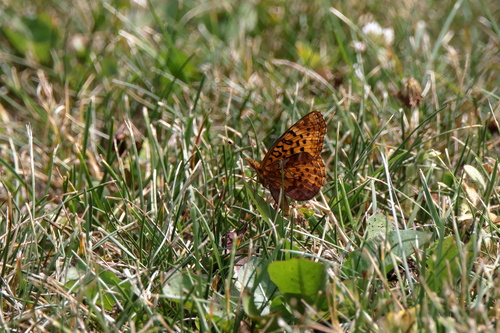
Meadow Fritillary
Boloria bellona
The Meadow Fritillary is a beautiful butterfly with orange and black patterns on its wings. It loves to flutter around meadows and fields, bringing color to nature.
Habitat: Meadows and grasslands
The Meadow Fritillary has vibrant orange upperwings with intricate dark markings. Its underside hindwings are distinctively patterned with greenish-yellow, brown, and pearly-white spots, making it easy to identify from similar butterflies. These pearly spots often look like drops of dew.
Category
InsectsRarity
Common
Danger
1/5 · Very low
Snaps
13
It sips nectar using a long, straw-like tongue called a proboscis!
Meadow Fritillary caterpillars only eat violet leaves, making them very picky eaters!
Some Meadow Fritillaries can have two generations of butterflies in one summer!
Their wings have tiny scales that give them their beautiful colors, like dust!
Meadow Fritillary has intricate wing patterns that help them blend seamlessly into flowery meadows, hiding from hungry birds.
Meadow Fritillary can taste with its feet, helping them find the sweetest flowers for delicious nectar because of special sensors.
Meadow Fritillary can identify specific violet plants to lay eggs on, ensuring their caterpillars have the perfect food source.
Adults sip sweet nectar from flowers, while their young caterpillars munch on violet leaves!
Age differences: Larvae eat specific violet plant leaves, while adults solely drink nectar from various wildflowers.

Viola sororia
Its leaves are the only food source for Meadow Fritillary caterpillars.
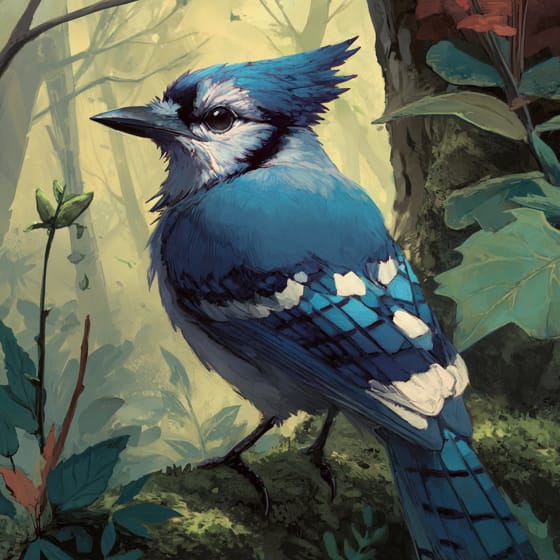
Cyanocitta cristata
This common bird preys on Meadow Fritillary adults and larvae.

Cirsium arvense
Adult Meadow Fritillaries visit these flowers for nectar, helping spread pollen.
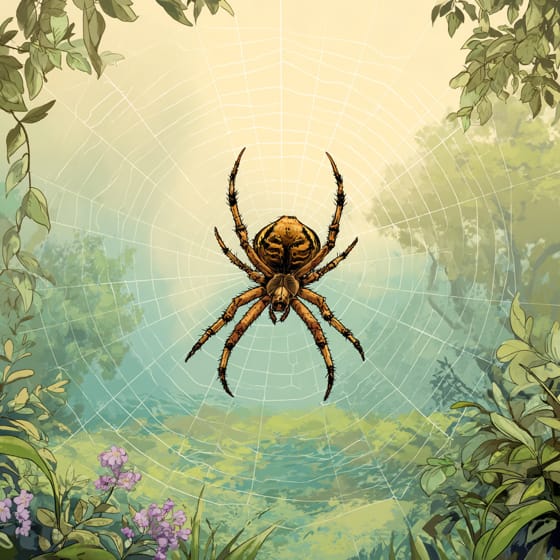
Argiope aurantia
Meadow Fritillaries can get caught in their webs and become food.
Solitary animals live alone for most of their lives, only interacting with others for mating or parental care.
Camouflaged describes organisms that possess coloring or patterns that allow them to blend into their environment.
Colorful describes organisms or objects displaying a wide range of bright and distinct colors.
Grassland habitats are terrestrial biomes dominated by grasses and herbaceous plants, supporting a variety of grazing animals.

This trait characterizes organisms whose diet consists entirely or primarily of plant material.

Describes plants that are particularly attractive and beneficial to a wide range of pollinating organisms.

Diurnal animals are primarily active during daylight hours, typically resting or sleeping at night.

Describes organisms that transfer pollen, enabling the fertilization and reproduction of plants.
No aliases listed yet.
Danger
1/5 · Very low
Butterflies are safe to watch but be gentle and don't touch them.
The easiest way to identify Meadow Fritillary is to use the Snappit nature identifier app.
35-50 mm
15-20 mm
14-28 days
10-20 km/h
Adults sip sweet nectar from flowers, while their young caterpillars munch on violet leaves!
Meadows and grasslands
Foraging
Zoom in to split clusters and explore where this object has been snapped.
Jul 1, 2023
Canoe Landing Prairie State Natural AreaPhoto attribution
(c) Lauren McLaurin, some rights reserved (CC BY)
License: CC BY 4.0 ↗
Image may be shown cropped inside the card frame.

Pennsylvania, US
You might spot Solomon's Plume, Moonseed, and Virginia Waterleaf.
View guide →

Wisconsin, US
You might spot Sundial Lupine, Aurora Damsel, and Lancet Clubtail.
View guide →

Pennsylvania, US
You might spot Orange Hawkweed and Hickory Tussock Moth.
View guide →

Pennsylvania, US
You might spot Purple-Stemmed Angelica and Lesser Celandine.
View guide →
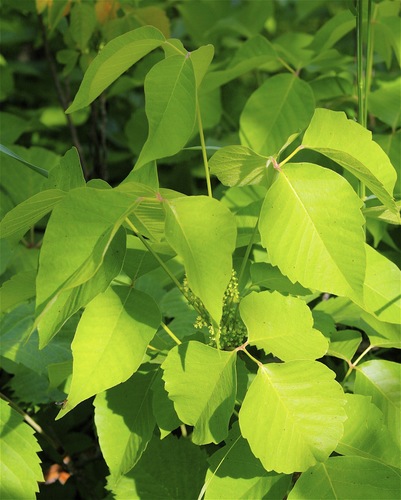
North Dakota, US
You might spot Western Poison Ivy, Wild Licorice, and Leadplant.
View guide →

Illinois, US
You might spot Red Clover, Chicory, and Amur Honeysuckle.
View guide →
Take the discovery with you
Snap it with Snappit to identify it, learn what makes it special, and add the discovery to your collection.






.jpg&width=800)



