





Hairy St John's-wort
Hypericum hirsutum
Hairy St John's-wort is a cheerful yellow flower that grows in sunny places. Its bright blooms can be found in fields and meadows, making them a lovely sight to see!
Habitat: Grasslands
The Hairy St John's-wort has upright, hairy stems and small, oval leaves also covered in soft hairs. Its bright yellow, five-petalled flowers often have tiny black dots along their edges, which sets them apart.
Category
PlantsRarity
Common
Danger
1/5 · Very low
Snaps
Be the first to snap!
Ancient people believed carrying St. John's-wort could ward off bad luck!
Its unique 'hairy' texture helps it stand out from other similar yellow wildflowers!
Rubbing its flower buds or petals can stain your fingers a surprising purple-red!
Some species of St. John's-wort have special glands that glow red under ultraviolet light!
Hairy St John's-wort has fuzzy leaves and stems that can trap moisture and protect it from sun, helping it survive.
Its bright yellow flowers produce nectar and pollen, acting like a beacon to attract bees and other helpful insects.
This plant produces many tiny seeds in capsules that burst open, allowing it to spread new plants far and wide.
Apis mellifera
Collects nectar and pollen.
Chrysolina hyperici
Larvae and adults feed on leaves.
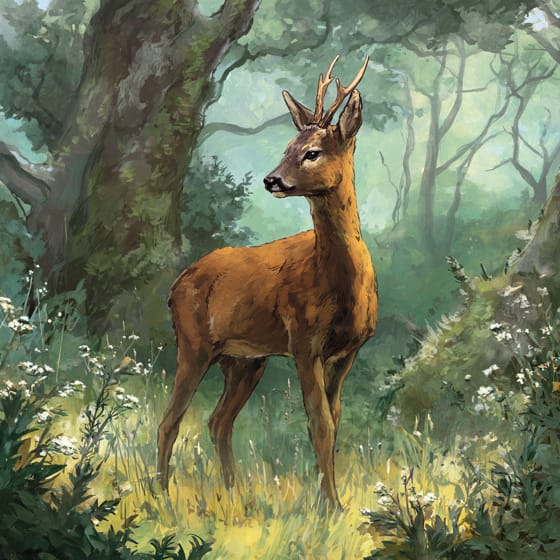
Capreolus capreolus
May browse on the foliage.
Flowering plants are any plants that produce flowers as part of their reproductive cycle.
Summer blooming plants produce their flowers during the summer season, often providing vibrant color when many other plants have finished.
Fragrant flowers emit a pleasant aroma, often to attract pollinators or for defense.
Medicinal plants possess chemical compounds that can be used for therapeutic purposes to treat illnesses or maintain health.

Grassland habitats are terrestrial biomes dominated by grasses and herbaceous plants, supporting a variety of grazing animals.

Describes plants that are particularly attractive and beneficial to a wide range of pollinating organisms.
No aliases listed yet.
Danger
1/5 · Very low
Always check with an adult before touching or picking flowers.
The easiest way to identify Hairy St John's-wort is to use the Snappit nature identifier app.
30-90 cm
20-40 cm
1-2 cm
Summer (July-September)
No
Mild
Perennial
Zoom in to split clusters and explore where this object has been snapped.
Recent snaps will appear here as new observations are added.
Take the discovery with you
Snap it with Snappit to identify it, learn what makes it special, and add the discovery to your collection.








.jpg&width=800)


_001.jpg&width=800)




