_(7748318398).jpg&width=800)





Hairy-tailed Mole
Parascalops breweri
The Hairy-tailed Mole is a small, furry creature that loves to dig in the ground. With its soft fur and tiny eyes, it spends most of its time underground, making tunnels and searching for food.
Habitat: Grasslands
The Hairy-tailed Mole is a small mammal with a cylindrical body and very soft, dense dark gray to black fur. It has a short, thick tail notably covered in stiff hairs. Its front paws are large and shovel-like, while its tiny eyes and ears are hidden beneath its fur.
Category
MammalsRarity
Common
Danger
1/5 · Very low
Snaps
1
Their amazing tunnels help aerate the soil, which is great for plants and farms!
They spend almost their entire lives underground, rarely seen above the surface!
This mole can eat its own weight in worms and insects every single day!
Wow! Hairy-tailed Moles have an extra thumb bone that makes their digging claws even bigger!
Hairy-tailed Moles can create extensive networks of underground tunnels because of their powerful forelimbs, which helps them find food and shelter.
Hairy-tailed Moles have a super sensitive snout that helps them detect ground vibrations, allowing them to locate worms and insects underground.
Hairy-tailed Moles have special blood that helps them breathe easier in low-oxygen tunnels because of unique hemoglobin adaptations.
The Hairy-tailed Mole has a tough, bristly tail that helps them push loose soil behind them, keeping their tunnels clear.
These small moles primarily feast on yummy insects, worms, and other tiny creatures they find underground.
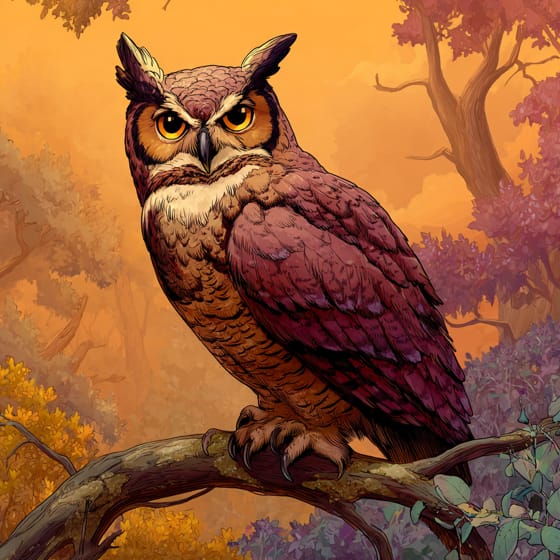
Bubo virginianus
An opportunistic predator of small mammals, including moles.
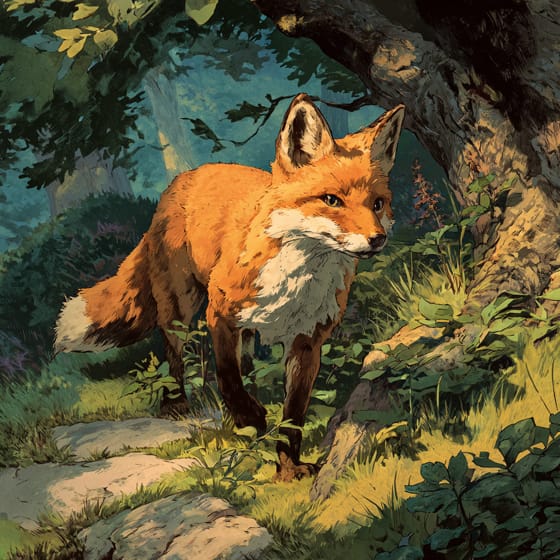
Vulpes vulpes
Known to dig for prey like moles and voles.
Lumbricus terrestris
A primary food source, hunted using acute senses.
Furry describes animals possessing a dense covering of soft hair or fur.
Solitary animals live alone for most of their lives, only interacting with others for mating or parental care.
Burrowing animals dig tunnels and chambers in the ground, using these subterranean structures for shelter, hunting, or breeding.
Grassland habitats are terrestrial biomes dominated by grasses and herbaceous plants, supporting a variety of grazing animals.

This trait identifies organisms whose diet primarily consists of insects and other small invertebrates.

This trait identifies organisms that exhibit exceptional swiftness in movement for hunting, escape, or travel.

Nocturnal animals are primarily active during the nighttime hours, typically resting or sleeping during the day.
No aliases listed yet.
Danger
1/5 · Very low
If you see a mole, watch it from a distance and don't try to touch it. They are shy and prefer to stay underground.
The easiest way to identify Hairy-tailed Mole is to use the Snappit nature identifier app.
11-13 cm
0.035-0.065 kg
2-5 years
2 km/h
These small moles primarily feast on yummy insects, worms, and other tiny creatures they find underground.
Grasslands
Foraging
Zoom in to split clusters and explore where this object has been snapped.
Take the discovery with you
Snap it with Snappit to identify it, learn what makes it special, and add the discovery to your collection.





.jpg&width=800)



.JPG&width=800)

.jpg&width=800)
