





heartleaf arnica
Arnica cordifolia
Heartleaf arnica is a beautiful flower with heart-shaped leaves. It grows in the wild and has bright yellow petals that attract butterflies and bees. This flower loves to grow in shady places, making it special in the forest.
Habitat: Forests
The heartleaf arnica is a striking plant with bright yellow, daisy-like flowers that can grow up to 7 cm wide. Its most distinctive feature is its soft, fuzzy, heart-shaped leaves that grow mostly near the base. The stems are usually reddish or purplish.
Category
PlantsRarity
Common
Danger
2/5 · Low
Snaps
7
Ancient people used arnica externally for bruises and sprains!
Heartleaf arnica prefers cool mountain air and shady forest floors.
Its bright yellow flowers belong to the same plant family as sunflowers.
Some people believe seeing arnica flowers means spring is truly here.
Heartleaf arnica can spread using underground stems called rhizomes, helping it form new plants and survive harsh winters.
Heartleaf arnica's flowers can slowly turn to face the sun throughout the day, helping them capture more energy.
Heartleaf arnica produces a special compound called helenalin that can deter animals from eating it, protecting its leaves and flowers.
Bombus bifarius
Visits flowers to collect nectar and pollen.
.jpg&width=800)
Marmota caligata
May occasionally graze on the leaves and flowers.
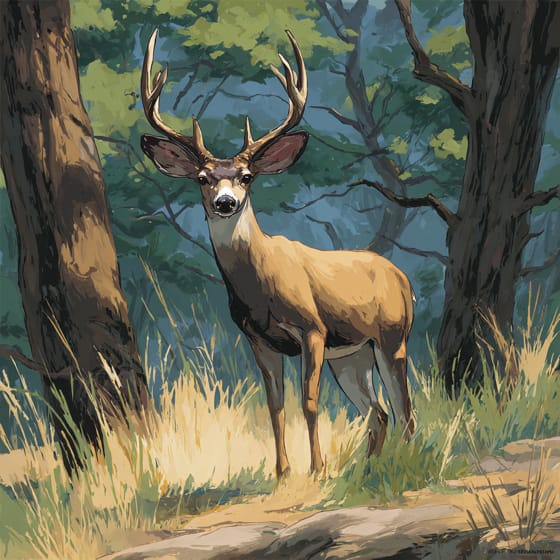
Odocoileus hemionus
Browses on the foliage, though typically not a primary food source.
Deciduous plants periodically shed all their leaves, typically during autumn or dry seasons.
Flowering plants are any plants that produce flowers as part of their reproductive cycle.
Shade tolerant plants are adapted to grow and thrive in areas with low light levels, requiring less direct sunlight.
Spring blooming plants produce their flowers during the spring season, often signifying the end of winter and the start of new growth.

Fragrant flowers emit a pleasant aroma, often to attract pollinators or for defense.

Medicinal plants possess chemical compounds that can be used for therapeutic purposes to treat illnesses or maintain health.

Describes plants that are particularly attractive and beneficial to a wide range of pollinating organisms.

Forest habitats are terrestrial environments dominated by dense tree cover, supporting a high diversity of plant and animal life.
No aliases listed yet.
Danger
2/5 · Low
Do not touch or eat wild flowers without asking an adult first.
The easiest way to identify heartleaf arnica is to use the Snappit nature identifier app.
30-60 cm
20-40 cm
4-7 cm
Late spring to mid-summer
No
Mild
Perennial
Zoom in to split clusters and explore where this object has been snapped.

Wyoming, US
You might spot Elk, American White Pelican, and Arrowleaf Balsamroot.
View guide →

Wyoming, US
You might spot Moose, Arrowleaf Balsamroot, and Black Bear.
View guide →

British Columbia, CA
You might spot Western Rattlesnake Plantain and Shinyleaf Meadowsweet.
View guide →

Wyoming, US
You might spot Creeping Mahonia, Utah Honeysuckle, and Woodland Pinedrops.
View guide →

Wyoming, US
You might spot Moose, Snowbrush Ceanothus, and Black Bear.
View guide →

Wyoming, US
You might spot Moose and Yellow-Bellied Marmot.
View guide →
Take the discovery with you
Snap it with Snappit to identify it, learn what makes it special, and add the discovery to your collection.






.jpg&width=800)


_001.jpg&width=800)



