





Hedge mustard
Sisymbrium officinale
Hedge mustard is a little yellow flower that grows in fields and along roadsides. It has bright yellow petals and can be found in many places, making it a cheerful sight in nature!
Habitat: Urban areas
The Hedge mustard is a common plant with tough, slender stems reaching up to 80cm tall. It displays numerous tiny, bright yellow, four-petaled flowers clustered in long spikes. Its basal leaves are deeply lobed and somewhat hairy, making them visually distinctive.
Category
PlantsRarity
Common
Danger
1/5 · Very low
Snaps
1
Ancient Greeks believed it could help soothe a lost or strained voice!
Its seeds were once ground up and used like a zesty, wild mustard spice!
This plant is a cousin to yummy broccoli and spicy horseradish!
You can munch on its young leaves, which taste like peppery rocket!
Hedge mustard's tiny seeds develop a sticky coating, helping them catch a ride on animals or clothes to spread far and wide!
Traditionally, people believed Hedge mustard could soothe sore throats, helping singers recover their voices.
Hedge mustard can thrive in tough places like disturbed soil, roadsides, and even cracks in pavement, making it super resilient!
Apis mellifera
collects nectar and pollen
Pieris rapae
caterpillars munch on leaves
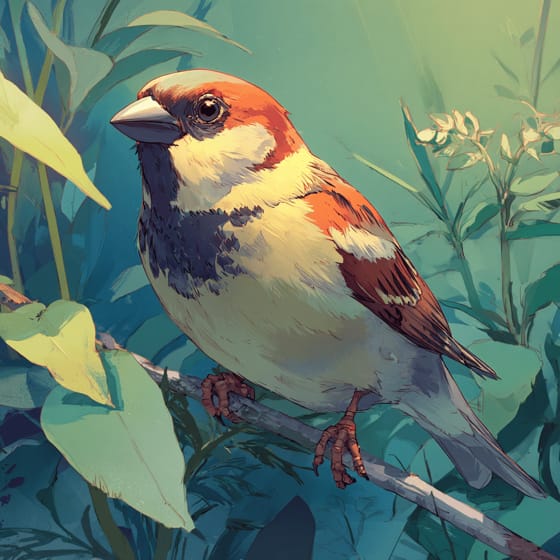
Passer domesticus
feasts on its seeds
Flowering plants are any plants that produce flowers as part of their reproductive cycle.
Biennial plants complete their life cycle over two growing seasons, typically forming foliage in the first year and flowering/seeding in the second.
Spring blooming plants produce their flowers during the spring season, often signifying the end of winter and the start of new growth.
Edible plants are those parts of a plant that are considered safe for human consumption.

Describes plants that are particularly attractive and beneficial to a wide range of pollinating organisms.

This habitat trait indicates species that can coexist with humans in urban and suburban environments, utilizing man-made structures and green spaces.

Describes organisms that transfer pollen, enabling the fertilization and reproduction of plants.
No aliases listed yet.
Danger
1/5 · Very low
Always ask an adult before touching or tasting any plants.
The easiest way to identify Hedge mustard is to use the Snappit nature identifier app.
30-80 cm
15-30 cm
0.3-0.5 cm
Late spring to late autumn
Yes
None
Annual
Zoom in to split clusters and explore where this object has been snapped.
Take the discovery with you
Snap it with Snappit to identify it, learn what makes it special, and add the discovery to your collection.









.jpg&width=800)



_001.jpg&width=800)



