





Helarctos malayanus
Helarctos malayanus
The Sun Bear is the smallest bear in the world! They have short, sleek fur and a special yellow or white patch on their chest that looks like a sun.
Habitat: Forests
The Helarctos malayanus is the smallest bear, distinguished by its sleek, short black fur. It has a striking orange-yellow, often crescent-shaped, chest patch and a pale muzzle. Its long, sickle-shaped claws are also very noticeable.
Category
MammalsRarity
Rare
Danger
3/5 · Moderate
Snaps
Be the first to snap!
Sun bears enjoy napping in trees, sometimes creating cozy branch nests.
Sun bears' scientific name, Helarctos, actually means 'sun bear' in Greek!
Their unique chest patch is like a personal 'sun' symbol!
They stand on two legs to survey surroundings and sniff out distant food.
Helarctos malayanus has powerful, curved claws that help them climb trees quickly and tear open rotting logs for insects.
Helarctos malayanus has loose skin that allows them to twist and turn to escape if a predator grabs them.
Helarctos malayanus can sniff out hidden food from far away because of their amazing sense of smell.
Sun bears are omnivores, eating everything from insects and honey to fruits and small animals.
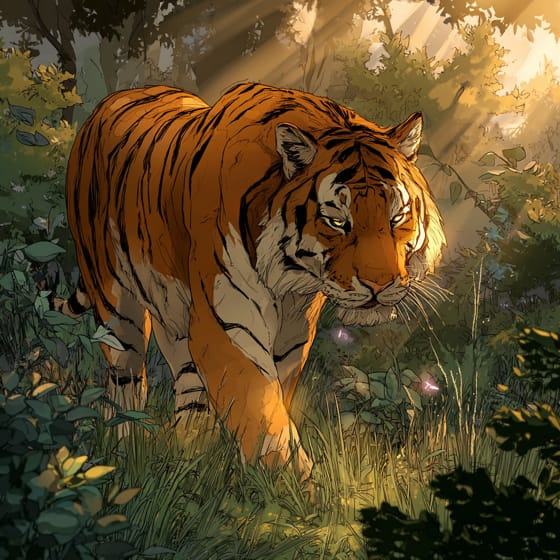
Panthera tigris
Adult sun bears are sometimes hunted by tigers.
Apis dorsata
Consumes honey and larvae from large nests.
Ficus altissima
Feeds on ripe figs, dispersing their seeds.
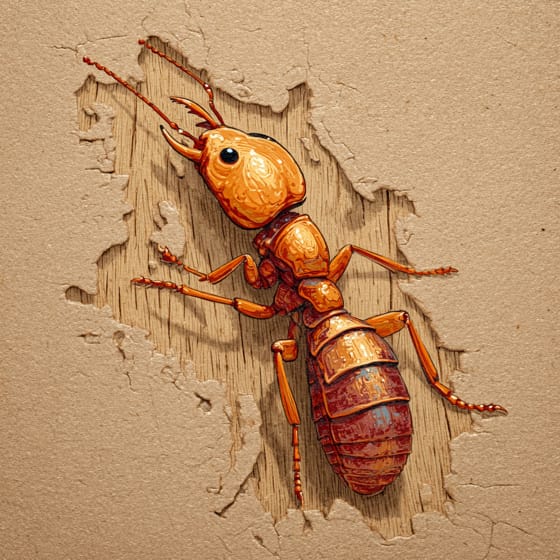
Macrotermes gilvus
Digs into nests to consume termite larvae and adults.
Furry describes animals possessing a dense covering of soft hair or fur.
Marked with spots or patches of a different color.
Solitary animals live alone for most of their lives, only interacting with others for mating or parental care.
This trait identifies organisms whose diet includes both plant and animal matter.

Arboreal animals live primarily in trees, utilizing them for shelter, food, and protection from predators.

Forest habitats are terrestrial environments dominated by dense tree cover, supporting a high diversity of plant and animal life.

Nocturnal animals are primarily active during the nighttime hours, typically resting or sleeping during the day.

Endangered status indicates a species is at a very high risk of extinction in the wild in the near future.
Danger
3/5 · Moderate
Sun Bears are wild animals and should be admired from a distance.
The easiest way to identify Helarctos malayanus is to use the Snappit nature identifier app.
100-150 cm
25-65 kg
20-28 years
48 km/h
Sun bears are omnivores, eating everything from insects and honey to fruits and small animals.
Forests
Foraging
Zoom in to split clusters and explore where this object has been snapped.
Recent snaps will appear here as new observations are added.
Take the discovery with you
Snap it with Snappit to identify it, learn what makes it special, and add the discovery to your collection.




.jpg&width=800)



.JPG&width=800)



.jpg&width=800)
