





Helmeted Curassow
Pauxi pauxi
The Helmeted Curassow is a large, colorful bird with a unique helmet-like crest on its head. It loves to roam in the forests and is known for its loud calls that echo through the trees.
Habitat: Forests
The Helmeted Curassow is a large, striking black bird with a distinctive blue-grey, bulbous casque on its head. It also features a white lower belly and a red-tipped bill, making it visually unique among forest birds.
Category
BirdsRarity
Rare
Danger
1/5 · Very low
Snaps
Be the first to snap!
Helmeted Curassows are ground nesters, laying their two large eggs directly on the forest floor.
Its unique 'helmet' is actually hollow bone, not solid, making it surprisingly light!
These birds use their strong feet to scratch through leaf litter, finding hidden snacks.
They are monogamous birds, often staying with the same partner for many breeding seasons!
Helmeted Curassow has a hollow casque that helps them amplify their deep, booming calls across the dense forest.
Helmeted Curassow can fly short distances and use strong legs to navigate dense undergrowth, reaching food sources.
Helmeted Curassow helps spread seeds because of eating fruits, which aids forest regeneration.
An omnivore, this bird mainly eats fallen fruits, seeds, and the occasional insect found on the forest floor.
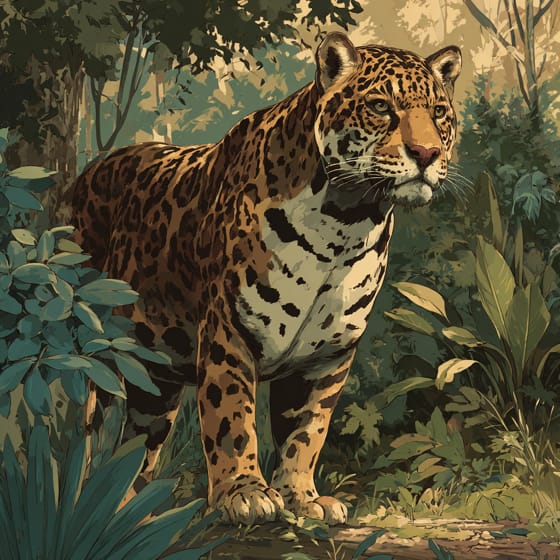
Panthera onca
Jaguars are predators of adult curassows.
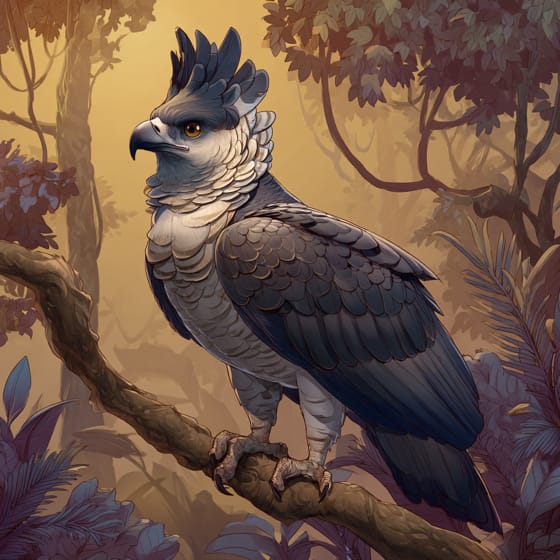
Harpia harpyja
Chicks and juveniles may be hunted by eagles.
Attalea butyracea
Disperses palm seeds after consuming fruits.
Crested describes animals possessing a prominent tuft of feathers, hair, or skin on their head.
Solitary animals live alone for most of their lives, only interacting with others for mating or parental care.
Arboreal animals live primarily in trees, utilizing them for shelter, food, and protection from predators.
Colorful describes organisms or objects displaying a wide range of bright and distinct colors.

This trait characterizes organisms whose diet consists entirely or primarily of plant material.

Forest habitats are terrestrial environments dominated by dense tree cover, supporting a high diversity of plant and animal life.

Diurnal animals are primarily active during daylight hours, typically resting or sleeping at night.

Endangered status indicates a species is at a very high risk of extinction in the wild in the near future.
No aliases listed yet.
Danger
1/5 · Very low
Always watch birds from a distance and do not try to touch them.
The easiest way to identify Helmeted Curassow is to use the Snappit nature identifier app.
85-95 cm
120-150 cm
2.3-4.5 kg
10-15 years
An omnivore, this bird mainly eats fallen fruits, seeds, and the occasional insect found on the forest floor.
Forests
Foraging
Zoom in to split clusters and explore where this object has been snapped.
Recent snaps will appear here as new observations are added.
Take the discovery with you
Snap it with Snappit to identify it, learn what makes it special, and add the discovery to your collection.




.jpg&width=800)








