




Hemlock
Tsuga
Hemlocks are tall evergreen trees with soft needles and small cones. They provide homes for birds and squirrels and help keep the forest cool and shady.
Habitat: Forests
The Hemlock has a graceful, conical shape with a distinctive drooping leader branch at its very top. Its short, flat needles are dark green above with two silvery-white lines underneath, and it produces small, oval, light brown cones.
Category
TreesRarity
Common
Danger
2/5 · Low
Snaps
Be the first to snap!
A tiny sap-sucking insect pest called the adelgid threatens hemlock forests.
Hemlock trees create uniquely cool, moist, and shady forest environments.
Its bark was a traditional source for tanning animal hides into leather.
Some ancient hemlock trees have lived for over 1,000 years!
Hemlock can thrive in deep forest shade, allowing it to grow where other trees cannot survive.
Hemlock has flexible branches and a drooping leader that helps it shed heavy snow and ice, preventing damage.
Hemlock can live for hundreds of years, establishing stable, long-lasting forest communities for wildlife.

Adelges tsugae
Tiny insects suck sap, causing harm to the tree.
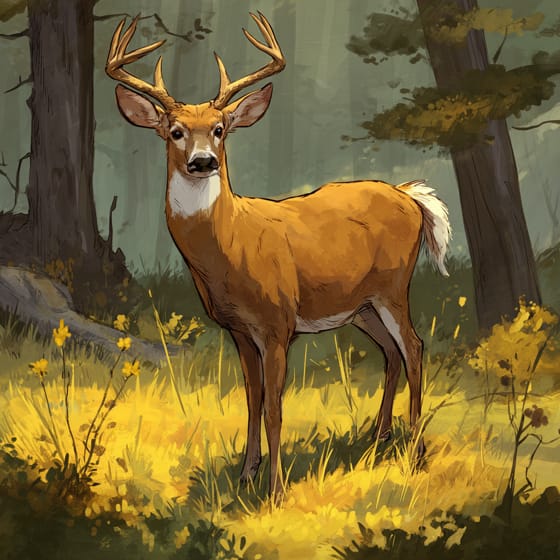
Odocoileus virginianus
Deer browse its needles and twigs, especially in winter.
Ursus americanus
Black bears sometimes den within hollows of old hemlock trees.

Glaucomys sabrinus
These squirrels often nest in the dense canopy of hemlock trees.
Shade tolerant plants are adapted to grow and thrive in areas with low light levels, requiring less direct sunlight.
Coniferous plants are typically evergreen, bearing needles or scales and reproductive cones.
Evergreen plants retain their foliage throughout the year, never shedding all their leaves at once.
This trait signifies organisms belonging to a very old evolutionary group with ancestors dating back millions of years.

Forest habitats are terrestrial environments dominated by dense tree cover, supporting a high diversity of plant and animal life.

This trait characterizes organisms with an exceptionally long lifespan compared to others of their kind.

Toxic organisms contain substances that are poisonous and can cause adverse effects upon exposure.
No aliases listed yet.
Danger
2/5 · Low
Enjoy the beauty of hemlock trees from a safe distance and avoid climbing them.
The easiest way to identify Hemlock is to use the Snappit nature identifier app.
30-50 m
10-15 m
No
60-150 cm
400-800 years
Forests
Cone
Zoom in to split clusters and explore where this object has been snapped.
Recent snaps will appear here as new observations are added.
Take the discovery with you
Snap it with Snappit to identify it, learn what makes it special, and add the discovery to your collection.











