





Hibana
hibana
Hibana is a tiny, colorful insect that loves to flit around flowers! Kids can often spot them buzzing happily in gardens and parks.
Habitat: Hibana live in gardens, meadows, and near water sources.
The Hibana is a strikingly iridescent insect with a slender body, often displaying metallic green and coppery-red hues. Its large, compound eyes are a contrasting emerald green, standing out against its darker head. Its delicate, veined wings are clear but shimmer with a subtle rainbow effect in sunlight.
Category
InsectsRarity
Common
Danger
0/5 · No known danger
Snaps
Be the first to snap!
Despite their small size, Hibana can hover perfectly still in the air for extended periods.
Hibana larvae live underwater, using gills to breathe before transforming into flying adults!
Some Hibana can complete their entire adult life cycle in less than a single week!
The Hibana's vibrant colors are not pigment, but from light reflecting off tiny scales!
Hibana has highly sensitive antennae that help them detect tiny prey movements in the air from a distance.
Hibana can dart and weave at incredible speeds thanks to powerful wing muscles, making them hard to catch.
Hibana possesses enormous compound eyes, giving them a nearly 360-degree field of view to spot predators and prey.
Hibana are swift hunters, catching and eating other small insects in mid-air!
Age differences: Larvae are aquatic predators, feeding on other small aquatic invertebrates.
Culex pipiens
Main food source
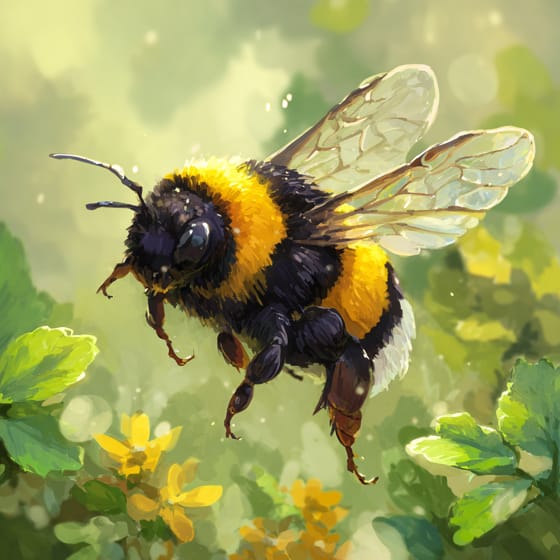
Bombus terrestris
Competes for nectar sources
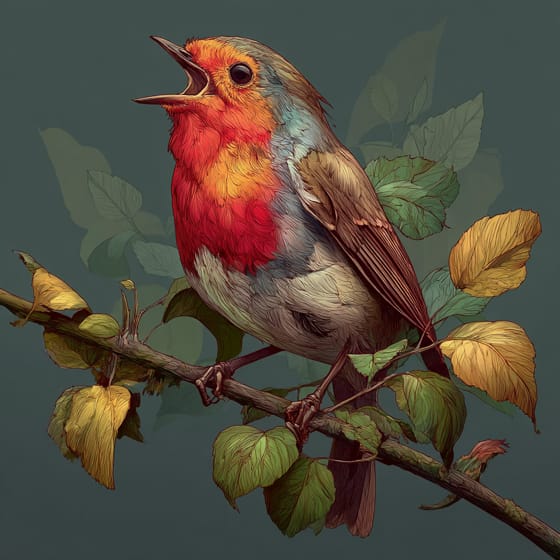
Turdus migratorius
Common avian predator
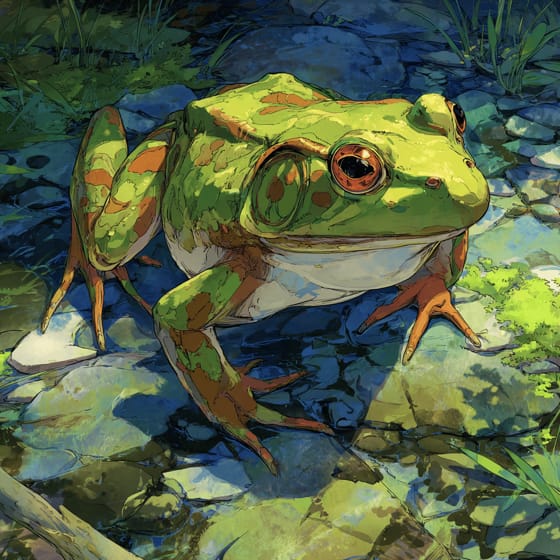
Rana catesbeiana
Preyed upon by frogs
Social animals live in organized groups, cooperating for survival benefits such as foraging, defense, and raising offspring.
Colorful describes organisms or objects displaying a wide range of bright and distinct colors.
This trait characterizes organisms whose diet consists entirely or primarily of plant material.
This trait identifies organisms whose diet consists entirely or primarily of animal tissue.

Diurnal animals are primarily active during daylight hours, typically resting or sleeping at night.

Describes organisms that transfer pollen, enabling the fertilization and reproduction of plants.
Danger
0/5 · No known danger
No special safety notes yet.
The easiest way to identify Hibana is to use the Snappit nature identifier app.
15-30 mm
8-18 mm
45-90 days
8 km/h
Hibana are swift hunters, catching and eating other small insects in mid-air!
Hibana live in gardens, meadows, and near water sources.
Pursuit
Zoom in to split clusters and explore where this object has been snapped.
Recent snaps will appear here as new observations are added.
Take the discovery with you
Snap it with Snappit to identify it, learn what makes it special, and add the discovery to your collection.







.jpg&width=800)



