





Southern Green Stink Bug
Nezara viridula
The Southern Green Stink Bug is a bright green bug that can be found in gardens and fields. It has a funny smell when it feels threatened, which helps keep it safe from predators.
Habitat: Urban areas
The Southern Green Stink Bug is a vibrant apple-green, shield-shaped insect with a broad, flat body. Its underside is often yellowish-green, and it typically has reddish-brown eyes. Its distinct, flat appearance and uniform green color help it blend with foliage.
Category
InsectsRarity
Common
Danger
1/5 · Very low
Snaps
1
Females can lay hundreds of eggs, often in neat rows on plant leaves!
In cooler places, adults hibernate during winter, waking up when it gets warm!
Stink bugs can fly into your house, especially when looking for warmth or shelter!
This bug travels the world, living on every continent except Antarctica!
Southern Green Stink Bug can release a foul-smelling liquid when threatened, because of specialized glands that help them deter predators.
Southern Green Stink Bug has a bright green body that helps them blend perfectly with plant leaves, making them hard to spot.
Southern Green Stink Bug has needle-like mouthparts that help them pierce plants and suck out their nourishing juices.
This bug uses its straw-like mouth to drink juices from many different plants, fruits, and seeds.
Trissolcus basalis
This tiny wasp lays its eggs inside the stink bug's eggs.
Podisus maculiventris
This predatory bug preys on stink bug nymphs and adults.

Solanum lycopersicum
The stink bug feeds on the sap and fruit of this plant.
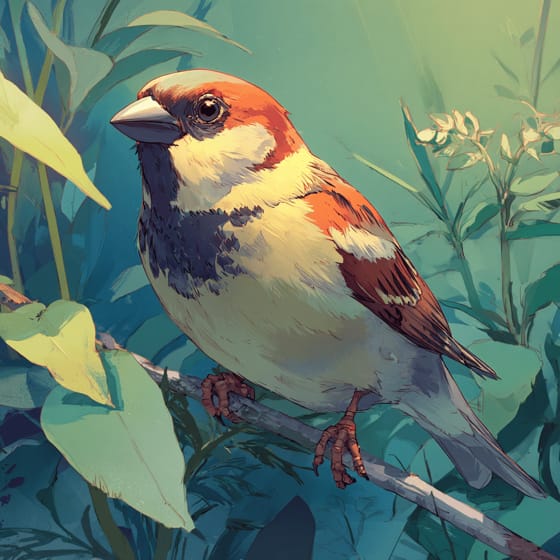
Passer domesticus
Birds like sparrows might eat adult stink bugs.
Solitary animals live alone for most of their lives, only interacting with others for mating or parental care.
Camouflaged describes organisms that possess coloring or patterns that allow them to blend into their environment.
This trait characterizes organisms whose diet consists entirely or primarily of plant material.
Diurnal animals are primarily active during daylight hours, typically resting or sleeping at night.

This habitat trait indicates species that can coexist with humans in urban and suburban environments, utilizing man-made structures and green spaces.

Describes organisms that transfer pollen, enabling the fertilization and reproduction of plants.
No aliases listed yet.
Danger
1/5 · Very low
Don't touch bugs you find outside, as some may bite or smell bad!
The easiest way to identify Southern Green Stink Bug is to use the Snappit nature identifier app.
12-17 mm
60-120 days
This bug uses its straw-like mouth to drink juices from many different plants, fruits, and seeds.
Urban areas
Foraging
6
Zoom in to split clusters and explore where this object has been snapped.
Take the discovery with you
Snap it with Snappit to identify it, learn what makes it special, and add the discovery to your collection.








.jpg&width=800)




