





hogweed
Heracleum sphondylium
Hogweed is a tall plant with big, white flowers that look like umbrellas! It grows in fields and along roadsides, making it easy to spot in nature.
Habitat: Grasslands
The hogweed has stout, often reddish-purple stems and large, deeply lobed leaves resembling a hand. Its flowers form striking flat-topped clusters of small white or pinkish-white blossoms, resembling an umbrella. It can grow much taller than a person.
Category
PlantsRarity
Common
Danger
3/5 · Moderate
Snaps
Be the first to snap!
Even ancient Romans recorded using hogweed as a food source and herbal remedy.
Hogweed can produce thousands of seeds from just one plant, ensuring it pops up everywhere!
Its name "hogweed" comes from pigs, who love to eat its tasty roots and leaves!
The plant’s thick, hollow stems were sometimes used to make simple flutes by kids long ago!
Hogweed sap contains chemicals that make skin extra sensitive to sunlight, causing a rash. This helps it deter hungry animals.
This plant produces thousands of flat, oval seeds that are easily carried by wind or water, helping it spread quickly.
Hogweed grows very tall very fast, helping it grab more sunlight than shorter plants around it.
Apis mellifera
Vital for spreading pollen between hogweed plants.
Vanessa atalanta
Feeds on nectar, helping to pollinate.
Agonopterix heracleana
Its caterpillars feed on hogweed leaves and seeds.
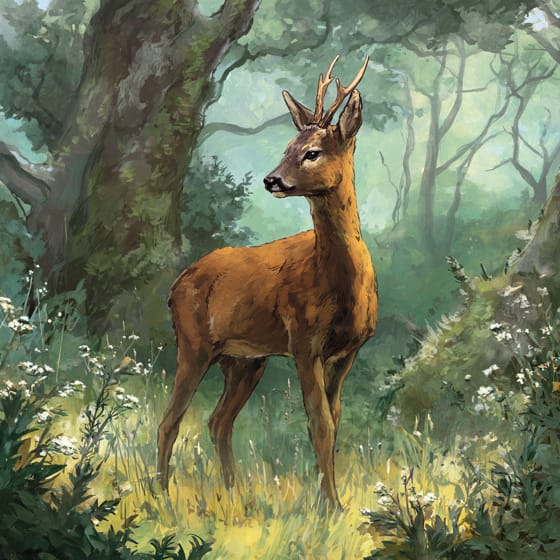
Capreolus capreolus
Deer occasionally browse on hogweed foliage.
Flowering plants are any plants that produce flowers as part of their reproductive cycle.
Biennial plants complete their life cycle over two growing seasons, typically forming foliage in the first year and flowering/seeding in the second.
Cluster flowers are inflorescences where individual flowers are arranged closely together on a common stem.
Edible plants are those parts of a plant that are considered safe for human consumption.

Grassland habitats are terrestrial biomes dominated by grasses and herbaceous plants, supporting a variety of grazing animals.

Describes plants that are particularly attractive and beneficial to a wide range of pollinating organisms.

Giant describes organisms or objects of significantly larger size than average for their species or type.

Invasive species are non-native organisms that cause harm to the environment, economy, or human health.
Danger
3/5 · Moderate
Be careful not to touch hogweed, as its sap can cause skin irritation.
The easiest way to identify hogweed is to use the Snappit nature identifier app.
50-200 cm
30-100 cm
10-20 cm
Summer
No
Mild
Biennial
Zoom in to split clusters and explore where this object has been snapped.
Recent snaps will appear here as new observations are added.
Take the discovery with you
Snap it with Snappit to identify it, learn what makes it special, and add the discovery to your collection.







.jpg&width=800)


_001.jpg&width=800)



