





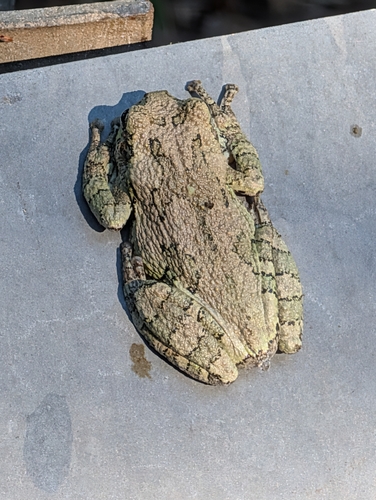
Wood Frog

The Dayville Historic District is a captivating journey into 19th-century New England.
The Dayville Historic District is a captivating journey into 19th-century New England.
This historically significant area in Killingly, Connecticut, offers a remarkably preserved collection of mid-19th-century architecture, retaining the distinctive charm and historical context of a bustling industrial village. It showcases an impressive array of Greek Revival, Italianate, and Queen Anne architectural styles, making it a unique outdoor museum for architectural enthusiasts. Visitors can immerse themselves in the stories of the mill owners, merchants, and builders who shaped this vibrant community.
Key highlights include the stately Dayville Congregational Church, an exemplary Greek Revival structure, and numerous residences displaying elegant details like the temple-front forms of the Captain John Day House and the Alexander Blanchard House. The district also features Italianate gems such as the Warren Potter Mansion with its distinctive bracketed eaves and arched windows, and the Henry Hammond House, a beautiful blend of Italianate and Queen Anne styles. Exploring the linear arrangement of these well-preserved homes and their period outbuildings provides a tangible connection to the past.
Visiting the Dayville Historic District offers a peaceful and educational experience, allowing for a leisurely exploration of its architectural treasures and rich industrial heritage. It’s an ideal destination for those seeking to appreciate historical integrity, intricate craftsmanship, and the enduring legacy of a bygone era in a charming New England setting. The district's cohesive streetscapes and generous spacing between houses evoke the original village atmosphere. Don't forget to bring the Snappit nature identification app along to scan local species.
buffs * Photographers * Cultural explorers * Walkers and leisurely strollers
Take a self-guided walking tour to admire the diverse 19th-century architectural styles, including Greek Revival, Italianate, and Queen Anne. Photograph the intricate details of homes and the church, and imagine life in a thriving industrial village of the past. Look for the surviving outbuildings, such as carriage barns and a well house, which offer glimpses into daily life.
Spring/Summer: Ideal for comfortable walking and enjoying the lush green landscapes.
Fall: Offers stunning fall foliage, creating a picturesque backdrop for the historic buildings.
Winter: While possibly cold, a fresh snowfall can offer a serene and beautiful perspective on the architecture.
The district is primarily explored on foot along public streets and sidewalks. Visitors should be aware that sidewalks in historic areas can sometimes be uneven. Individual historic buildings are private residences or a church, and interior access may not be available or may be limited.
The Dayville Congregational Church (1846) in Greek Revival style.
Captain John Day House (c. 1845) and Alexander Blanchard House (c. 1845), both notable for their Greek Revival temple-front designs.
The Warren Potter Mansion (1865), showcasing exquisite Italianate features like bracketed eaves and round-arched windows.
The Thomas Sayles House (1866), another fine Italianate example, complete with an original carriage barn.
Each card links to a full Explore page with photos, traits, and fun facts.
Start with the big picture, then zoom in to explore individual wildlife observations around this place.
Wear comfortable shoes suitable for walking, as the best way to experience the district is on foot.
Bring a camera to capture the intricate architectural details and picturesque streetscapes of the historic homes.
Consider researching specific buildings beforehand to enhance your understanding and appreciation of their history and style.
Allow ample time for a leisurely stroll, stopping to admire the unique characteristics of Greek Revival, Italianate, and Queen Anne structures.
Look for the few remaining 19th-century outbuildings, like carriage barns, which offer interesting historical context.
Respect the privacy of residents, as many of the historic buildings are private homes.
May 19, 2026
Photo attribution
no rights reserved
License: CC0 1.0 ↗
Image may be shown cropped inside the card frame.
May 17, 2026
Photo attribution
(c) Deana Tempest Thomas, some rights reserved (CC BY)
License: CC BY 4.0 ↗
Image may be shown cropped inside the card frame.
Jun 19, 2026
Jun 16, 2026
Jun 11, 2026

Maryland, US
You might spot White-Tailed Deer and Eastern Gray Squirrel.
View guide →
.jpg)
District of Columbia, US
You might spot Eastern Gray Squirrel, Duck, and House Sparrow.
View guide →

Illinois, US
You might spot American Robin, Canada Goose, and House Sparrow.
View guide →

Virginia, US
You might spot Spotted Lanternfly and Northern Cardinal.
View guide →
Take the discovery with you
Identify the wildlife you spot, learn as you go, and keep a collection of the adventure.














































.jpg&width=800)
