_male.jpg&width=800)





Holly Blue
Celastrina argiolus
The Holly Blue is a small, beautiful butterfly with bright blue wings. It loves to flutter around gardens and woodlands, bringing joy to everyone who sees it.
Habitat: Woodlands
The Holly Blue is a small, vibrant butterfly. Males boast brilliant sky-blue upper wings, while females have similar blue wings with distinct broad black borders on their forewings. Both sexes feature pale silvery-blue or white underwings, usually unmarked or with very tiny, sparse black dots, which helps distinguish them.
Category
InsectsRarity
Common
Danger
1/5 · Very low
Snaps
1
Holly Blues overwinter as pupae, hidden away until spring arrives!
Its caterpillars start by eating flower buds, then switch to fruits as they grow!
The first generation's caterpillars often feast on holly, while the second prefers ivy!
These butterflies can have two or even three generations born in a single year!
Holly Blue has pale, unmarked underwings that help them blend against the sky, making them harder for predators to spot.
Holly Blue can lay eggs directly inside flower buds, providing immediate shelter and food for their caterpillars when they hatch.
Holly Blue caterpillars have special glands that secrete sugary fluid, attracting ants that protect them from predators.
Caterpillars munch on plant buds and fruits, while adult butterflies sip on flower nectar.
Age differences: Caterpillars eat flower buds and fruits; adults feed on nectar from flowers.
Ilex aquifolium
Caterpillars often feed on holly buds.
Hedera helix
Later generations of caterpillars prefer ivy.
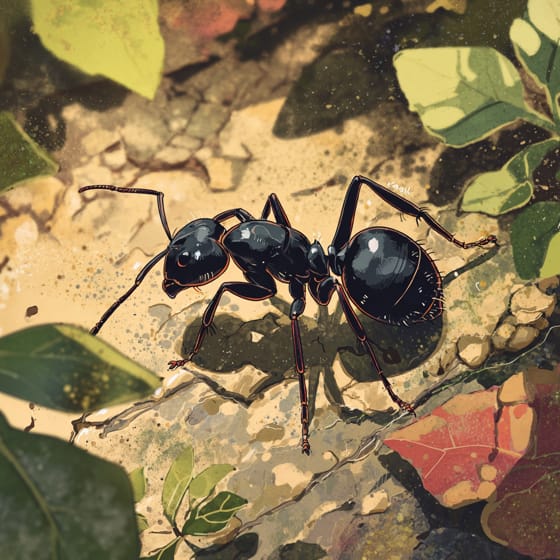
Lasius niger
Ants protect caterpillars for honeydew.
%2C_Parc_de_Woluw%C3%A9%2C_Brussels_(13042792905).jpg&width=800)
Parus major
Adults and caterpillars are prey for birds.
_Clock_-_Tennessee%2C_USA_-_May_31%2C_2014.jpg&width=800)
Taraxacum officinale
Adults visit flowers for nectar, aiding pollination.
Solitary animals live alone for most of their lives, only interacting with others for mating or parental care.
Colorful describes organisms or objects displaying a wide range of bright and distinct colors.
This trait characterizes organisms whose diet consists entirely or primarily of plant material.
Describes plants that are particularly attractive and beneficial to a wide range of pollinating organisms.

Forest habitats are terrestrial environments dominated by dense tree cover, supporting a high diversity of plant and animal life.

Diurnal animals are primarily active during daylight hours, typically resting or sleeping at night.

Describes organisms that transfer pollen, enabling the fertilization and reproduction of plants.
Danger
1/5 · Very low
Butterflies are safe to watch, but it's best to look without touching them.
The easiest way to identify Holly Blue is to use the Snappit nature identifier app.
26-34 mm
10-15 mm
7-21 days
Caterpillars munch on plant buds and fruits, while adult butterflies sip on flower nectar.
Woodlands
Foraging
6
Zoom in to split clusters and explore where this object has been snapped.
Take the discovery with you
Snap it with Snappit to identify it, learn what makes it special, and add the discovery to your collection.








.jpg&width=800)


