.jpg&width=800)





Hook-streaked Grass-veneer
Crambus lathoniellus
The Hook-streaked Grass-veneer is a small, colorful moth that loves to flutter around grassy areas. Its unique hook-shaped markings make it easy to spot among the grass.
Habitat: Grasslands
The Hook-streaked Grass-veneer has pale straw-yellow or brownish forewings marked with a distinct white stripe bordered by dark lines. A unique 'hook' shape or zigzag pattern is visible near the wing tips, helping it blend perfectly with dried grasses.
Category
InsectsRarity
Common
Danger
1/5 · Very low
Snaps
1
Adult Hook-streaked Grass-veneers don't eat solid food; they mostly sip nectar from flowers or even just dew!
Even though it's a moth, it sometimes flies during the day, especially if disturbed from its grassy hiding spot.
Its caterpillar stage is called a 'sod webworm' because it lives and feeds within grass roots!
Some scientists believe the 'hook' pattern on its wings might confuse predators, making it harder to catch!
Hook-streaked Grass-veneer has forewings patterned with stripes and a 'hook' that helps them disappear amongst dry grass stems.
Hook-streaked Grass-veneer larvae can tunnel through soil to eat plant roots because of their strong mandibles, helping them grow.
Hook-streaked Grass-veneer can fly accurately in the dark, using special antennae to detect scents and find flowers for nectar.
Hook-streaked Grass-veneer can sip tiny dew droplets from leaves, which helps them stay hydrated when flowers are scarce.
Larvae munch on grass roots underground, while adult moths enjoy sipping sweet flower nectar.
Age differences: Larvae feed on grass roots; adults feed on nectar.
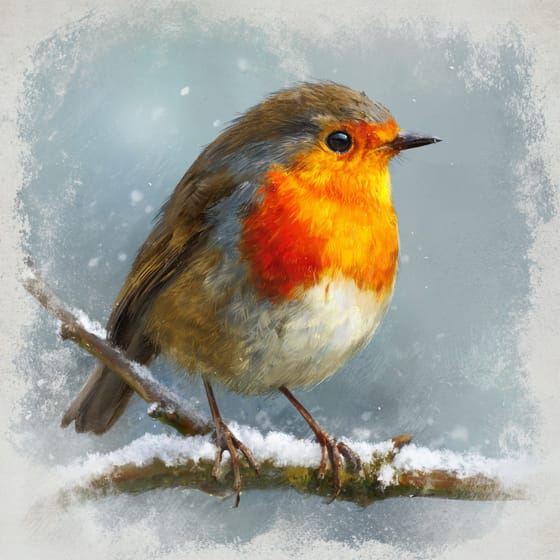
Erithacus rubecula
Adult moths can become a meal for birds.
Pipistrellus pipistrellus
Bats hunt adult moths during their night flights.
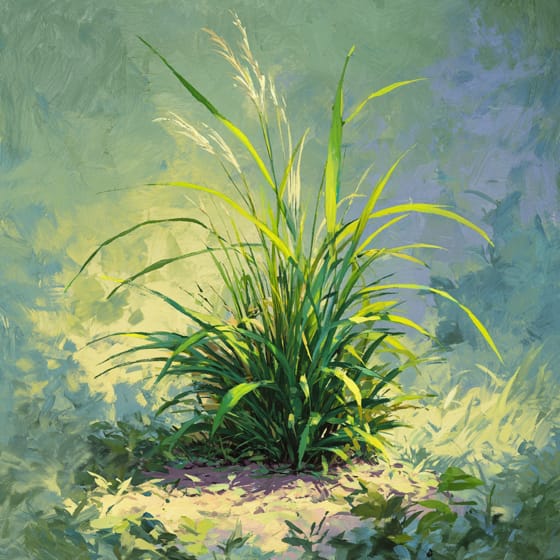
Poa pratensis
Larvae feed on the roots of this common grass.

Trifolium pratense
Adults sip nectar from its flowers for energy.
Solitary animals live alone for most of their lives, only interacting with others for mating or parental care.
Camouflaged describes organisms that possess coloring or patterns that allow them to blend into their environment.
Colorful describes organisms or objects displaying a wide range of bright and distinct colors.
Grassland habitats are terrestrial biomes dominated by grasses and herbaceous plants, supporting a variety of grazing animals.

This trait characterizes organisms whose diet consists entirely or primarily of plant material.

Describes plants that are particularly attractive and beneficial to a wide range of pollinating organisms.

Nocturnal animals are primarily active during the nighttime hours, typically resting or sleeping during the day.

Describes organisms that transfer pollen, enabling the fertilization and reproduction of plants.
No aliases listed yet.
Danger
1/5 · Very low
Moths are usually harmless, but it's best to watch them from a distance.
The easiest way to identify Hook-streaked Grass-veneer is to use the Snappit nature identifier app.
18-24 mm
8-12 mm
10-20 days
8 km/h
Larvae munch on grass roots underground, while adult moths enjoy sipping sweet flower nectar.
Grasslands
Foraging
Zoom in to split clusters and explore where this object has been snapped.
Take the discovery with you
Snap it with Snappit to identify it, learn what makes it special, and add the discovery to your collection.








.jpg&width=800)



