





Hooker's Pussytoes
Antennaria racemosa
Hooker's Pussytoes are small, fuzzy plants that grow close to the ground. They have soft, gray-green leaves and pretty white flowers that look like little stars in the grass!
Habitat: Mountain regions
The Hooker's Pussytoes has low-growing, woolly gray-green leaves and stems. Its distinctive white flower clusters, resembling tiny cat's paws, emerge on upright stalks, making it easily distinguishable from other low-lying plants by its fuzzy appearance.
Category
PlantsRarity
Common
Danger
1/5 · Very low
Snaps
Be the first to snap!
Its seeds have tiny parachutes, helping them fly far away on the wind!
Some pussytoes plants only produce male flowers, while others only make female flowers!
The 'pussytoes' part of its name comes from its soft, fuzzy flower clusters!
This tough plant can thrive in poor, rocky soils where few other plants can grow.
Hooker's Pussytoes has tiny hairs on its leaves, which help it save water and survive in very dry places.
It can grow new plants from its roots, allowing it to quickly spread and cover large areas like a living carpet.
Its light-colored, woolly leaves reflect sunlight, protecting the plant from intense sun and heat.
Bombus mixtus
Collects nectar and pollen from flowers.
Vanessa cardui
Visits flowers for nectar, aiding reproduction.
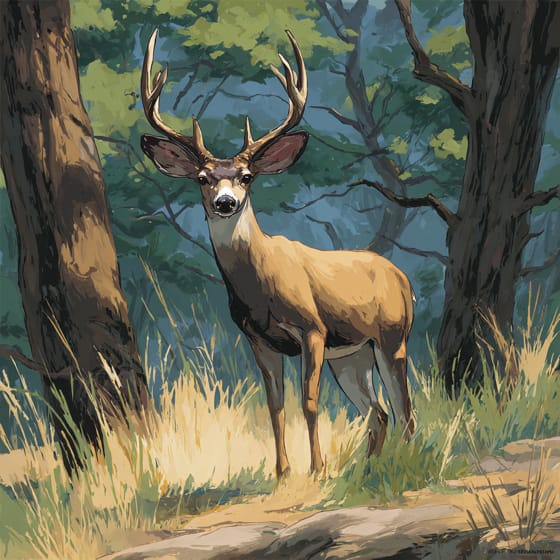
Odocoileus hemionus
Browses on the leaves and stems of the plant.
Furry describes animals possessing a dense covering of soft hair or fur.
Flowering plants are any plants that produce flowers as part of their reproductive cycle.
Spring blooming plants produce their flowers during the spring season, often signifying the end of winter and the start of new growth.
Cold hardy plants are able to withstand low temperatures and freezing conditions without significant damage.

Describes plants that are particularly attractive and beneficial to a wide range of pollinating organisms.

This habitat trait identifies species found in mountainous regions, characterized by high elevation, steep slopes, and varying climate zones.
No aliases listed yet.
Danger
1/5 · Very low
Always look but don't touch wild plants unless a grown-up says it's okay.
The easiest way to identify Hooker's Pussytoes is to use the Snappit nature identifier app.
10-40 cm
15-60 cm
0.5-1.5 cm
Late Spring to Mid-Summer
No
None
Perennial
Zoom in to split clusters and explore where this object has been snapped.
Recent snaps will appear here as new observations are added.
Take the discovery with you
Snap it with Snappit to identify it, learn what makes it special, and add the discovery to your collection.




.jpg)




.jpg&width=800)



_001.jpg&width=800)




