





Horse-Fly Carpenter Bee
xylocopa tabaniformis
The Horse-Fly Carpenter Bee is a large, buzzing insect that loves to visit flowers. With its shiny body and powerful wings, it can fly really fast and is important for pollinating plants!
Habitat: They live in gardens, woodlands, and areas with plenty of flowers.
The Horse-Fly Carpenter Bee is a large, robust bee often mistaken for a horsefly due to its dark, somewhat hairy body and relatively broad head. It typically has a black or dark metallic blue-green body with smoky wings, lacking the bright yellow stripes common in many other bees.
Category
InsectsRarity
Common
Danger
1/5 · Very low
Snaps
4
Adult Horse-Fly Carpenter Bees can live for over a year, surviving through winter by hibernating!
Male Horse-Fly Carpenter Bees cannot sting, so you can watch them buzz safely from afar!
These amazing bees get their name 'carpenter' because they build impressive, custom nests inside wood!
They don't eat the wood they tunnel into; it's just a cozy, custom-built home for their babies!
Horse-Fly Carpenter Bee can tunnel into wood because of its powerful mandibles that helps them create safe, custom nests for their young.
Horse-Fly Carpenter Bee has fuzzy bodies that helps them efficiently carry pollen between flowers, playing a vital role in plant reproduction.
Horse-Fly Carpenter Bee can 'buzz' certain flowers using sonication, that helps them release stubborn pollen for collection.
These bees drink nectar from flowers for energy and collect pollen to feed their growing babies.
Age differences: Larvae feed on stored pollen and nectar, while adults consume nectar and pollen directly from flowers.
Cercis canadensis
An important pollinator for this native flowering tree.

Passiflora incarnata
Helps in the reproduction of this distinct vining plant.
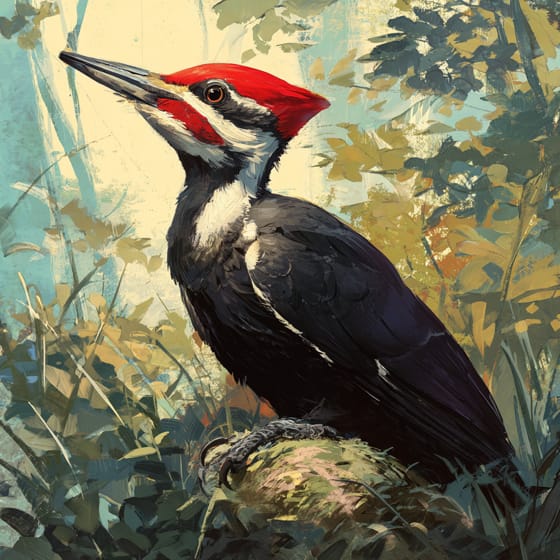
Dryocopus pileatus
Woodpeckers can sometimes extract larvae from their wooden nests.
Solitary animals live alone for most of their lives, only interacting with others for mating or parental care.
Colorful describes organisms or objects displaying a wide range of bright and distinct colors.
Diurnal animals are primarily active during daylight hours, typically resting or sleeping at night.
Nocturnal animals are primarily active during the nighttime hours, typically resting or sleeping during the day.

Describes organisms that transfer pollen, enabling the fertilization and reproduction of plants.
No aliases listed yet.
Danger
1/5 · Very low
No special safety notes yet.
The easiest way to identify Horse-Fly Carpenter Bee is to use the Snappit nature identifier app.
30-50 mm
15-25 mm
30-365 days
20 km/h
These bees drink nectar from flowers for energy and collect pollen to feed their growing babies.
They live in gardens, woodlands, and areas with plenty of flowers.
Foraging
Zoom in to split clusters and explore where this object has been snapped.

California, US
You might spot Sequoia, California Newt, and Pacific Dogwood.
View guide →

California, US
You might spot Horse-Fly Carpenter Bee and Anna's Hummingbird.
View guide →

California, US
You might spot Horse-Fly Carpenter Bee and Anna's Hummingbird.
View guide →

California, US
You might spot Horse-Fly Carpenter Bee and Anna's Hummingbird.
View guide →
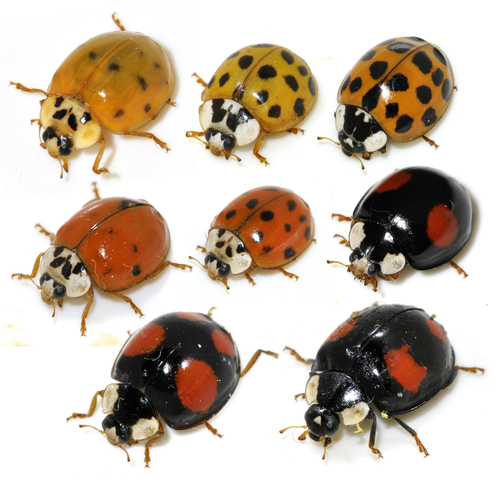
Texas, US
You might spot Asian Lady Beetle and American Bumble Bee.
View guide →
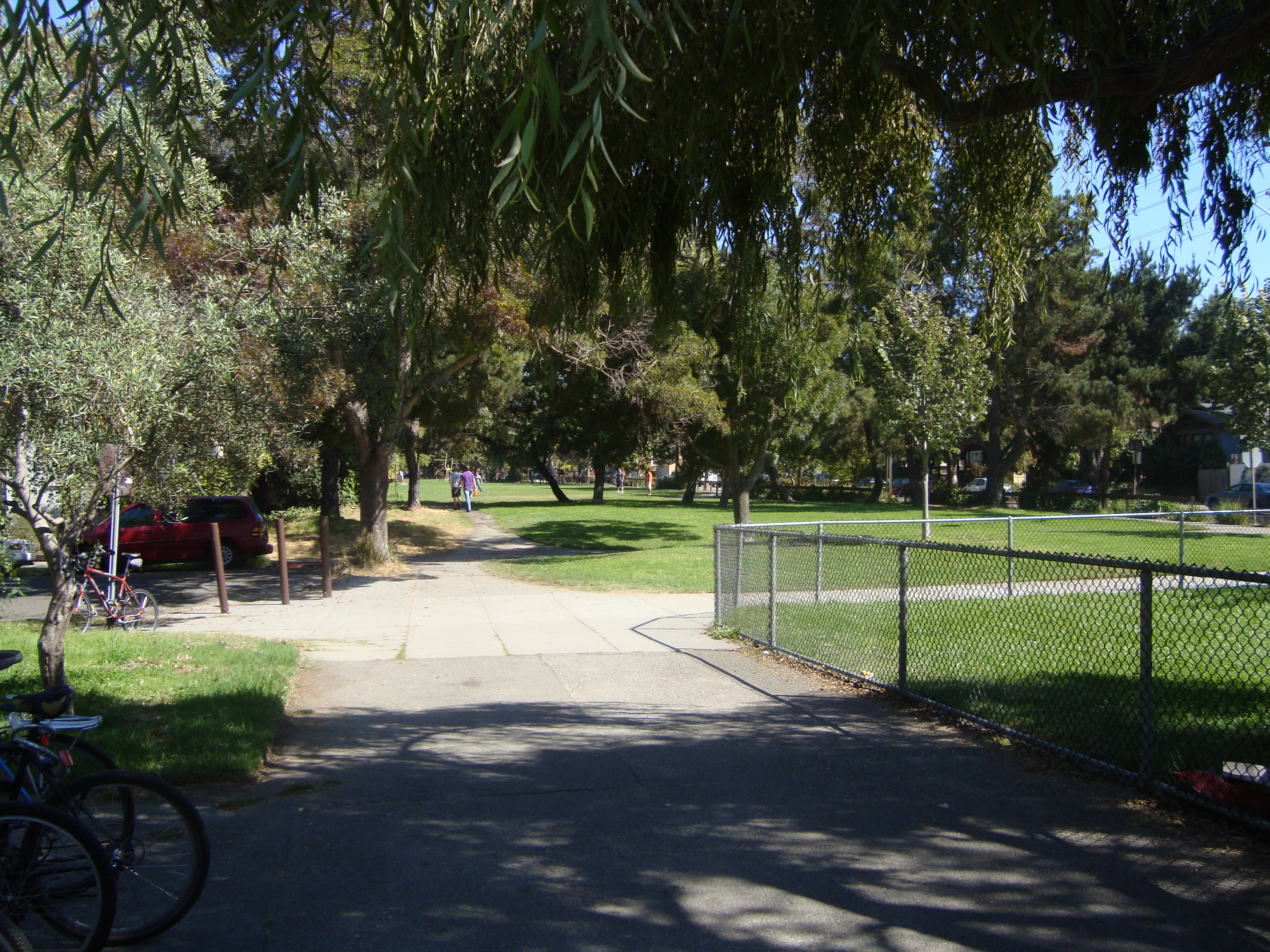
California, US
You might spot Bee, Monarch, and Anna's Hummingbird.
View guide →
Take the discovery with you
Snap it with Snappit to identify it, learn what makes it special, and add the discovery to your collection.








.jpg&width=800)



