





purple passionflower
Passiflora incarnata
The purple passionflower is a beautiful flower with unique shapes and colors. It has lovely purple petals and a special fruit that many animals enjoy eating.
Habitat: Grasslands
The purple passionflower has incredibly intricate, star-like flowers with white petals, purple-pink filaments in a wavy corona, and distinct yellow stamens and pistils. This fast-growing vine uses curly tendrils to climb, often covering fences and other plants.
Category
PlantsRarity
Common
Danger
1/5 · Very low
Snaps
2
Its flower's parts symbolize elements of the Christian passion story!
Some people brew its leaves into a soothing herbal tea!
The delicious, tangy fruit is packed with healthy vitamins!
This amazing plant can grow up to 20 feet in a single season!
Purple passionflower can sprout curly tendrils that wrap around supports, helping it climb high to reach sunlight.
This plant contains compounds that have a calming effect, traditionally used to help people relax and sleep.
Its large, complex flowers are perfectly shaped to attract big bees, ensuring efficient pollen transfer.
It acts as a nursery for Gulf Fritillary butterfly caterpillars, providing their essential food source.
Heliconius pascoensis
Larvae munch its leaves to grow.

Xylocopa virginica
Large bees are ideal for its unique flowers.
Apis mellifera
Bees gather nectar, helping spread pollen.
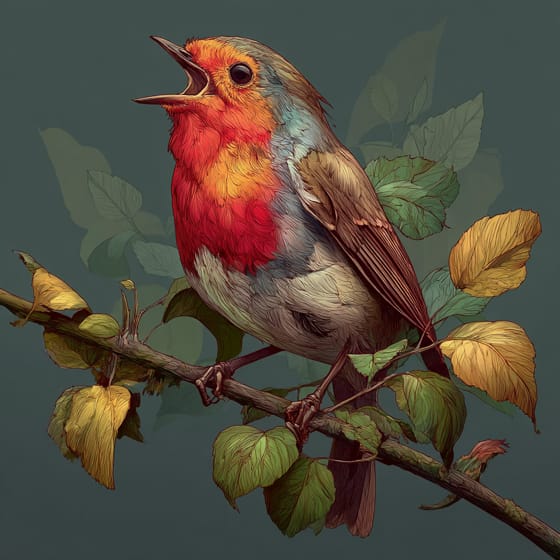
Turdus migratorius
Birds enjoy its ripe, sweet fruits.
Flowering plants are any plants that produce flowers as part of their reproductive cycle.
Summer blooming plants produce their flowers during the summer season, often providing vibrant color when many other plants have finished.
Fragrant flowers emit a pleasant aroma, often to attract pollinators or for defense.
Fruit-bearing plants produce fruits, which are the mature ovaries of flowering plants containing seeds.

This human use trait describes species cultivated or domesticated by humans for agricultural purposes, including crops and livestock.

Edible plants are those parts of a plant that are considered safe for human consumption.

Grassland habitats are terrestrial biomes dominated by grasses and herbaceous plants, supporting a variety of grazing animals.

Describes plants that are particularly attractive and beneficial to a wide range of pollinating organisms.

Rapid growing plants exhibit accelerated growth rates, quickly increasing in size and biomass within a short period.
Danger
1/5 · Very low
Always look but don't touch the flowers without asking an adult.
The easiest way to identify purple passionflower is to use the Snappit nature identifier app.
300-900 cm
100-300 cm
5-9 cm
Summer to fall
Yes
Mild
Perennial
Zoom in to split clusters and explore where this object has been snapped.

Tennessee, US
You might spot House Sparrow, Northern Mockingbird, and Gulf Fritillary.
View guide →

Georgia, US
You might spot Gulf Fritillary, Anole, and American Beautyberry.
View guide →

South Carolina, US
You might spot Great Blue Heron, Spanish Moss, and Cahaba Lily.
View guide →

South Carolina, US
You might spot Joro Spider, Pickerelweed, and Great Blue Heron.
View guide →

Georgia, US
You might spot Joro Spider, American Sweetgum, and American Tuliptree.
View guide →

Texas, US
You might spot Brown Anole, Gulf Fritillary, and Pond Slider.
View guide →
Take the discovery with you
Snap it with Snappit to identify it, learn what makes it special, and add the discovery to your collection.








.jpg&width=800)


_001.jpg&width=800)



