




Polietes
Polietes
Polietes are small flies that are often found buzzing around in gardens and parks. They play an important role in nature by helping to break down waste and pollinate plants.
Habitat: Urban areas
The Polietes is a medium-sized fly, typically grey to black, sometimes with a subtle metallic sheen. It often has noticeable bristles on its body and legs, giving it a somewhat robust appearance compared to smaller, smoother flies. Its wings are clear with distinct veins.
Category
InsectsRarity
Common
Danger
1/5 · Very low
Snaps
Be the first to snap!
A Polietes fly can beat its wings hundreds of times every second!
Polietes can see almost all around them at once, thanks to their amazing eyes!
Some flies can lay hundreds of tiny eggs in her lifetime, helping new flies grow!
They rub their legs together like tiny acrobats, cleaning off dust and grime!
Polietes can perform lightning-fast maneuvers in flight because of small, club-shaped halteres that help them balance.
Polietes has large compound eyes, packed with thousands of lenses, that help them detect movement from almost every direction.
Polietes can taste food simply by landing on it with specialized receptors on their feet that help them find yummy meals.
Polietes larvae are important decomposers, feeding on decaying organic matter that helps recycle nutrients back into the soil.
Adult Polietes enjoy sugary liquids like nectar, while their young munch on decaying plants and fungi!
Age differences: Adults feed on liquids like nectar and sap, while larvae consume solid decaying organic matter.
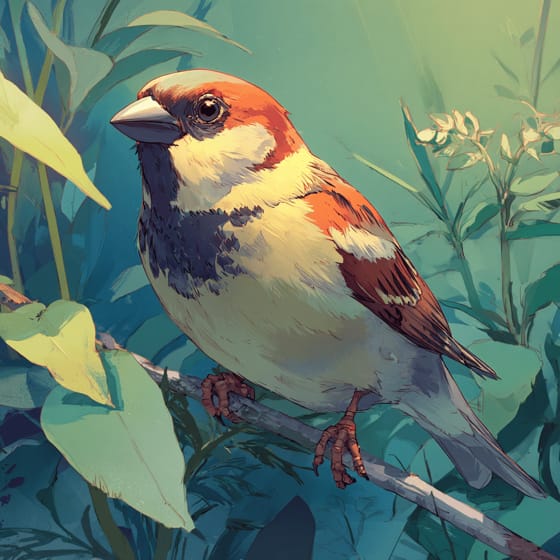
Passer domesticus
Adult Polietes flies are a food source for these birds.
_Clock_-_Tennessee%2C_USA_-_May_31%2C_2014.jpg&width=800)
Taraxacum officinale
Adult flies visit these flowers, helping to spread pollen.
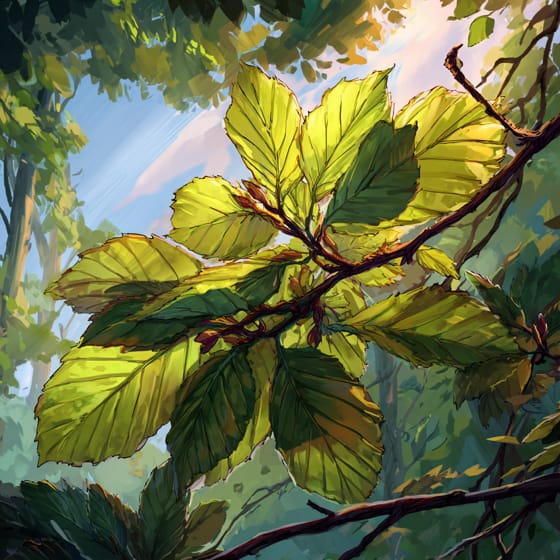
Fagus sylvatica
Larvae feed on the decaying leaves and wood of these trees.

Muscicapa striata
This bird actively catches adult flies in flight for food.
Social animals live in organized groups, cooperating for survival benefits such as foraging, defense, and raising offspring.
This trait identifies organisms whose diet includes both plant and animal matter.
Scavengers consume dead organic matter, helping to decompose carcasses and other waste in the ecosystem.
Colorful describes organisms or objects displaying a wide range of bright and distinct colors.

Describes plants that are particularly attractive and beneficial to a wide range of pollinating organisms.

Describes organisms that break down dead organic material, recycling nutrients back into the ecosystem.

Diurnal animals are primarily active during daylight hours, typically resting or sleeping at night.

This habitat trait indicates species that can coexist with humans in urban and suburban environments, utilizing man-made structures and green spaces.

Describes organisms that transfer pollen, enabling the fertilization and reproduction of plants.
No aliases listed yet.
Danger
1/5 · Very low
It's best to watch flies from a distance and not touch them.
The easiest way to identify Polietes is to use the Snappit nature identifier app.
10-20 mm
5-10 mm
30-60 days
5-15 km/h
Adult Polietes enjoy sugary liquids like nectar, while their young munch on decaying plants and fungi!
Urban areas
Foraging
Zoom in to split clusters and explore where this object has been snapped.
Recent snaps will appear here as new observations are added.
Take the discovery with you
Snap it with Snappit to identify it, learn what makes it special, and add the discovery to your collection.








.jpg&width=800)



