





Hudsonian Emerald
somatochlora hudsonica
The Hudsonian Emerald is a stunning dragonfly with bright green and golden colors! It flits around wetlands, adding a touch of magic to the air as it hunts for tiny insects.
Habitat: Freshwater wetlands, lakes, and ponds.
The Hudsonian Emerald has striking emerald-green eyes that meet in the middle and a dark, metallic green body that can appear bronze in certain light. Its wings are clear, sometimes with a faint brownish tinge near the base, and its abdomen is slender, marked with subtle yellow spots.
Category
InsectsRarity
Common
Danger
0/5 · No known danger
Snaps
Be the first to snap!
Dragonflies catch prey mid-air with their legs, often eating it while still flying without landing!
Its larva lives underwater for up to three years before transforming into a flying adult!
The 'emerald' in their name refers to their dazzling green eyes, not just their body color!
Underwater, young emeralds breathe through gills located inside their rectum, often expelling water for propulsion!
Hudsonian Emeralds can hover, fly backward, and change direction instantly because of their two pairs of powerful, independently moving wings.
Hudsonian Emeralds have massive compound eyes that give them nearly 360-degree vision, helping them spot tiny prey in mid-flight.
Hudsonian Emeralds have spiky legs that form a basket to scoop flying insects right out of the air while hunting.
A fierce hunter, it snacks on small flying insects from mosquitoes to midges!
Age differences: Larvae are aquatic predators, eating tiny invertebrates; adults hunt flying insects in the air.
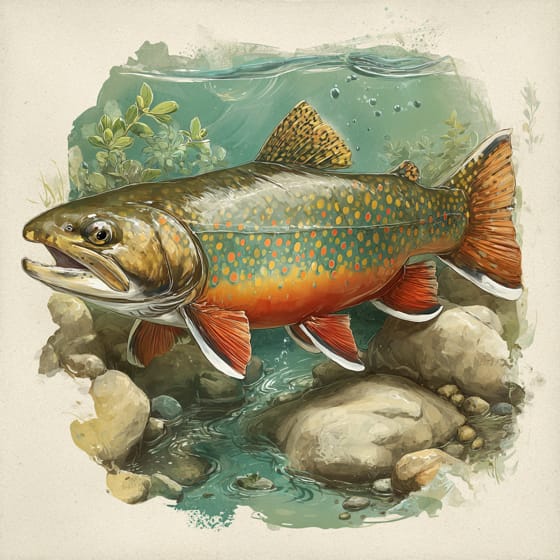
Salvelinus fontinalis
Fish eat larval Hudsonian Emeralds living underwater.
Culex pipiens
Adult emeralds are important predators of mosquitoes.
.jpg&width=800)
Tyrannus tyrannus
Birds like kingbirds snatch adult dragonflies from the air.
Colorful describes organisms or objects displaying a wide range of bright and distinct colors.
This trait identifies organisms whose diet consists entirely or primarily of animal tissue.
Diurnal animals are primarily active during daylight hours, typically resting or sleeping at night.
Aquatic habitats encompass environments where organisms live predominantly in water, including oceans, rivers, lakes, and wetlands.

Describes organisms that transfer pollen, enabling the fertilization and reproduction of plants.
Danger
0/5 · No known danger
No special safety notes yet.
The easiest way to identify Hudsonian Emerald is to use the Snappit nature identifier app.
60-80 mm
45-55 mm
30-90 days
30 km/h
A fierce hunter, it snacks on small flying insects from mosquitoes to midges!
Freshwater wetlands, lakes, and ponds.
Pursuit
Zoom in to split clusters and explore where this object has been snapped.
Recent snaps will appear here as new observations are added.
Take the discovery with you
Snap it with Snappit to identify it, learn what makes it special, and add the discovery to your collection.








.jpg&width=800)



