





Canada Goose

Tom S. Cooperrider-Kent Bog State Nature Preserve offers a remarkable journey into an Ice Age landscape.
This captivating nature preserve in Ohio protects one of the most significant glacial relicts in the continental United States: a kettle-hole bog. What makes Kent Bog truly special is its unique ecosystem, hosting the largest and southernmost stand of Tamarack trees, alongside a fascinating array of northern plants and specialized bog inhabitants. Visitors can immerse themselves in a landscape that feels more like Canada than Ohio, providing a rare glimpse into the region's ancient past and the enduring power of nature.
The preserve features an easily navigable, accessible boardwalk that winds through this distinctive habitat. Along this path, you'll encounter a rich diversity of flora, from the ghostly-barked Gray Birch and vibrant Highbush Blueberries to the delicate Sphagnum mosses that form the bog's foundation. Keep an eye out for rare and intriguing species like the carnivorous Pitcher Plant and Round-leaved Sundew, as well as several types of orchids. Birdwatchers will delight in the presence of various migratory and resident species, including Ruby-crowned Kinglets, Golden-crowned Kinglets, and Yellow-rumped Warblers.
Tom S. Cooperrider-Kent Bog State Nature Preserve is an unforgettable destination for anyone seeking tranquility, natural beauty, and a tangible connection to Ohio's geological and ecological heritage. Whether you're a keen botanist, a birding enthusiast, or simply looking for a peaceful and educational stroll, the preserve offers a unique and memorable experience throughout the seasons. Turn your visit into a safari! Use the Snappit app to scan and log wildlife sightings here.
The Tom S. Cooperrider-Kent Bog State Nature Preserve is a living relic of the last Ice Age, formed approximately 12,000 years ago during the retreat of the Wisconsin Glacier. A massive block of ice calved from the glacier was buried in sediment, eventually melting to create a deep, 50-acre kettle-hole lake. Over thousands of years, this lake gradually transformed into a bog meadow as a floating mat of Sphagnum moss and other specialized bog plants colonized and filled the basin with peat. The preserve is named in honor of Tom S. Cooperrider, a distinguished botanist from Kent State University, who significantly contributed to the understanding of Ohio's natural history and mentored many in the field. Dedicated in 1973, the preserve serves as a testament to local support for preserving this unique and ecologically fragile environment.
Walk the easy boardwalk trail, read educational signage about the bog's formation and unique species, engage in birdwatching, and practice nature photography.
Prepare for mosquitoes and other insects during warmer months; insect repellent is highly recommended. In winter, the boardwalk may be covered in snow, but the trail is still accessible for a peaceful, quiet experience.
The preserve features a well-maintained, virtually level boardwalk trail that is wheelchair and stroller accessible. Benches are provided at intervals along the path for resting.
Witness the largest southernmost stand of these unique deciduous conifers, especially striking in fall.
Observe this northern species thriving at its southern limit.
Search for Pitcher Plants and Round-leaved Sundews, adapted to the bog's nutrient-poor conditions.
Learn about the foundational role of this moss in bog formation.
Each card links to a full Explore page with photos, traits, and fun facts.










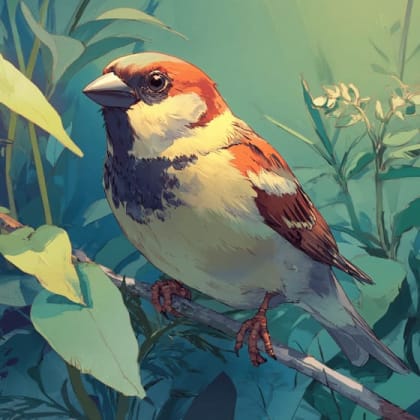









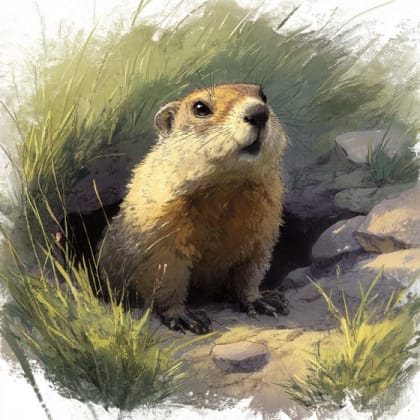






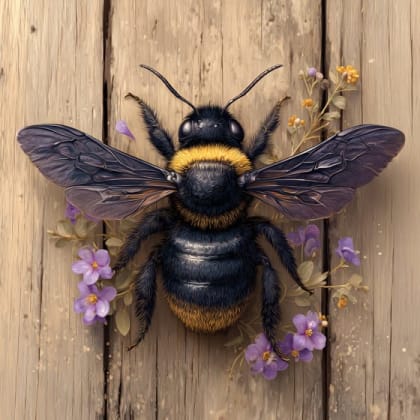














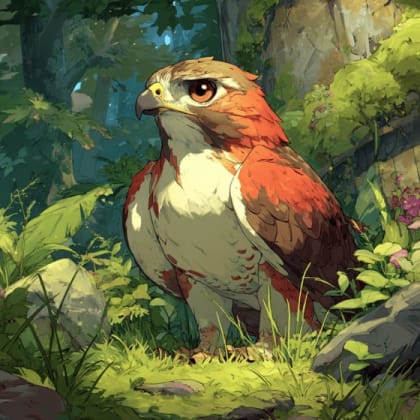



Start with the big picture, then zoom in to explore individual wildlife observations around this place.
Stay on the boardwalk
The bog ecosystem is extremely fragile, so it's crucial to remain on the designated boardwalk trail to protect the delicate plant life.
No pets allowed
To minimize disturbance to wildlife and protect the sensitive habitat, pets are not permitted in the preserve.
Come prepared for insects
Especially during spring and summer, mosquitoes and other biting insects can be present. Bring insect repellent for a more comfortable visit.
No restrooms or water
There are no facilities at the preserve, so plan accordingly by using restrooms before your visit and bringing your own water.
Dress for the weather
The bog can be exposed to elements; check the weather forecast and wear appropriate clothing and comfortable walking shoes.
Visit in fall for color
For a stunning visual experience, plan a visit in autumn to witness the Tamarack trees turn a vibrant golden yellow.
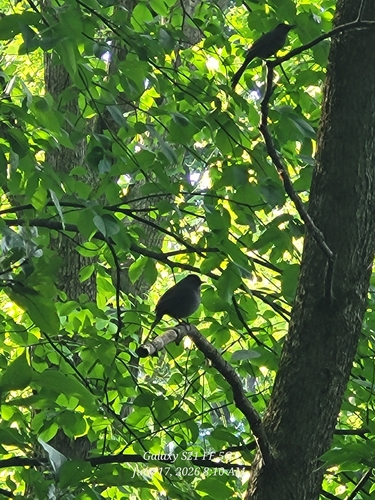
Jun 17, 2026
Photo attribution
no rights reserved
License: CC0 1.0 ↗
Image may be shown cropped inside the card frame.
Jun 17, 2026
Photo attribution
no rights reserved
License: CC0 1.0 ↗
Image may be shown cropped inside the card frame.
Jun 4, 2026
Photo attribution
(c) Summit Metro Parks, some rights reserved (CC BY)
License: CC BY 4.0 ↗
Image may be shown cropped inside the card frame.
Jun 19, 2026
Jun 19, 2026

Maryland, US
You might spot White-Tailed Deer and Eastern Gray Squirrel.
View guide →
.jpg)
District of Columbia, US
You might spot Eastern Gray Squirrel, Duck, and House Sparrow.
View guide →

Illinois, US
You might spot American Robin, Canada Goose, and House Sparrow.
View guide →

Virginia, US
You might spot Spotted Lanternfly and Northern Cardinal.
View guide →
Take the discovery with you
Identify the wildlife you spot, learn as you go, and keep a collection of the adventure.
.jpg&width=800)

