





Hummingbird Sage
salvia spathacea
Hummingbird Sage is a colorful plant that attracts lots of hummingbirds with its bright purple flowers. It's a great plant for kids to learn about how plants help animals and nature!
Habitat: Hummingbird Sage thrives in sunny areas like meadows and gardens.
The Hummingbird Sage has vibrant magenta-pink, tubular flowers that emerge from colorful bracts on upright stalks. Its large, crinkly, bright green leaves are aromatic and grow in a basal clump, often spreading to form a groundcover.
Category
PlantsRarity
Common
Danger
0/5 · No known danger
Snaps
6
Wow! Indigenous people used the plant's leaves for calming teas and to clean their hair, like shampoo!
Wow! Its bright flowers are shaped like perfect tiny straws, just right for a hummingbird's long beak!
Wow! The leaves smell like pineapple or fruit loops when you rub them, keeping nibbling animals away!
Wow! This plant grows super fast after a wildfire, quickly re-covering burned ground with fresh green leaves!
Hummingbird Sage can produce abundant nectar in its bright flowers that guide hummingbirds to a sweet treat.
Hummingbird Sage has thick, fuzzy leaves that help it conserve precious water in dry environments.
Hummingbird Sage can spread using underground stems, creating a dense colony to prevent erosion.

Calypte anna
sips nectar from flowers
.jpg&width=800)
Selasphorus sasin
feeds on its sweet nectar
Apis mellifera
collects pollen and nectar
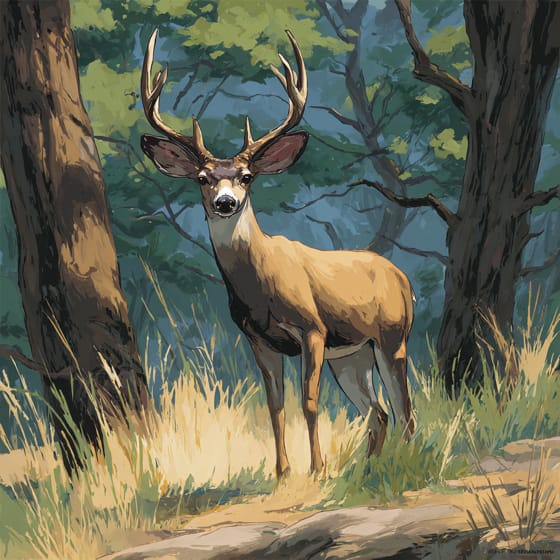
Odocoileus hemionus
browses leaves (less preferred)
Herbaceous plants are non-woody plants with soft stems that typically die back to the ground at the end of the growing season.
Social animals live in organized groups, cooperating for survival benefits such as foraging, defense, and raising offspring.
Colorful describes organisms or objects displaying a wide range of bright and distinct colors.
Diurnal animals are primarily active during daylight hours, typically resting or sleeping at night.

Describes organisms that transfer pollen, enabling the fertilization and reproduction of plants.
Danger
0/5 · No known danger
No special safety notes yet.
The easiest way to identify Hummingbird Sage is to use the Snappit nature identifier app.
30-90 cm
30-90 cm
2-3 cm
Late winter to late spring
Yes
None
Perennial
Zoom in to split clusters and explore where this object has been snapped.

California, US
You might spot Western Fence Lizard and Eastern Fox Squirrel.
View guide →
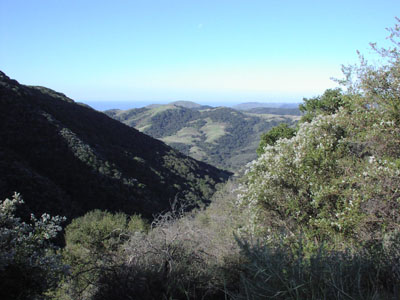
California, US
You might spot Western Fence Lizard and Canyon Sunflower.
View guide →

California, US
You might spot Canyon Sunflower, Cardinal Catchfly, and White Globe Lily.
View guide →

California, US
You might spot Dark-Eyed Junco and Eastern Fox Squirrel.
View guide →

California, US
You might spot Western Fence Lizard and Acorn Woodpecker.
View guide →
Take the discovery with you
Snap it with Snappit to identify it, learn what makes it special, and add the discovery to your collection.









.jpg&width=800)



_001.jpg&width=800)




