





juniper haircap moss
Polytrichum juniperinum
Juniper haircap moss is a soft, green plant that grows in clumps. It loves to live in cool, shady places and can be found in forests and on rocks. This moss helps keep the soil healthy and provides a cozy home for tiny creatures.
Habitat: Forests
The juniper haircap moss has stiff, pointed, dark green leaves that grow upright from a central stem, forming dense, bristly patches. Its upper stems often display a reddish-brown color, especially in sunlight, distinguishing it from other mosses.
Category
PlantsRarity
Common
Danger
1/5 · Very low
Snaps
1
It can survive extreme cold and dry spells, bouncing back to life when conditions improve.
Juniper haircap moss often grows straight up, unlike many mosses that spread flat, creating miniature forests.
Scientists study this moss to understand how plants adapt to harsh environments across the globe.
This moss has tiny caps on its spore stalks that look like little hats, giving it the 'haircap' name!
Juniper haircap moss has special cells that absorb and hold large amounts of water, helping it stay moist during dry spells.
This moss can grow on bare, poor soil, starting the process of soil formation for other plants to follow.
Its unique leaf structure helps reflect harmful UV rays, protecting its cells from sun damage in open habitats.
Orchesella cincta
Hides within dense moss mats from predators.
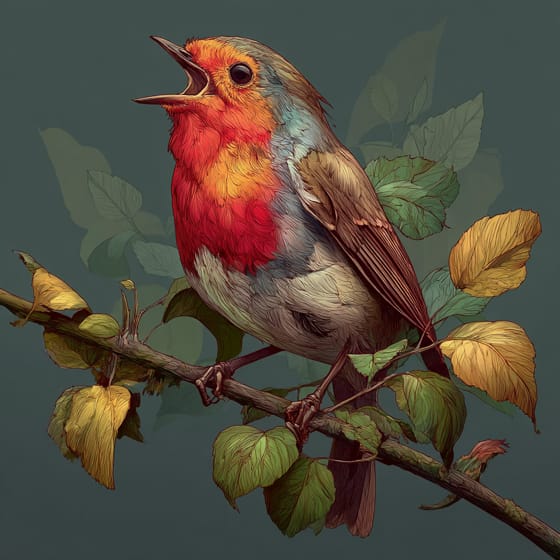
Turdus migratorius
Uses moss as soft, insulating material for its nests.
Pardosa amentata
Hunts insects and hides among the moss stems.
This trait characterizes plants lacking specialized vascular tissues (xylem and phloem) for transporting water and nutrients.
Shade tolerant plants are adapted to grow and thrive in areas with low light levels, requiring less direct sunlight.
Spore-producing organisms reproduce by releasing small, often single-celled, reproductive units called spores.
Describes a relationship between two different species where they live in close association, often benefiting one or both.

This trait signifies organisms belonging to a very old evolutionary group with ancestors dating back millions of years.

Describes organisms that break down dead organic material, recycling nutrients back into the ecosystem.

Forest habitats are terrestrial environments dominated by dense tree cover, supporting a high diversity of plant and animal life.
No aliases listed yet.
Danger
1/5 · Very low
It's safe to touch moss, but remember to be gentle and not pull it out of the ground.
The easiest way to identify juniper haircap moss is to use the Snappit nature identifier app.
2-15 cm
5-30 cm
No
None
Perennial
Forests
Zoom in to split clusters and explore where this object has been snapped.

California, US
You might spot Broad-Leaved Stonecrop and Pacific Bleeding Heart.
View guide →

British Columbia, CA
You might spot Sitka Valerian, Leafy Aster, and Pearly Everlasting.
View guide →
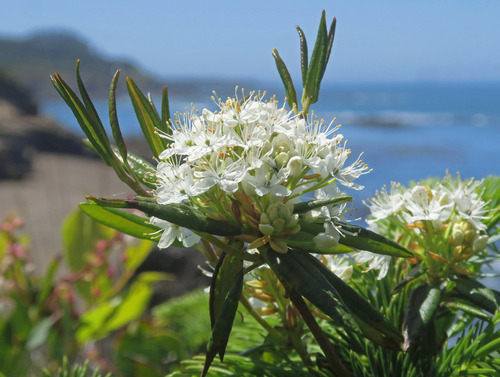
British Columbia, CA
You might spot Western Labrador Tea and Grouse Whortleberry.
View guide →
Take the discovery with you
Snap it with Snappit to identify it, learn what makes it special, and add the discovery to your collection.








.jpg&width=800)



_001.jpg&width=800)



