





common juniper
Juniperus communis
The common juniper is a small shrub with needle-like leaves and blue berries. It grows in many places and is great for wildlife, providing food and shelter.
Habitat: Grasslands
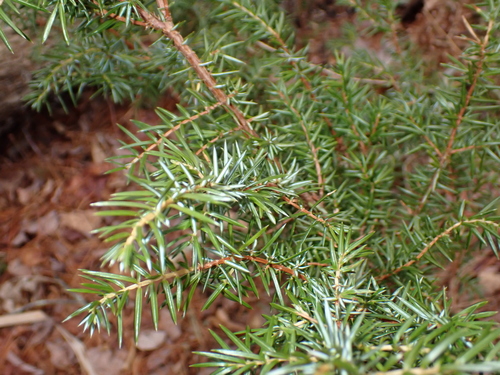
The common juniper is a coniferous shrub with stiff, pointed, needle-like leaves, typically arranged in whorls of three. Its 'berries' are actually small, round, fleshy cones that ripen to a distinctive blue-black color, often with a powdery white coating. It can vary from a low, spreading bush to an upright, slender tree, making it visually distinct from other conifers.
Category
PlantsRarity
Common
Danger
1/5 · Very low
Snaps
19
Its 'berries' are actually mini cones that take two whole years to fully ripen!
Juniper is famous for giving gin its unique, piney flavour!
Some juniper plants can live for over 1,000 years, making them ancient living witnesses!
This tough plant is one of the most widespread conifers in the Northern Hemisphere!
Common juniper keeps its tough, waxy needles all year, which helps it perform photosynthesis even in winter when other plants lose their leaves.
Common juniper's sharp, pointed needles can deter hungry animals from nibbling its foliage, protecting it from being eaten.
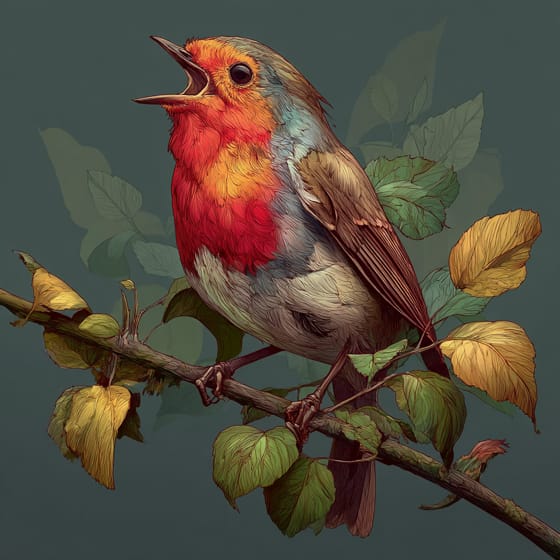
Turdus migratorius
Eats its fleshy cones (berries) for food.

Gymnosporangium juniperi-virginianae
A fungus that needs juniper to complete its life cycle.
.JPG&width=800)
Sylvilagus floridanus
Provides dense cover for rabbits to hide from predators.

Odocoileus virginianus
Browses its foliage, especially during winter months.
Aromatic plants produce and emit fragrant volatile organic compounds, often for defense or to attract pollinators.
A shrub is a woody plant smaller than a tree, typically with multiple stems branching from or near the ground.
Coniferous plants are typically evergreen, bearing needles or scales and reproductive cones.
Evergreen plants retain their foliage throughout the year, never shedding all their leaves at once.

Fruit-bearing plants produce fruits, which are the mature ovaries of flowering plants containing seeds.

Drought-tolerant plants can survive and flourish in conditions with limited water availability.

Edible plants are those parts of a plant that are considered safe for human consumption.

Grassland habitats are terrestrial biomes dominated by grasses and herbaceous plants, supporting a variety of grazing animals.

Describes plants that are particularly attractive and beneficial to a wide range of pollinating organisms.

This trait characterizes organisms with an exceptionally long lifespan compared to others of their kind.

Describes a species whose presence and role have a disproportionately large effect on its environment.
No aliases listed yet.
Danger
1/5 · Very low
Don't eat the berries without asking an adult first, as some berries can be tricky.
The easiest way to identify common juniper is to use the Snappit nature identifier app.
50-500 cm
100-400 cm
Spring
Yes
Mild
Perennial
Wind
Zoom in to split clusters and explore where this object has been snapped.
Jan 14, 2026
Stony Brook Wildlife SanctuaryPhoto attribution
(c) John Baur, some rights reserved (CC BY)
License: CC BY 4.0 ↗
Image may be shown cropped inside the card frame.

Utah, US
You might spot Common Golden-Mantled Ground Squirrel and Steller's Jay.
View guide →

Utah, US
You might spot Common Golden-Mantled Ground Squirrel and Steller's Jay.
View guide →

Michigan, US
You might spot Bladder Campion, Bearberry, and Common Milkweed.
View guide →

Colorado, US
You might spot Rocky Mountain Marsh-Marigold and American Bistort.
View guide →

Wyoming, US
You might spot Moose, Uinta Ground Squirrel, and American Bison.
View guide →

Wyoming, US
You might spot Moose, Arrowleaf Balsamroot, and Black Bear.
View guide →
Take the discovery with you
Snap it with Snappit to identify it, learn what makes it special, and add the discovery to your collection.









.jpg&width=800)



_001.jpg&width=800)

