





Indian Runner Duck
Anas platyrhynchos f. domestica
The Indian Runner Duck is a fun and friendly bird known for its unique upright posture and playful personality. They are great at foraging and love to waddle around looking for tasty treats!
Habitat: Urban areas, farms
The Indian Runner Duck has a distinctive upright, bottle-shaped body, standing almost vertically on long legs rather than waddling. Its slender neck and erect posture make it look more like a penguin than a typical duck, appearing in various colors like fawn-and-white, black, or blue.
Category
BirdsRarity
Common
Danger
1/5 · Very low
Snaps
Be the first to snap!
Runner ducks are known for being very active and social farm birds.
These ducks walk so upright, they look like wine bottles with legs!
They originated in Southeast Asia, dating back over 2,000 years!
Unlike most ducks, they prefer to run rather than fly or waddle.
Indian Runner Duck can lay up to 300 eggs a year, helping them provide food for humans and perpetuate their breed.
Indian Runner Duck has long legs and an erect posture that helps them run quickly across land instead of waddling.
Indian Runner Duck can diligently forage for slugs and insects, helping them keep gardens naturally free of pests.
These ducks enjoy a varied diet of plants, insects, and grains found by foraging.
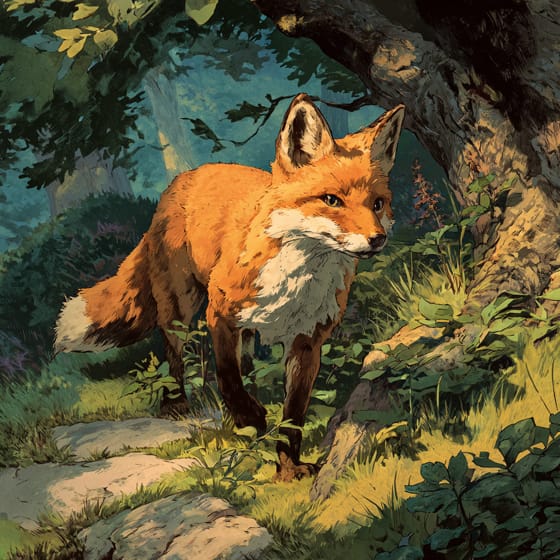
Vulpes vulpes
A common predator on farms and in rural areas.
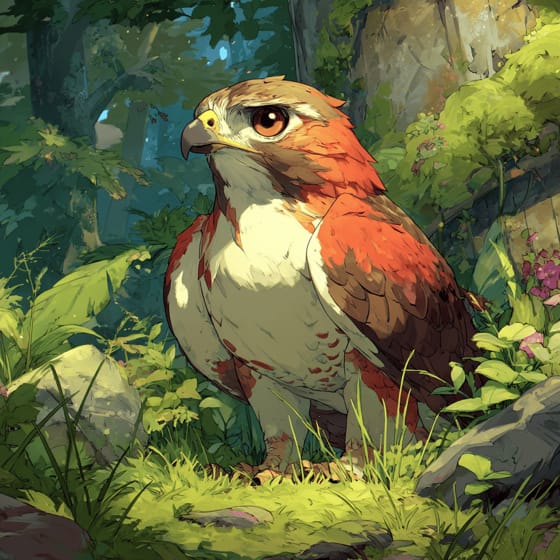
Buteo jamaicensis
Large raptors can prey on smaller ducks and ducklings.
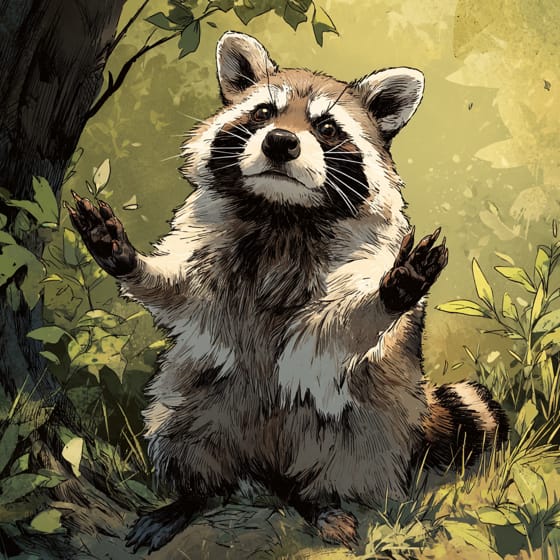
Procyon lotor
Nocturnal mammal known for preying on poultry and eggs.

Arion ater
Ducks help control garden pests like slugs.
Lumbricus terrestris
Earthworms are a common food source for foraging ducks.
Feathered describes animals, primarily birds, possessing a covering of feathers.
Characterized by having toes connected by a membrane, typically aiding in swimming.
Social animals live in organized groups, cooperating for survival benefits such as foraging, defense, and raising offspring.
This trait identifies organisms whose diet includes both plant and animal matter.

Colorful describes organisms or objects displaying a wide range of bright and distinct colors.

Diurnal animals are primarily active during daylight hours, typically resting or sleeping at night.

This trait identifies organisms that exhibit exceptional swiftness in movement for hunting, escape, or travel.

Aquatic habitats encompass environments where organisms live predominantly in water, including oceans, rivers, lakes, and wetlands.

This habitat trait indicates species that can coexist with humans in urban and suburban environments, utilizing man-made structures and green spaces.
Danger
1/5 · Very low
Always watch ducks from a distance and don't try to catch them.
The easiest way to identify Indian Runner Duck is to use the Snappit nature identifier app.
60-80 cm
60-75 cm
1.5-2.5 kg
8-12 years
15 km/h
These ducks enjoy a varied diet of plants, insects, and grains found by foraging.
Urban areas, farms
Zoom in to split clusters and explore where this object has been snapped.
Recent snaps will appear here as new observations are added.
Take the discovery with you
Snap it with Snappit to identify it, learn what makes it special, and add the discovery to your collection.




.jpg&width=800)








