





Indian tobacco
Lobelia inflata
Indian tobacco is a special plant with beautiful blue flowers. It grows in fields and has a unique shape that makes it stand out in nature. Some people use it for medicine, but it’s important to be careful with it!
Habitat: Grasslands
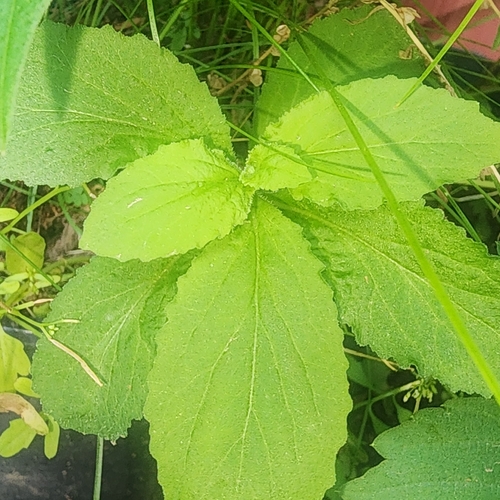
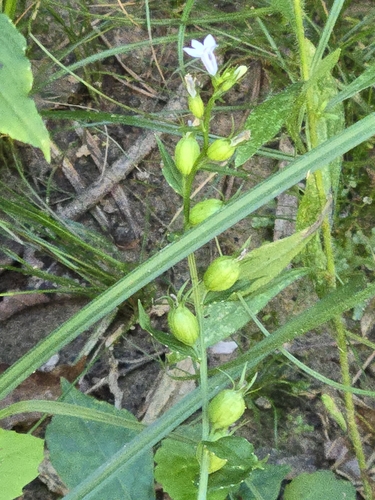
The Indian tobacco has a slender, upright stem covered in fine hairs, reaching up to three feet tall. It features small, pale blue to violet-white flowers that grow in a leafy spike, and distinctive inflated, round seed capsules after blooming.
Category
PlantsRarity
Common
Danger
3/5 · Moderate
Snaps
3
Its name "Indian tobacco" comes from Native Americans who used its leaves in ceremonies.
Its tiny flowers are so small, you'd need to look closely to see their delicate beauty!
Some people call it "pukeweed" because eating it can make you feel very sick!
The plant contains a chemical called lobeline, which is similar to nicotine in tobacco plants!
Indian tobacco has unique inflated seed capsules that help its tiny seeds travel further when wind blows them away.
Indian tobacco can produce a special chemical called lobeline that makes it taste bad to most animals, keeping them safe.
Indian tobacco has fine, sticky hairs all over its stem and leaves, which can deter small insects from crawling on it.
Apis mellifera
These busy bees collect nectar and pollen from its tiny flowers.

Bombus impatiens
Bumblebees are important visitors, helping spread its pollen.
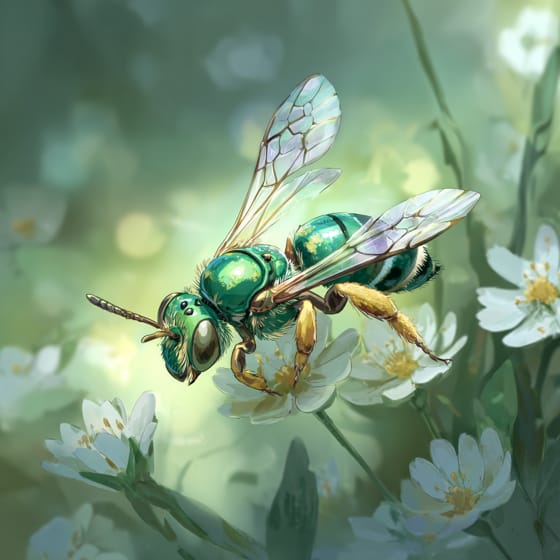
Halictus ligatus
Smaller sweat bees also contribute to the plant's pollination.
Flowering plants are any plants that produce flowers as part of their reproductive cycle.
Biennial plants complete their life cycle over two growing seasons, typically forming foliage in the first year and flowering/seeding in the second.
A tube flower has petals fused together at the base, forming a distinct tubular structure that typically holds nectar deep within.
Fragrant flowers emit a pleasant aroma, often to attract pollinators or for defense.

Medicinal plants possess chemical compounds that can be used for therapeutic purposes to treat illnesses or maintain health.

Colorful describes organisms or objects displaying a wide range of bright and distinct colors.

Grassland habitats are terrestrial biomes dominated by grasses and herbaceous plants, supporting a variety of grazing animals.

Describes plants that are particularly attractive and beneficial to a wide range of pollinating organisms.

Toxic organisms contain substances that are poisonous and can cause adverse effects upon exposure.
No aliases listed yet.
Danger
3/5 · Moderate
Do not touch or eat any plants without asking an adult first.
The easiest way to identify Indian tobacco is to use the Snappit nature identifier app.
30-90 cm
15-30 cm
0.5-1 cm
Summer to early Fall (July-October)
No
High
Annual
Zoom in to split clusters and explore where this object has been snapped.
Jun 10, 2026
Haym Salomon Memorial ParkPhoto attribution
(c) i_da_naturalist, some rights reserved (CC BY)
License: CC BY 4.0 ↗
Image may be shown cropped inside the card frame.
Aug 25, 2025
Owen–Putnam State ForestPhoto attribution
no rights reserved
License: CC0 1.0 ↗
Image may be shown cropped inside the card frame.
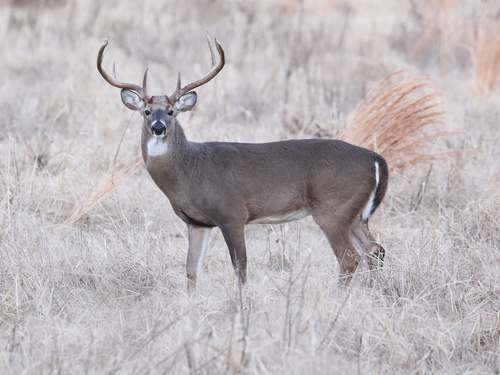
Pennsylvania, US
You might spot White-Tailed Deer, Eastern Bluebird, and Northern Cardinal.
View guide →

New Hampshire, US
You might spot Creek Chub, Eastern Newt, and Moose.
View guide →
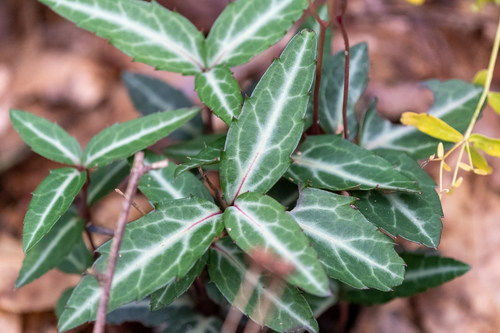
Indiana, US
You might spot Striped Wintergreen and Pointed-Leaved Tick-Trefoil.
View guide →
Take the discovery with you
Snap it with Snappit to identify it, learn what makes it special, and add the discovery to your collection.








.jpg&width=800)


_001.jpg&width=800)




