Island Apple Snail
pomacea maculata
The Island Apple Snail is a colorful creature that loves to float in fresh water! Its big, round shell can be a fun sight to see in ponds and swamps.
Habitat: They live in freshwater environments like ponds, marshes, and swamps.
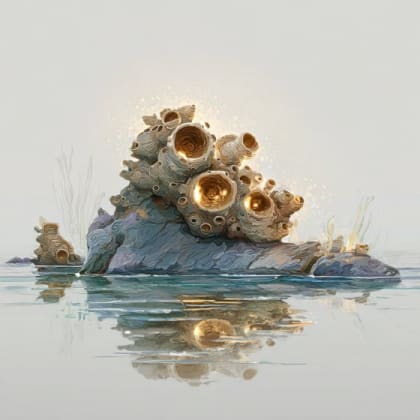
The Island Apple Snail has a large, rounded shell, typically olive to golden brown, often with darker spiral bands. Its most distinct feature is the bright pink, red, or orange egg clutches it lays above water.
Category
InvertebrateRarity
Common
Danger
1/5 · Very low
Snaps
Be the first to snap!
A hard 'trapdoor' lets them seal their shell completely shut!
Their eggs are famously bright pink and contain a special neurotoxin!
These snails are champion plant eaters, often clearing entire aquatic plant beds!
This snail can breathe both air and water using special gills and a lung!
Island Apple Snail can use a long breathing tube because this helps them get air from the surface while submerged.
Island Apple Snail has a hard operculum that helps them seal their shell, protecting them from drying out or predators.
Island Apple Snail lays vibrant pink eggs above water, which helps protect them from being eaten by aquatic creatures.
They eat many aquatic plants and algae, helping to keep waterways clear.
Age differences: Young snails eat mostly algae; adults prefer larger aquatic plants.
Rostrhamus sociabilis
A bird whose diet is mainly apple snails.
Typha latifolia
Consumes the leaves and stems of this aquatic plant.
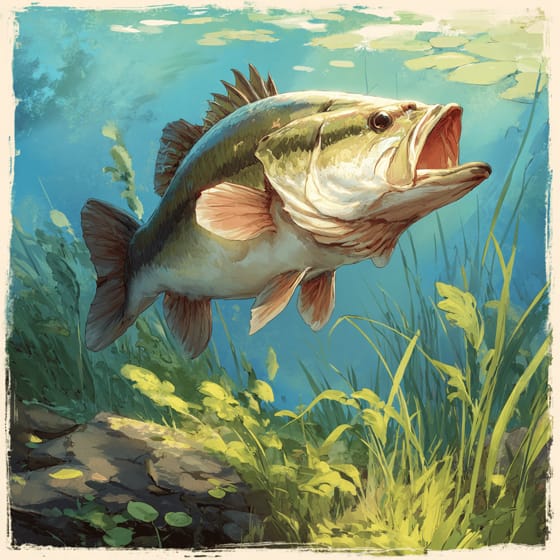
Micropterus salmoides
Predatory fish that eats snails and their eggs.
Solitary animals live alone for most of their lives, only interacting with others for mating or parental care.
Colorful describes organisms or objects displaying a wide range of bright and distinct colors.
Filter feeders obtain nutrients by straining suspended food particles and small organisms from water.
This trait characterizes organisms whose diet consists entirely or primarily of plant material.

Aquatic habitats encompass environments where organisms live predominantly in water, including oceans, rivers, lakes, and wetlands.
Danger
1/5 · Very low
No special safety notes yet.
The easiest way to identify Island Apple Snail is to use the Snappit nature identifier app.
10 cm
150 g
3 years
They eat many aquatic plants and algae, helping to keep waterways clear.
They live in freshwater environments like ponds, marshes, and swamps.
Grazing
1500
Zoom in to split clusters and explore where this object has been snapped.
Recent snaps will appear here as new observations are added.
Take the discovery with you
Snap it with Snappit to identify it, learn what makes it special, and add the discovery to your collection.