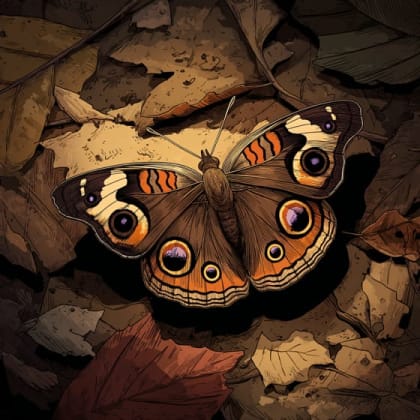





Common Buckeye

Nestled in the southwest corner of Georgia, where the Chattahoochee and Flint Rivers converge to form the expansive Lake Seminole, lies Seminole State Park—a true haven for nature enthusiasts.
Nestled in the southwest corner of Georgia, where the Chattahoochee and Flint Rivers converge to form the expansive Lake Seminole, lies Seminole State Park—a true haven for nature enthusiasts. This 604-acre park offers a serene escape, characterized by its unique longleaf pine and wiregrass ecosystem, making it one of Georgia's treasured natural environments. Visitors are drawn to the tranquil cove within the park, providing direct access to the 37,500-acre reservoir, known for its exceptional boating, fishing, and birdwatching opportunities.
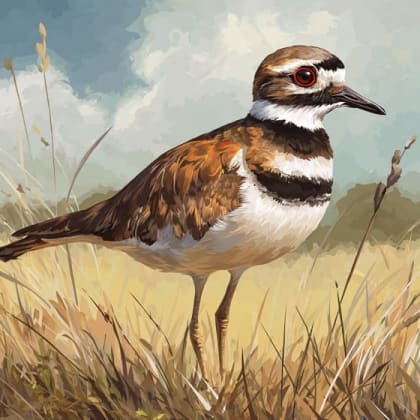
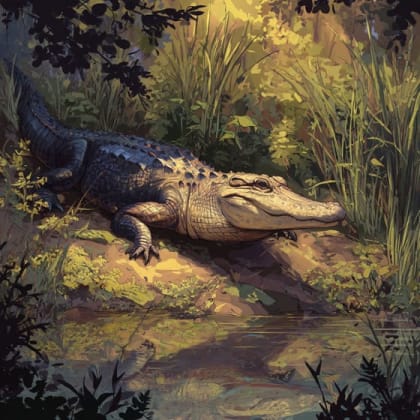
The park boasts a variety of habitats, supporting a rich diversity of wildlife. The Gopher Tortoise Nature Trail, a 2.2-mile path, winds through the significant longleaf pine forest, offering glimpses of the park's namesake, the gopher tortoise, along with other creatures like White-tailed Deer and Eastern Fox Squirrels. Birdwatchers will be delighted by the presence of species such as the Red-headed Woodpecker, Common Gallinule, Pied-billed Grebe, Red-shouldered Hawk, Eastern Bluebird, Limpkin, and even Bald Eagles and Osprey soaring above Lake Seminole. The lake itself teems with aquatic life, including the American white waterlily and the elusive American Alligator, often spotted sunbathing on the banks or floating quietly in the water.
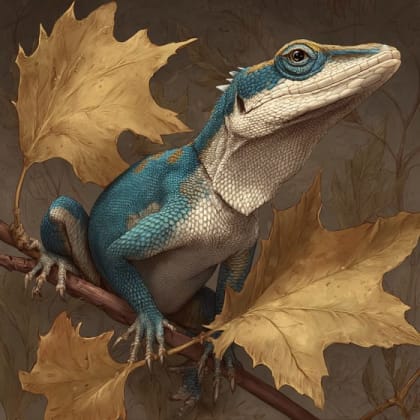
Seminole State Park is an ideal destination for those seeking both adventure and tranquility amidst Georgia's natural beauty. From exploring diverse plant life like the spurge nettle and prairie phlox to observing a wide array of wildlife, including Green Anoles, Coyote, Common Raccoons, and various treefrogs, every visit promises memorable encounters. The calm waters of the cove within the park are perfect for paddling and swimming, while the vast lake beyond offers endless possibilities for fishing and boating, ensuring a fulfilling experience for families and individuals alike. Take the ultimate field guide with you: use the Snappit app to identify birds, plants, and animals on your trip.
Lake Seminole itself is a man-made reservoir, created by the construction of the Jim Woodruff Lock and Dam in the 1940s and 1950s. This significant engineering project was authorized in 1946 and completed in 1952, with the lake opening in 1957. The dam effectively impounded the Chattahoochee and Flint Rivers, forming the 37,500-acre lake. The reservoir was established for navigation, hydroelectric power generation, and flood control, transforming the landscape and creating the diverse habitat seen today. Seminole State Park, encompassing 604 acres on the Georgia side of this expansive lake, preserves a remnant of the primitive longleaf wiregrass ecology that once dominated the region. The park sits in an area with a rich history, once home to Indigenous communities and later witnessing various historical events related to early American settlement and conflicts.
Hike the Gopher Tortoise Nature Trail to observe the unique ecosystem and resident gopher tortoises.
Go birdwatching for species like Red-headed Woodpeckers, Osprey, and Bald Eagles.
Enjoy fishing, boating, kayaking, or paddleboarding on Lake Seminole. Canoe and kayak rentals are available.
Relax on the sand swimming beach, especially enjoyable in warmer months.
Look for American Alligators along the water's edge.
Spring/Fall: Mild temperatures, good for hiking and observing spring blooms or fall foliage. Migratory birds pass through.
Summer: Hot and humid, excellent for swimming and water sports. Be aware of gnats, so bring repellent. Alligators are more active.
Winter: Cooler temperatures, ideal for birdwatching, especially for wintering waterfowl and Bald Eagles.
Seminole State Park offers accessible facilities including specific cabins, campsites, comfort stations, restrooms, picnic shelters, and docks. An All-Terrain Georgia Action Trackchair may also be available. The Gopher Tortoise Nature Trail is relatively flat, making it suitable for many visitors. Recent renovations have included repaved roads and updated, accessible bathrooms.
A 2.2-mile trail showcasing the longleaf pine forest and gopher tortoise burrows.
Opportunities for boating, fishing, and swimming from the park's cove and sandy beach.
Abundant opportunities to see birds, alligators, deer, and other animals.
A family-friendly activity available at the park.
Each card links to a full Explore page with photos, traits, and fun facts.
Start with the big picture, then zoom in to explore individual wildlife observations around this place.
Bring bug repellent
Especially during warmer months, gnats can be plentiful.
Pack binoculars and a camera
Essential for birdwatching and capturing wildlife, including Bald Eagles, Osprey, and American Alligators.
Explore the Gopher Tortoise Nature Trail: This 2.2-mile trail is a key spot for viewing gopher tortoises and experiencing the longleaf pine ecosystem.
Visit during off-peak times for quieter wildlife viewing: Early mornings and late afternoons are often best for spotting active animals.
Utilize the calm cove
The park's cove offers smoother waters ideal for kayaking, canoeing, and swimming, away from the main lake's boat traffic.
Be alligator aware
While exciting to see, maintain a safe distance from American Alligators and do not feed them.
Apr 28, 2025
Apr 28, 2025
Apr 28, 2025
Nov 29, 2024
Nov 29, 2024

Maryland, US
You might spot White-Tailed Deer and Eastern Gray Squirrel.
View guide →
.jpg)
District of Columbia, US
You might spot Eastern Gray Squirrel, Duck, and House Sparrow.
View guide →

Illinois, US
You might spot American Robin, Canada Goose, and House Sparrow.
View guide →

Virginia, US
You might spot Spotted Lanternfly and Northern Cardinal.
View guide →
Take the discovery with you
Identify the wildlife you spot, learn as you go, and keep a collection of the adventure.