





island fox
Urocyon littoralis
The island fox is a small, cute fox found only on six of California's Channel Islands. They have big ears and a fluffy tail, making them look adorable and very special!
Habitat: Coastal areas
The island fox is the smallest fox in North America, with a grizzled grayish-brown coat and striking reddish-orange sides. It has a white throat, belly, and inner ears, contrasted by a distinctive black stripe and tip on its tail.
Category
MammalsRarity
Rare
Danger
2/5 · Low
Snaps
Be the first to snap!
Each fox often has a specific den site it uses for many years!
Island foxes are only found on six of California's Channel Islands!
Their ancestors floated to these islands thousands of years ago!
They communicate using barks, growls, and even tail positions!
Island fox can climb trees easily thanks to semi-retractable claws that help them find food or escape danger.
Island fox has evolved to be much smaller than mainland foxes because this helps them thrive with fewer resources on islands.
Island fox can hunt effectively in low light using excellent night vision that helps them find prey after sunset.
Island foxes are omnivores, eating fruits, insects, small mammals, and birds found on their island homes.
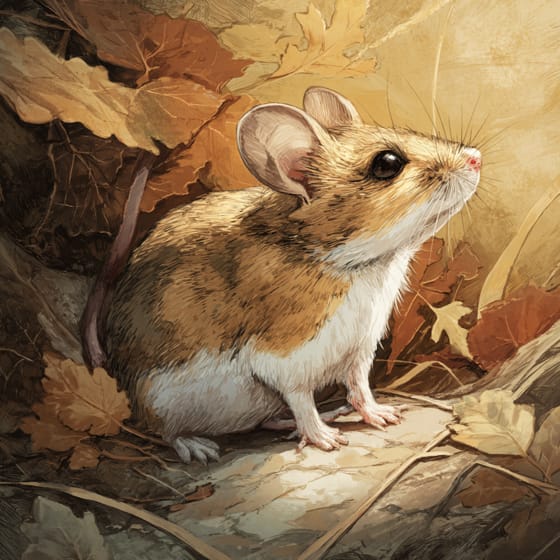
Peromyscus maniculatus
Primary food source for the island fox.
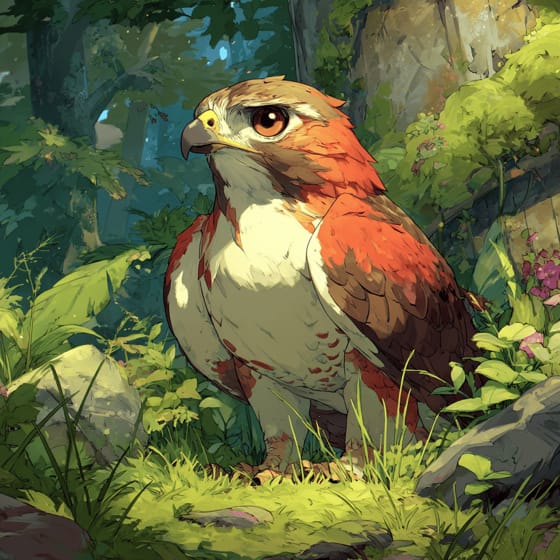
Buteo jamaicensis
A major aerial predator of young island foxes.
Arctostaphylos insularis
Foxes consume its berries as a key food source.

Rattus rattus
An introduced species that island foxes sometimes prey on.
Furry describes animals possessing a dense covering of soft hair or fur.
Solitary animals live alone for most of their lives, only interacting with others for mating or parental care.
This trait identifies organisms whose diet includes both plant and animal matter.
Arboreal animals live primarily in trees, utilizing them for shelter, food, and protection from predators.

Coastal habitats are dynamic environments located along the interface between land and sea, influenced by tides, waves, and saltwater.

This trait identifies organisms that exhibit exceptional swiftness in movement for hunting, escape, or travel.

Endangered status indicates a species is at a very high risk of extinction in the wild in the near future.
Danger
2/5 · Low
If you see a fox, enjoy watching it from a distance and do not try to touch it.
The easiest way to identify island fox is to use the Snappit nature identifier app.
59-79 cm
1.3-2.8 kg
4-6 years
25 km/h
Island foxes are omnivores, eating fruits, insects, small mammals, and birds found on their island homes.
Coastal areas
Foraging and Pursuit
Zoom in to split clusters and explore where this object has been snapped.
Recent snaps will appear here as new observations are added.
Take the discovery with you
Snap it with Snappit to identify it, learn what makes it special, and add the discovery to your collection.




.jpg&width=800)




.JPG&width=800)



.jpg&width=800)
