





Italian Tree Frog
Hyla intermedia
The Italian Tree Frog is a small, green frog that loves to climb trees and bushes. They are great at jumping and can be found near water, especially in warm weather.
Habitat: Wetlands
The Italian Tree Frog has vibrant green or brownish-grey smooth skin, with a distinctive dark stripe running from its nostril through the eye to its flank. Its belly is white or yellowish, and its toes have sticky pads.
Category
AmphibiansRarity
Common
Danger
1/5 · Very low
Snaps
Be the first to snap!
Males have a special vocal sac under their chin to amplify their mating calls!
These tiny frogs hibernate in winter, burying themselves in mud or under rocks!
They start their lives as tiny tadpoles, swimming and breathing underwater with gills!
Tree frogs are bio-indicators; their presence shows a healthy, clean environment!
Italian Tree Frogs can change their skin color from bright green to brownish-grey, which helps them hide from predators and sneak up on prey.
Italian Tree Frogs have special sticky toe pads, allowing them to cling to smooth leaves and branches, helping them climb high.
Italian Tree Frogs can pull their eyeballs down into their head, which helps push food further down their throat when swallowing.
These small predators snack on various tiny insects and spiders found near water and in vegetation.
Age differences: Tadpoles eat algae and detritus, while adults are insectivores.
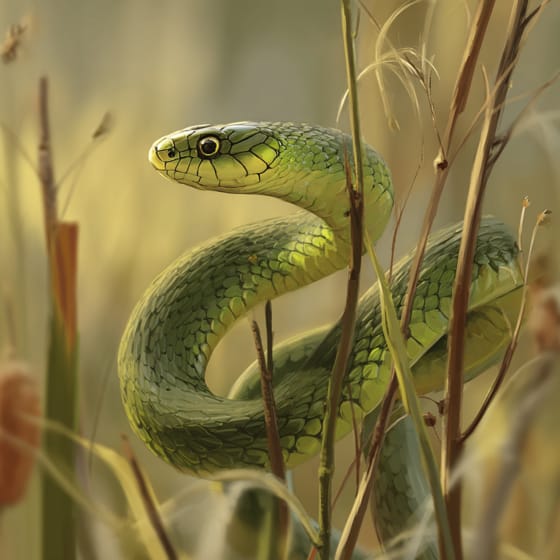
Natrix natrix
A common snake predator in its habitat.
.jpg&width=800)
Ardea cinerea
Wading bird that preys on amphibians near water.
Musca domestica
Common insect prey caught with a sticky tongue.
Culex pipiens
Eats larvae and adults, helping control populations.
Arboreal animals live primarily in trees, utilizing them for shelter, food, and protection from predators.
Camouflaged describes organisms that possess coloring or patterns that allow them to blend into their environment.
Colorful describes organisms or objects displaying a wide range of bright and distinct colors.
This trait identifies organisms whose diet primarily consists of insects and other small invertebrates.

This habitat trait identifies species found in wetlands, which are areas of land saturated with water, either permanently or seasonally, including marshes, swamps, and bogs.

Describes a species whose presence and role have a disproportionately large effect on its environment.

Nocturnal animals are primarily active during the nighttime hours, typically resting or sleeping during the day.

Describes organisms that transfer pollen, enabling the fertilization and reproduction of plants.
No aliases listed yet.
Danger
1/5 · Very low
Always wash your hands after touching frogs, and don't pick them up unless an adult says it's okay.
The easiest way to identify Italian Tree Frog is to use the Snappit nature identifier app.
3.5-5 cm
0.003-0.008 kg
5-10 years
0.5 km/h
These small predators snack on various tiny insects and spiders found near water and in vegetation.
Wetlands
Ambush
Zoom in to split clusters and explore where this object has been snapped.
Recent snaps will appear here as new observations are added.
Take the discovery with you
Snap it with Snappit to identify it, learn what makes it special, and add the discovery to your collection.







.JPG&width=800)


.jpg&width=800)
