





Japanese holly
Ilex crenata
Japanese holly is a small, evergreen shrub with shiny green leaves. It can grow in gardens and parks, making them look beautiful all year round!
Habitat: Urban areas
The Japanese holly is a dense evergreen shrub with tiny, oval, spineless leaves that are glossy dark green. It produces small, inconspicuous greenish-white flowers, followed by an abundance of small, round, black berries, making it look quite different from traditional prickly hollies.
Category
PlantsRarity
Common
Danger
2/5 · Low
Snaps
2
Even though it's called 'holly', its leaves are smooth, not prickly!
It's a master of disguise, often mistaken for a boxwood plant!
Its dark berries look like tiny black pearls hidden among the leaves!
Some types of Japanese holly only grow a few inches tall!
Japanese holly can keep its green leaves all winter long, helping it collect sunlight and stay vibrant when other plants are bare.
Japanese holly has strong branches and tiny leaves that let it be pruned into fun shapes, helping it fit perfectly in any garden.
Japanese holly has many small black berries that provide an important food source for birds, helping them find snacks in cold months.
Apis mellifera
Collects nectar and pollen
Turdus obscurus
Eats the plant's small berries
Bombycilla japonica
Feeds on the plant's berries
Ornamental plants are cultivated primarily for their aesthetic appeal, enhancing landscapes and gardens with their attractive foliage, flowers, or form.
Shade tolerant plants are adapted to grow and thrive in areas with low light levels, requiring less direct sunlight.
A shrub is a woody plant smaller than a tree, typically with multiple stems branching from or near the ground.
Evergreen plants retain their foliage throughout the year, never shedding all their leaves at once.

Fruit-bearing plants produce fruits, which are the mature ovaries of flowering plants containing seeds.

This habitat trait indicates species that can coexist with humans in urban and suburban environments, utilizing man-made structures and green spaces.
No aliases listed yet.
Danger
2/5 · Low
Always wash your hands after touching plants, and don't eat any berries without asking an adult.
The easiest way to identify Japanese holly is to use the Snappit nature identifier app.
100-300 cm
100-250 cm
0.3-0.5 cm
Late spring to early summer
No
Mild
Perennial
Zoom in to split clusters and explore where this object has been snapped.

New York, US
You might spot Common Eastern Bumble Bee and American Robin.
View guide →

Georgia, US
You might spot Eastern Gray Squirrel, Domestic Cat, and American Robin.
View guide →

Georgia, US
You might spot Eastern Gray Squirrel, Domestic Cat, and Asian Lady Beetle.
View guide →
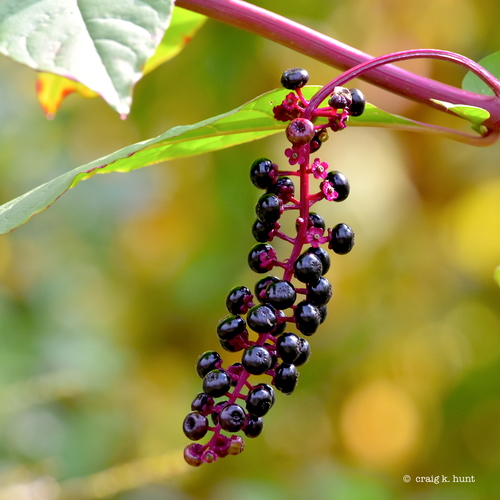
Maryland, US
You might spot American Pokeweed, Goldenrods, and Common Hackberry.
View guide →
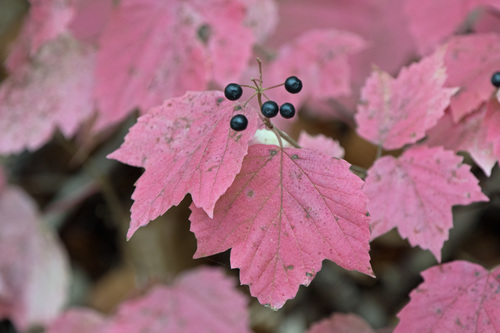
Virginia, US
You might spot Mapleleaf Viburnum, Japanese Holly, and Common Bonnet.
View guide →
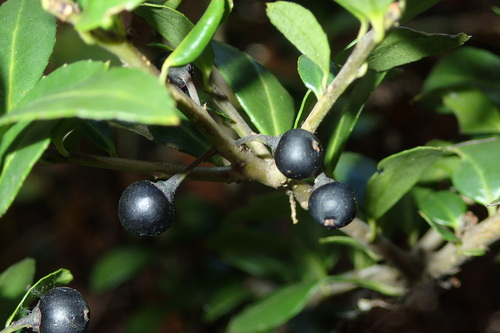
Virginia, US
You might spot Japanese Holly, Asian Jumpseed, and Violets.
View guide →
Take the discovery with you
Snap it with Snappit to identify it, learn what makes it special, and add the discovery to your collection.









.jpg&width=800)



_001.jpg&width=800)


