





balloonplant
Gomphocarpus physocarpus
The balloon plant is a fun and unique plant that has big, round seed pods that look like balloons! It grows tall and can be found in sunny places, making it a cheerful addition to gardens.
Habitat: Grasslands
The balloonplant has distinctive, pale green, bladder-like seed pods that resemble inflated balloons. Its stems are upright, bearing narrow, lance-shaped green leaves and clusters of small, white to cream flowers with a purplish center.
Category
PlantsRarity
Common
Danger
1/5 · Very low
Snaps
3
In some places, people call it "Hairy Balls" due to the fuzzy texture of its pods!
Its scientific name, physocarpus, means "bladder-fruit" because of its puffy pods!
The 'balloons' are actually seed pods and can grow larger than a golf ball!
The balloonplant is related to milkweeds, a favorite food of Monarch butterflies!
Balloonplant produces a milky white sap containing toxins, which deters most herbivores from munching on its leaves and stems.
Balloonplant provides food for Monarch butterfly caterpillars, who eat its leaves and absorb its toxins for their own defense.
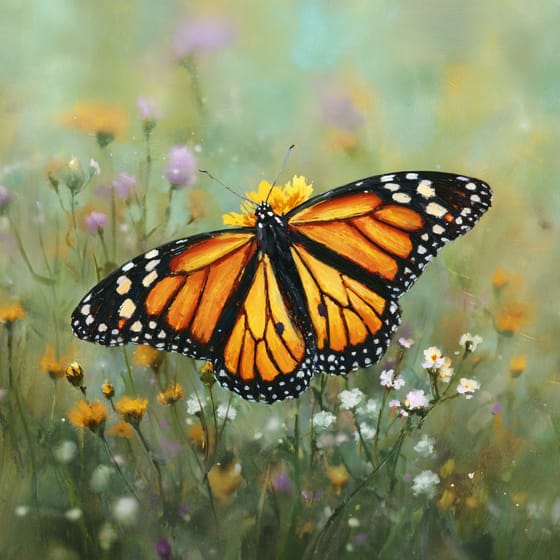
Danaus plexippus
Caterpillars feed on leaves, absorbing toxins for defense.
Apis mellifera
Visits flowers for nectar, aiding in plant reproduction.
Lygaeus equestris
Feeds on seeds and sap of milkweeds, including balloonplant.
Flowering plants are any plants that produce flowers as part of their reproductive cycle.
A shrub is a woody plant smaller than a tree, typically with multiple stems branching from or near the ground.
Summer blooming plants produce their flowers during the summer season, often providing vibrant color when many other plants have finished.
Evergreen plants retain their foliage throughout the year, never shedding all their leaves at once.

Grassland habitats are terrestrial biomes dominated by grasses and herbaceous plants, supporting a variety of grazing animals.

Describes plants that are particularly attractive and beneficial to a wide range of pollinating organisms.
Danger
1/5 · Very low
Always wash your hands after touching plants, just to be safe!
The easiest way to identify balloonplant is to use the Snappit nature identifier app.
100-200 cm
50-100 cm
1-2 cm
Summer to Fall
No
Mild
Perennial
Zoom in to split clusters and explore where this object has been snapped.

Hawaii, US
You might spot 'āhinahina, Jackson's Chameleon, and Sea Turtle.
View guide →

Florida, US
You might spot Crested Anole, Brown Anole, and Green Iguana.
View guide →

Florida, US
You might spot Crested Anole, Brown Anole, and Green Iguana.
View guide →
Take the discovery with you
Snap it with Snappit to identify it, learn what makes it special, and add the discovery to your collection.








.jpg&width=800)



_001.jpg&width=800)



