American Robin

Explore historic Cedarmere-Clayton Estates, a tranquil blend of natural beauty and storied past.
Explore historic Cedarmere-Clayton Estates, a tranquil blend of natural beauty and storied past. Nestled in Roslyn Harbor, New York, this captivating site combines the ancestral home of renowned poet and editor William Cullen Bryant with the historic grounds now home to the Nassau County Museum of Art, offering visitors a unique journey through 19th-century American history and landscape design. It stands as a testament to the North Shore's rich heritage, inviting reflection amidst its picturesque setting.
The Cedarmere estate, the former home of William Cullen Bryant, spans seven acres and features carefully preserved gardens, a tranquil pond, a charming boathouse, and a distinctive Gothic Revival mill. Visitors can wander through the historic Boxwood Parterre Garden, originally designed by Bryant himself in the 1860s, and the peaceful Sunken Garden, laid out by his grandson. The grounds are also home to several notable trees, including New York State's largest American Holly and Kentucky Coffee Tree, and historic specimens like a Tulip Tree dating back to Bryant's era.
Visiting Cedarmere-Clayton Estates provides a serene escape and an enriching experience for anyone interested in American literature, landscape architecture, or simply a peaceful stroll through beautiful surroundings. The blend of historical structures, meticulously designed gardens, and scenic views of Hempstead Harbor creates a memorable backdrop for photography, quiet contemplation, and understanding the lives of influential figures. It's a treasured cultural and environmental landmark on Long Island, lovingly maintained for public enjoyment. Eager to name that creature? Identify any animal you find during your visit using the Snappit app.
Cedarmere, the core of the estates, was purchased in 1843 by William Cullen Bryant, a celebrated 19th-century American poet and editor of the New York Evening Post, who transformed an existing 1787 farmhouse into his country retreat. Bryant meticulously designed much of the estate's landscape, including its gardens and outbuildings, making it a reflection of his deep appreciation for nature. The property remained within his family until 1975, when it was bequeathed to Nassau County to be preserved for public enjoyment and educational purposes. The adjacent "Clayton" portion of the estates was originally a largely undeveloped inland section of Bryant's original property. It was acquired in 1893 by Lloyd Bryce, who commissioned Ogden Codman, Jr. to design a mansion. Later, in 1919, Henry Clay Frick purchased the estate for his son, Childs Frick, who further expanded and renovated it. This grand landscaped property is now home to the Nassau County Museum of Art, and together with Cedarmere, the two estates are jointly listed on the National Register of Historic Places, showcasing nearly a century of Long Island's estate development.
Walk the various trails and paths winding through the gardens and along the pond.
* Discover the many historic and notable trees planted across the estate.
* Engage in birdwatching, as the estate is known to be a habitat for various bird species.
* Enjoy a picnic amidst the tranquil scenery.
Spring brings vibrant blooms to the gardens, while autumn transforms the landscape with brilliant fall foliage. Even in winter, the bare trees offer a serene and quiet atmosphere.
The grounds of Cedarmere offer walking trails and paths. While specific details for universal wheelchair accessibility across all natural trails are not fully specified, the main house offers first-floor tours by reservation.
View the exterior of William Cullen Bryant's historic home. Guided interior tours of the first floor are available on specific days and times.
Admire this picturesque 1862 structure, where a waterwheel restoration has been planned or is underway.
Stroll through the Boxwood Parterre Garden and the Sunken Garden, showcasing 19th-century landscape design.
Enjoy the serene pond and its historic boathouse, a central feature of Bryant's designed landscape.
Each card links to a full Explore page with photos, traits, and fun facts.

















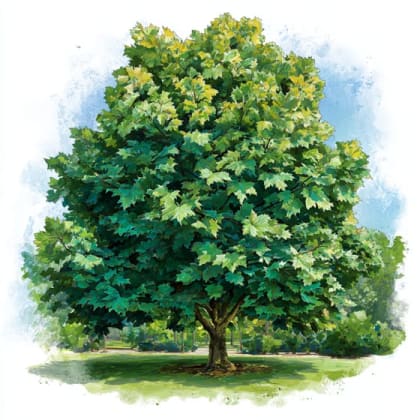



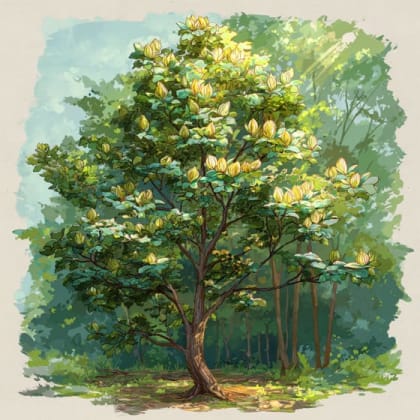






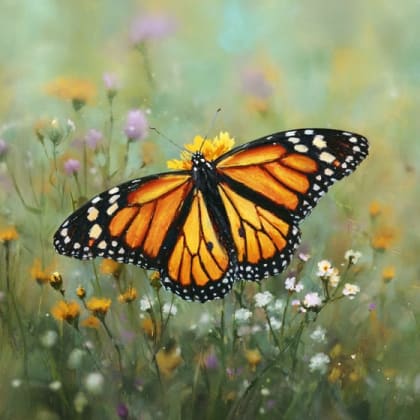






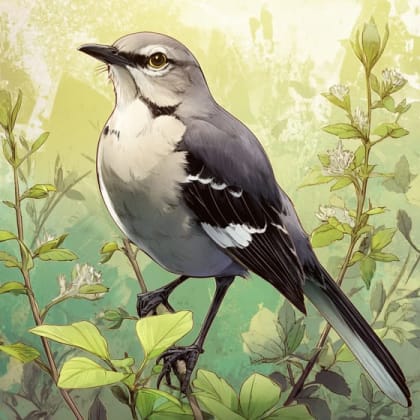



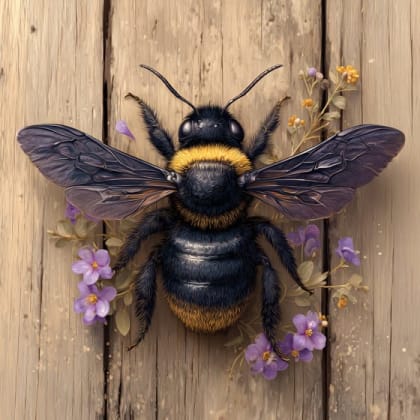





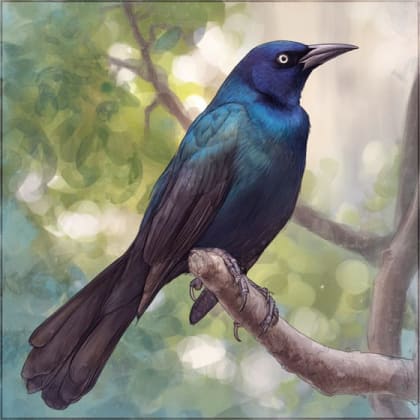







Start with the big picture, then zoom in to explore individual wildlife observations around this place.
Check Ahead
Always visit the Friends of Cedarmere website for up-to-date information on house tour schedules, operating hours, and any special events before your visit.
Wear Comfortable Shoes
The grounds feature walking trails and paths, so comfortable footwear is recommended for exploring the extensive gardens and natural areas.
Consider a Guided Tour
For a deeper understanding of the history and significance of Cedarmere, a guided house or garden tour is highly recommended.
Capture the Seasons
Plan multiple visits throughout the year to experience the estate's evolving natural beauty, from spring blossoms to vibrant fall foliage.
Pack a Picnic
Take advantage of the tranquil atmosphere by bringing a picnic to enjoy on the grounds, especially around the pond or in the gardens.
Utilize Parking
Free parking is available on-site, with a larger lot typically located north of the main house.
Jun 19, 2026
Jun 19, 2026
Jun 19, 2026
Jun 19, 2026
Jun 19, 2026

Maryland, US
You might spot White-Tailed Deer and Eastern Gray Squirrel.
View guide →
.jpg)
District of Columbia, US
You might spot Eastern Gray Squirrel, Duck, and House Sparrow.
View guide →

Illinois, US
You might spot American Robin, Canada Goose, and House Sparrow.
View guide →

Virginia, US
You might spot Spotted Lanternfly and Northern Cardinal.
View guide →
Take the discovery with you
Identify the wildlife you spot, learn as you go, and keep a collection of the adventure.