





mustang grape
Vitis mustangensis
The mustang grape is a wild grape that grows in warm places. Its juicy grapes are often used to make jelly and wine. These grapes can be a fun treat for animals and people alike!
Habitat: Woodlands and open areas
The mustang grape is a robust woody vine with large, heart-shaped leaves that often have a fuzzy, whitish underside. Its small, greenish flowers develop into clusters of dark purple to black berries, typically covered in a powdery, grayish bloom, giving them a frosted appearance.
Category
PlantsRarity
Common
Danger
1/5 · Very low
Snaps
1
Its extra-thick berry skin is why it makes such intense, flavorful jellies!
Some people believe the sap from its vine can be a refreshing, sweet drink!
The fuzzy underside of its leaves helps reflect sunlight, keeping the plant cool!
This tough vine can survive really dry places, even without much water!
Mustang grape has strong tendrils that help it grip onto other plants or structures, allowing it to climb high for sunlight.
Mustang grape berries have a thick, leathery skin that helps protect the fruit from pests and retain moisture in dry conditions.
Mustang grape has deep, extensive roots that allow it to access water during droughts and survive in poor soil conditions.
Didelphis virginiana
eats its ripe, dark berries

Procyon lotor
forages on its sweet-tart fruits
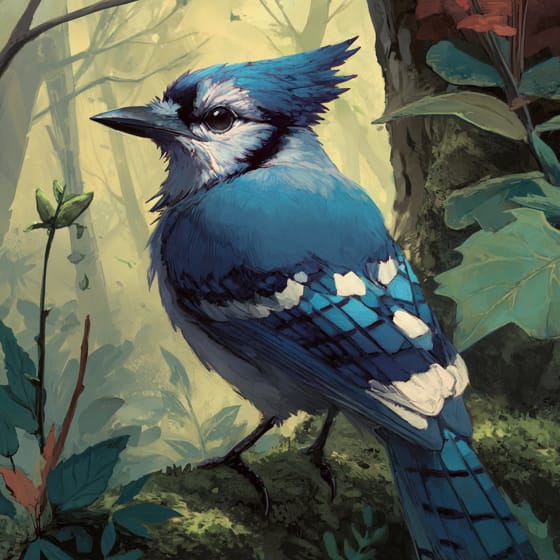
Cyanocitta cristata
builds nests within its dense vine growth
Apis mellifera
collects nectar and pollen from its small flowers
Meleagris gallopavo
forages for fallen berries in late summer
Deciduous plants periodically shed all their leaves, typically during autumn or dry seasons.
Fruit-bearing plants produce fruits, which are the mature ovaries of flowering plants containing seeds.
A fruit tree is a perennial tree that produces fruit, which is edible to humans or animals.
This human use trait describes species cultivated or domesticated by humans for agricultural purposes, including crops and livestock.

Edible plants are those parts of a plant that are considered safe for human consumption.

Grassland habitats are terrestrial biomes dominated by grasses and herbaceous plants, supporting a variety of grazing animals.

Describes plants that are particularly attractive and beneficial to a wide range of pollinating organisms.

Forest habitats are terrestrial environments dominated by dense tree cover, supporting a high diversity of plant and animal life.
No aliases listed yet.
Danger
1/5 · Very low
Always ask an adult before trying wild grapes to make sure they're safe to eat.
The easiest way to identify mustang grape is to use the Snappit nature identifier app.
300-1500 cm
100-500 cm
0.2-0.5 cm
Spring
Yes
Mild
Perennial
Zoom in to split clusters and explore where this object has been snapped.
Take the discovery with you
Snap it with Snappit to identify it, learn what makes it special, and add the discovery to your collection.








.jpg&width=800)



_001.jpg&width=800)



