





Japanese Persimmon
Diospyros kaki
The Japanese Persimmon is a sweet fruit tree that grows in warm places. Its bright orange fruits are tasty and can be eaten fresh or dried. The tree has beautiful leaves that turn yellow in the fall!
Habitat: Urban areas
The Japanese Persimmon is a medium-sized tree with a rounded crown and dark, furrowed bark. It has glossy, dark green leaves that turn vibrant shades of orange, red, and yellow in autumn. Its most striking feature is the large, round to conical, bright orange fruit that often hangs on the branches after the leaves have fallen.
Category
PlantsRarity
Common
Danger
1/5 · Very low
Snaps
Be the first to snap!
Dried persimmons, called hoshigaki, look like sugary, frosted jewels!
Some persimmons need a frost to become super sweet and soft!
The wood from this tree is very strong and sometimes used for golf clubs!
Unripe persimmons can make your mouth feel very fuzzy, it's a wild sensation!
Japanese Persimmon can produce tannins that make unripe fruit taste very bitter, protecting it from being eaten too early.
Its fruit can transform from super tart to wonderfully sweet as it ripens, sometimes needing a chill to finish.
Japanese Persimmon fruit ripens in autumn and often hangs on the tree into winter, providing a late food source.
Apis mellifera
Honey bees visit flowers to aid in fruit production.

Sciurus carolinensis
Squirrels enjoy eating the sweet, ripe persimmon fruit.
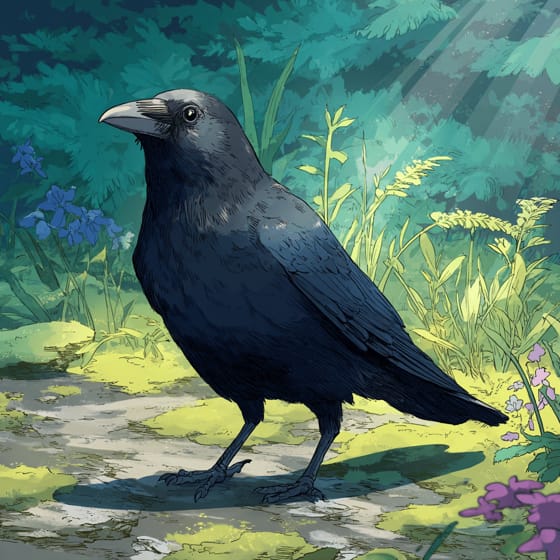
Corvus brachyrhynchos
Crows and other birds feed on the soft, fallen fruit.
Deciduous plants periodically shed all their leaves, typically during autumn or dry seasons.
Broadleaf trees are angiosperms characterized by flat, wide leaves that are typically shed annually in temperate climates.
Fruit-bearing plants produce fruits, which are the mature ovaries of flowering plants containing seeds.
A fruit tree is a perennial tree that produces fruit, which is edible to humans or animals.

Edible plants are those parts of a plant that are considered safe for human consumption.

Fall color refers to the seasonal change in foliage pigmentation, primarily in deciduous plants, displaying vibrant hues.

Rapid growing plants exhibit accelerated growth rates, quickly increasing in size and biomass within a short period.

This habitat trait indicates species that can coexist with humans in urban and suburban environments, utilizing man-made structures and green spaces.
Danger
1/5 · Very low
Always wash fruits before eating them to keep them clean and safe.
The easiest way to identify Japanese Persimmon is to use the Snappit nature identifier app.
600-900 cm
450-750 cm
1-2 cm
Late_spring
Yes
None
Perennial
Zoom in to split clusters and explore where this object has been snapped.
Recent snaps will appear here as new observations are added.
Take the discovery with you
Snap it with Snappit to identify it, learn what makes it special, and add the discovery to your collection.








.jpg&width=800)


_001.jpg&width=800)



